


 English
 中文简体
中文简体 русский
 Español
 عربى
عربىThe Unsung Hero of Industrial Power Efficiency
Defining Low Voltage Capacitors in Power Systems
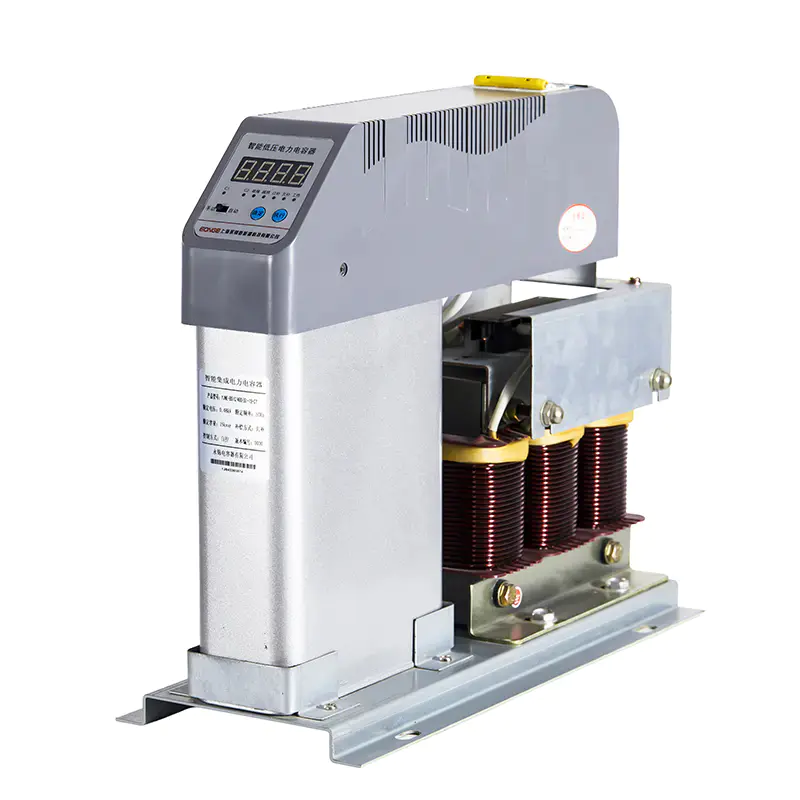
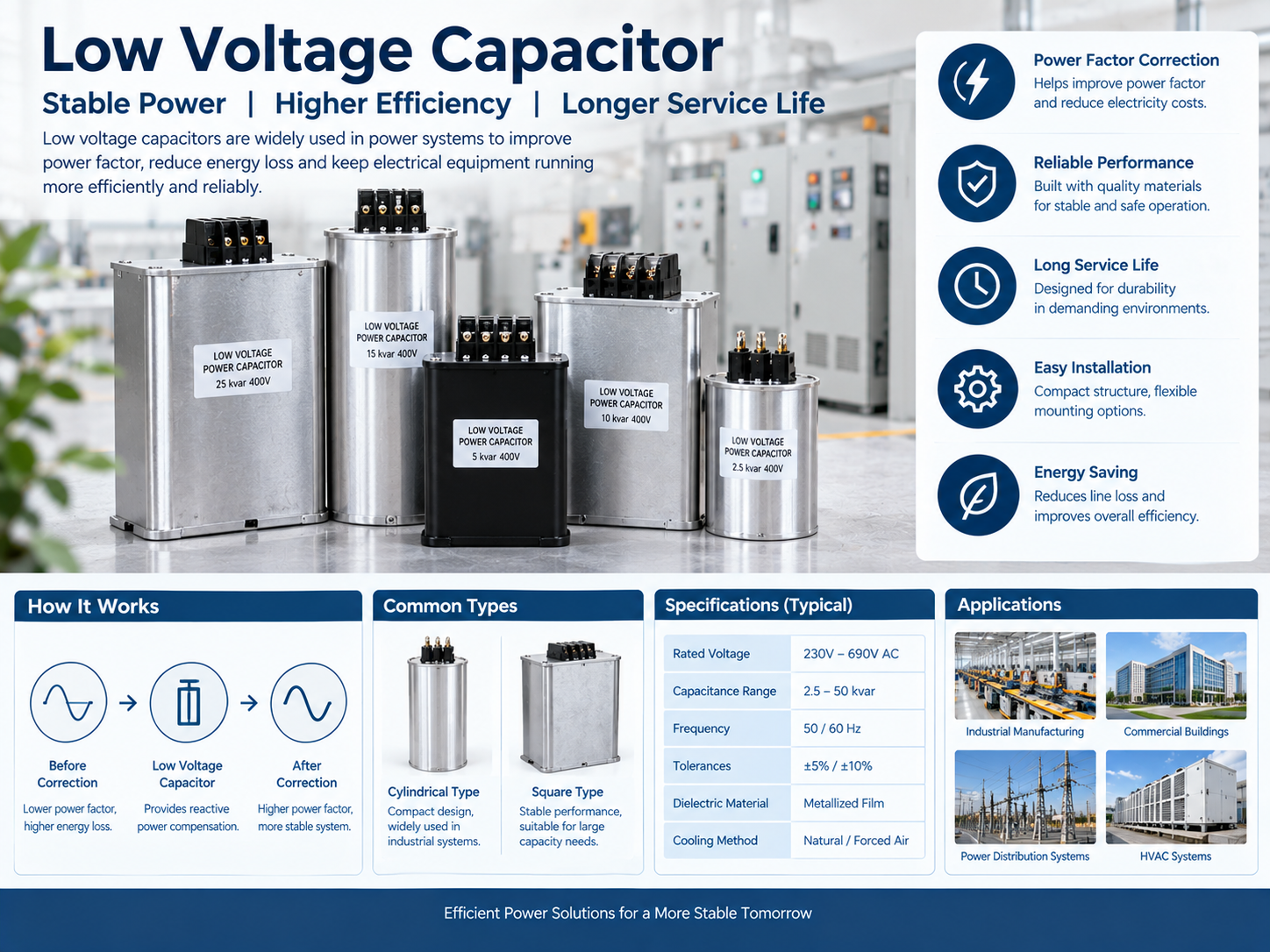
A low-voltage capacitor is an electrical component designed to store and release energy in systems operating below 1000 volts, typically ranging from 220V to 690V in industrial applications. Unlike their smaller counterparts used in electronic circuit boards, these power capacitors are substantial devices engineered to handle significant electrical loads. They serve as essential building blocks for power quality solutions, addressing issues like poor power factor, voltage fluctuations, and harmonic distortion that plague industrial and commercial electrical networks.
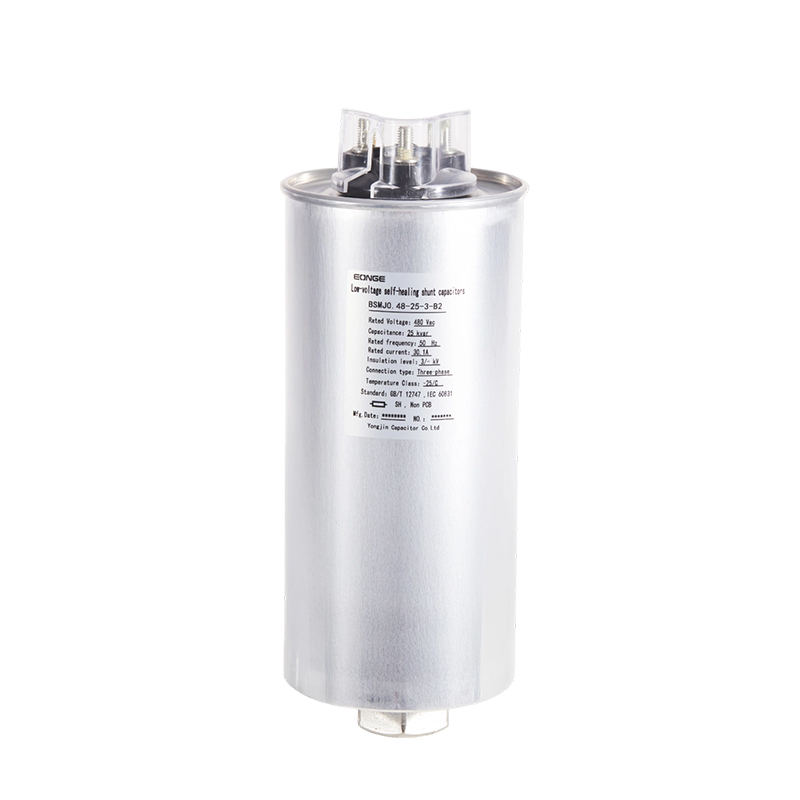
The Dual Nature of Low Voltage Capacitor Design
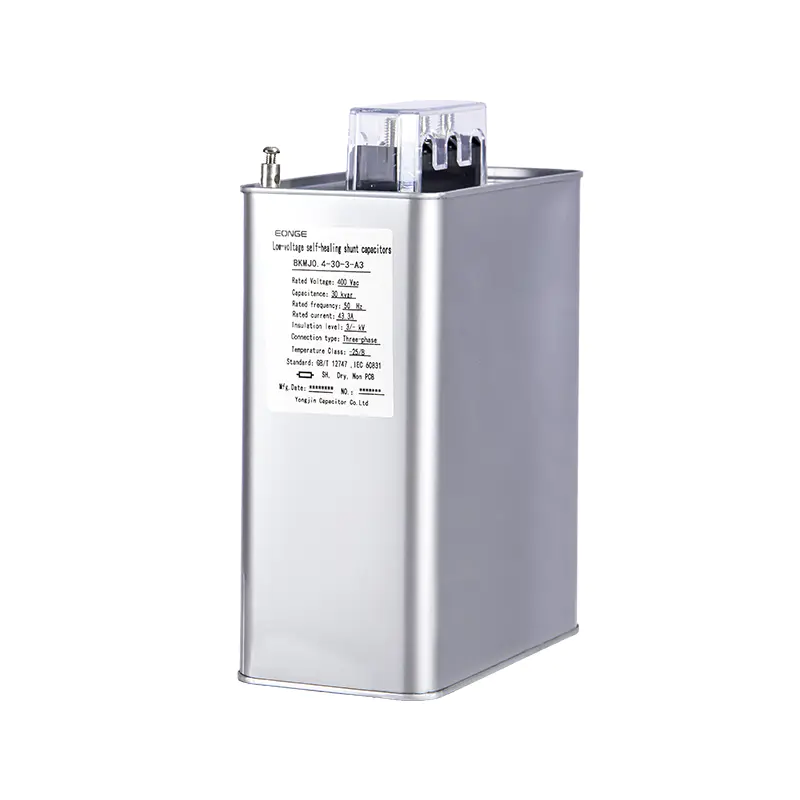
Modern low-voltage capacitor units generally fall into two distinct categories based on their internal construction. Oil-filled types use metal cases with elements impregnated under high vacuum, resulting in low temperature rise and extended operational life even in challenging ambient conditions. These designs excel in applications where heat dissipation is critical, such as filter circuits handling harmonic currents.
Dry-type variants represent the other major category, utilizing nitrogen gas or resin encapsulation within aluminum enclosures. These environmentally friendly designs eliminate leakage risks entirely while offering compact volumes ideal for space-constrained installations. The self-healing mechanism common to both types allows the capacitor to recover from minor dielectric faults through controlled vaporization of the metalized layer around the affected area.
Core Functions in Electrical Networks
The primary role of any low-voltage capacitor in industrial settings involves power factor correction. Inductive loads like motors, transformers, and welding equipment create phase shifts between voltage and current, drawing reactive power that does no useful work but strains the electrical infrastructure. Capacitors supply leading reactive power locally, canceling this effect and improving overall system efficiency.
Beyond basic correction, these components reduce resistive losses in cables and transformers by minimizing current flow for the same useful power delivery. They also increase available capacity in existing infrastructure, potentially deferring costly upgrades. Voltage stabilization along long cable runs represents another valuable function, particularly in facilities with distributed loads.
Technical Specifications That Matter
Selecting an appropriate low-voltage capacitor requires understanding several critical parameters. Voltage ratings must include safety margins above nominal system voltage, typically ten to twenty percent, to accommodate fluctuations and transient spikes. Capacitance values, measured in microfarads, directly determine the reactive power output measured in kilovars.
Equivalent series resistance indicates internal losses that generate heat during operation, with lower values corresponding to higher efficiency and longer service life. Temperature ratings define acceptable operating ranges, with premium units rated for continuous duty at ambient temperatures reaching fifty-five degrees Celsius.
Safety Features and Protection Mechanisms
Modern low-voltage capacitor designs incorporate multiple safety systems to prevent catastrophic failure. Internal overpressure disconnection devices interrupt electrical paths when internal pressure rises due to end-of-life conditions, effectively removing failed units from service before case rupture occurs. Discharge resistors safely reduce terminal voltage to below fifty volts within one minute of de-energization, protecting maintenance personnel from hazardous stored energy.
Self-healing metallized film construction provides another layer of protection, instantly clearing localized dielectric breakdowns without compromising overall unit functionality. These features combine to make modern capacitors remarkably safe despite the significant energy they handle.
Applications Across Industrial Sectors
The versatility of the low-voltage capacitor makes it indispensable across diverse industries. Mining operations use them to stabilize power for massive excavation equipment where voltage sags would otherwise disrupt production. Oil and gas facilities rely on them for offshore platforms where space constraints demand compact, reliable power correction.
Manufacturing plants integrate capacitors into motor control centers, reducing demand charges and preventing overheating in distribution equipment. Commercial buildings employ automatic capacitor banks that adjust correction dynamically as HVAC systems, elevators, and lighting loads cycle throughout operating hours. Renewable energy installations use them to smooth inverter output and maintain power quality for grid interconnection.
Recommended Products
The variety of models, to meet the development needs of various regions in the world.
Copyright © Shanghai Yongjin Electric Technology Co.,Ltd.

China Power Quality Solutions Supplier