


 English
 中文简体
 русский
 Español
 عربى
-
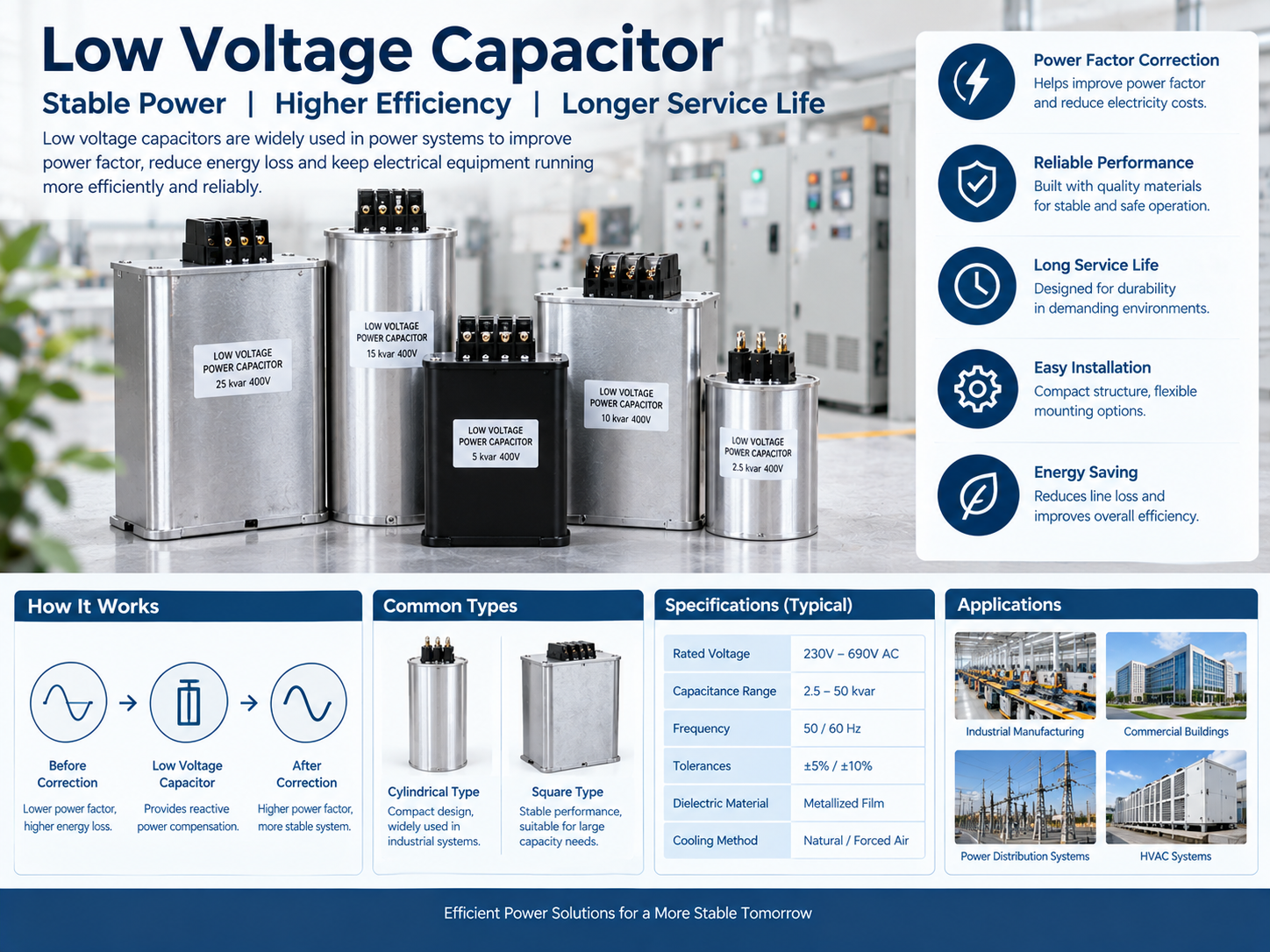
How to Choose a Low Voltage Capacitor for Different Load Conditions
2026-10-09Low voltage capacitors are widely used in electrical distribution systems to improve power factor, support voltage conditions, and manage reactive power demand. They can be installed in industrial plants, comm...View More -
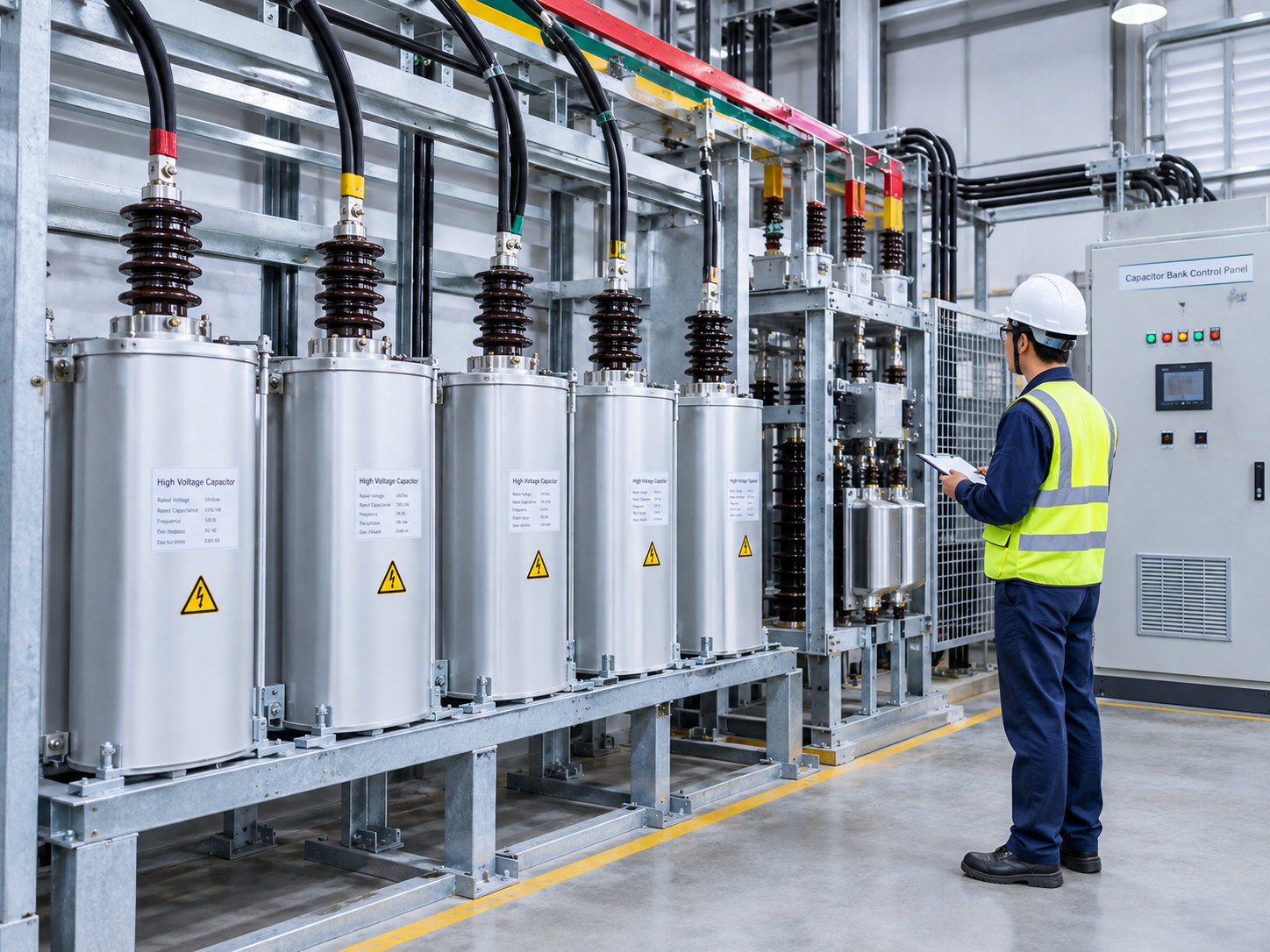
Why Do High Voltage Capacitors Fail After Installation? Common Causes Explained
2026-10-02Why Do High Voltage Capacitors Fail After Installation? Common Causes Explained Capacitors high voltage are standard pieces of gear across industrial power systems for handling power factor correction, voltage support, l...View More -
Which DC Link Capacitor Type Fits Your EV On Board Charger Design
2026-09-29An on board charger takes alternating current from an external source and converts it into direct current the battery pack can accept. That conversion does not happen in a single step. Power passes through stages, and be...View More -
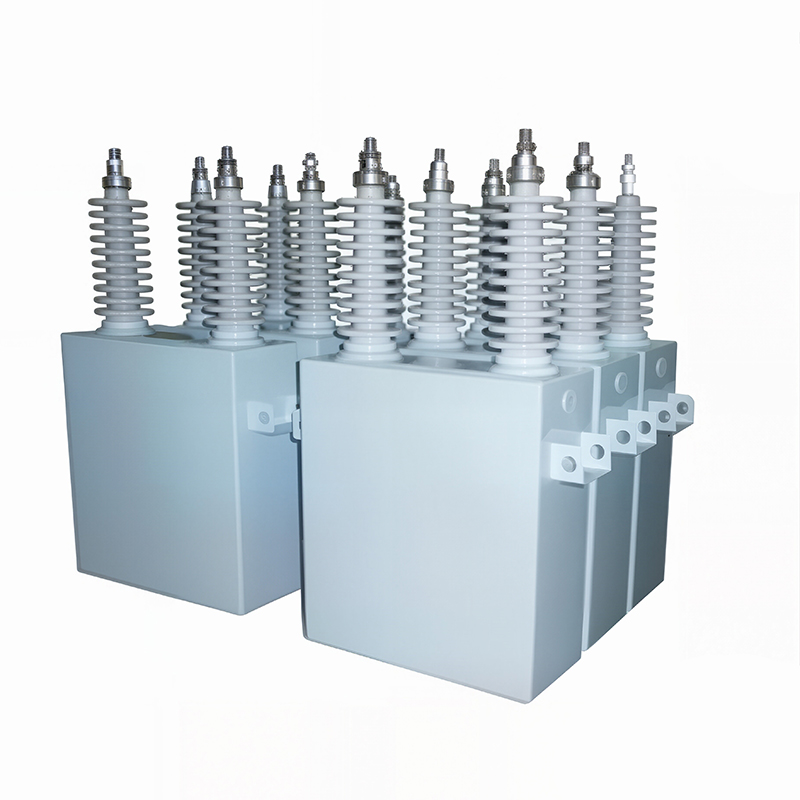
Which Capacitor Bank Configuration Fits Your Industrial Load Profile
2026-09-25Industrial electrical loads rarely behave in exactly the same way throughout an operating day. A motor may run for several hours and then stop. Heating equipment can cycle according to production needs. Ventilation equip...View More -
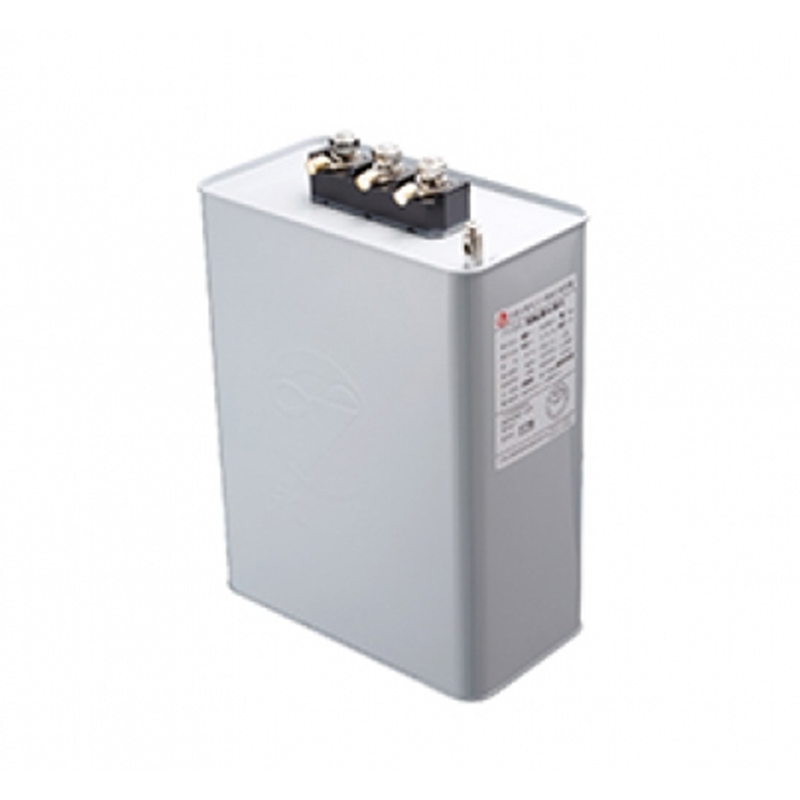
How Low Inductance Affect DC Link Capacitor Performance in Real Applications
2026-09-22A capacitor in a power conversion system does not work in isolation. The path connecting it to other electrical parts also affects how quickly current can move through the circuit. When that path contains unwanted induct...View More -
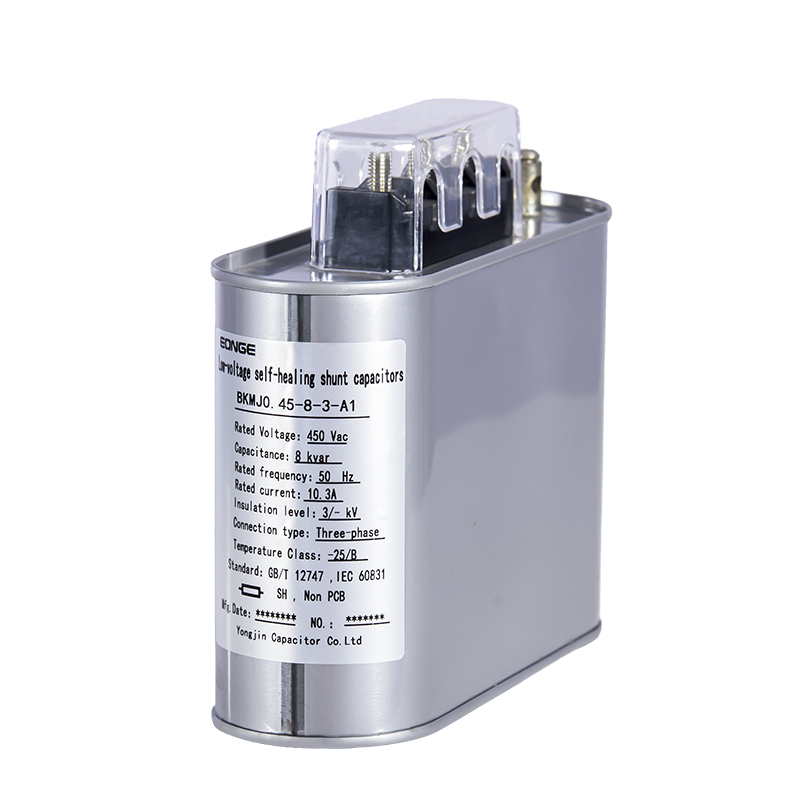
How a Low Voltage Capacitor Supports Welding Equipment Operation
2026-09-18Welding equipment places changing electrical demands on a power supply during normal operation. The load may shift as the welding process starts, continues, pauses, or changes between different working conditions. Becaus...View More -
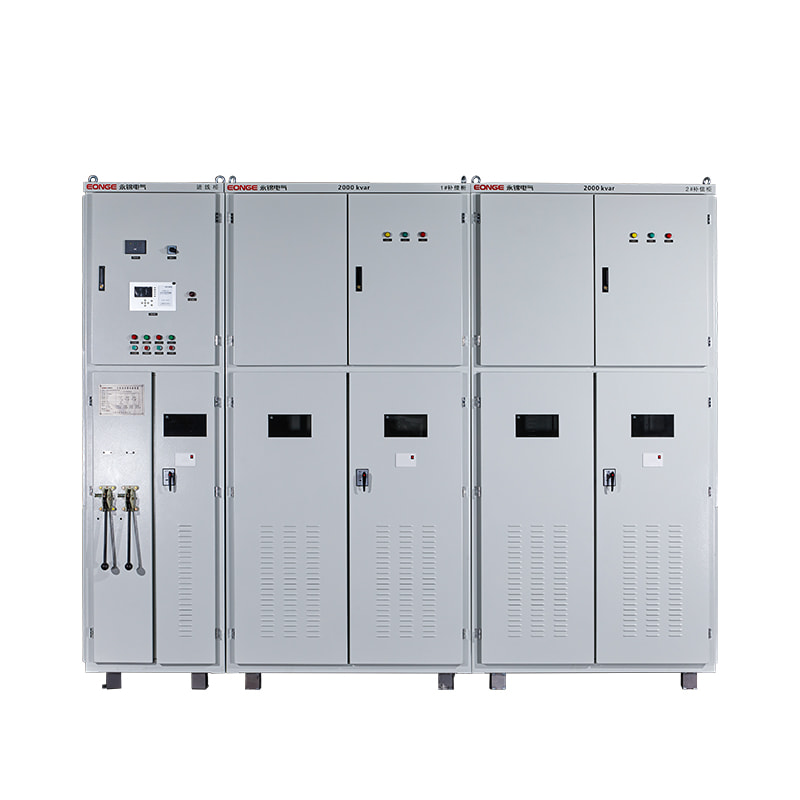
Which Industries Use High Voltage Capacitors Most Frequently
2026-09-15A capacitor used in a high-voltage system is rarely selected simply because the equipment carries a high voltage. Its actual role depends on what the equipment needs to do with electrical energy during operation. Some sy...View More -

Tips for Matching a Capacitor Bank to an Existing Power Distribution System
2026-09-11An existing power distribution system often develops gradually as electrical loads are added or operating conditions change. When a Capacitor Bank is considered for such a system, the selection process needs to begin wit...View More -
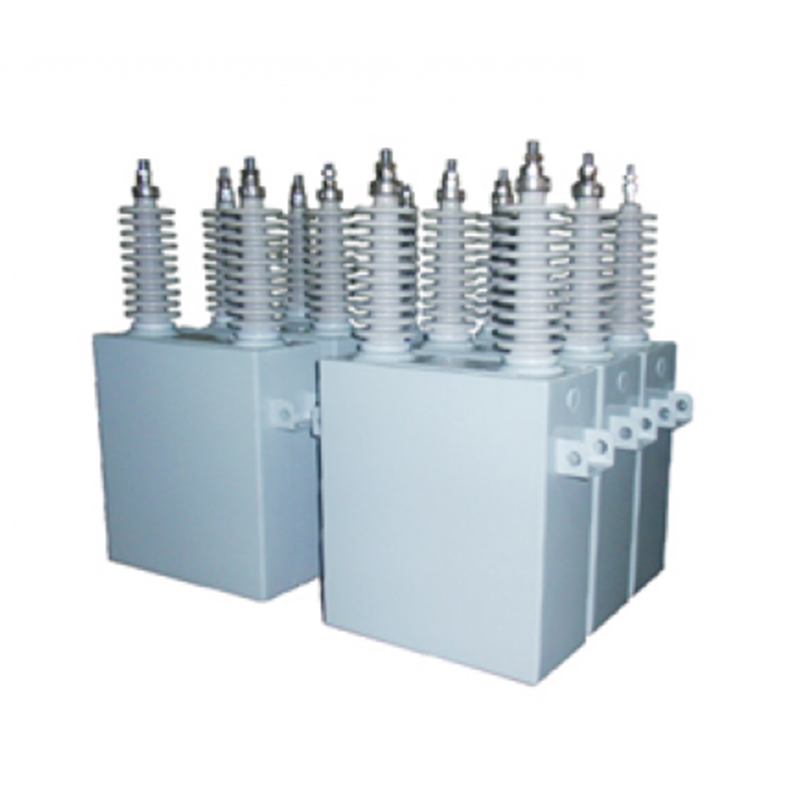
Whether a DC Link Capacitor Requires Different Sizing Than an AC Capacitor
2026-09-08A capacitor may have a similar appearance across different electrical systems, yet its required size depends heavily on how and where it works. A DC Link Capacitor operates on a direct-current section of a power circuit,...View More -
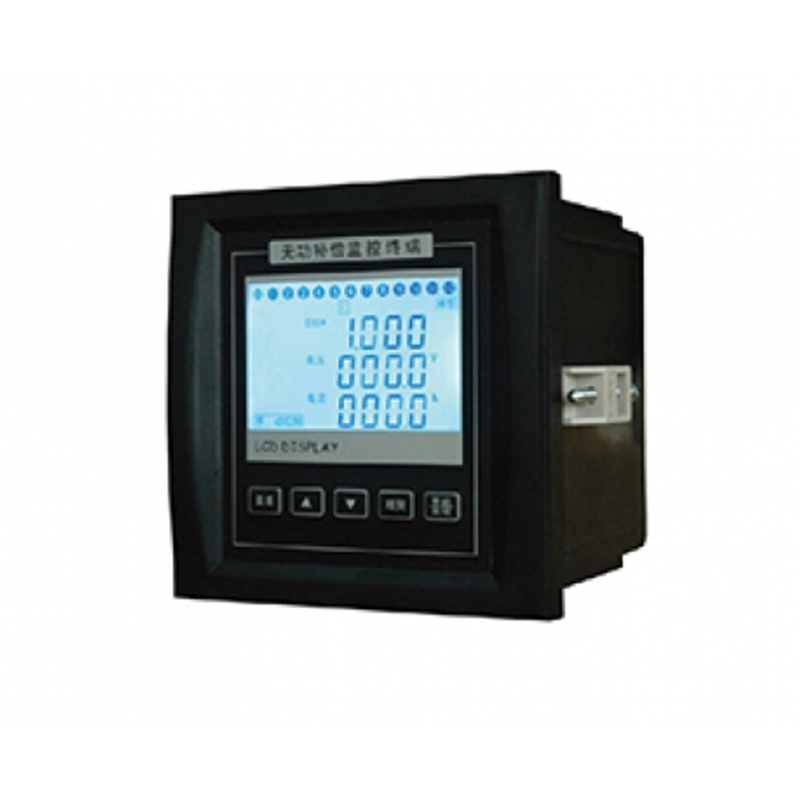
Which Equipment Needs a High Voltage Capacitor for Normal Operation
2026-09-04Electrical equipment does not always work under the same power conditions. Some machines receive relatively steady electricity, while others experience changes during starting, stopping, conversion, or changes in operati...View More -
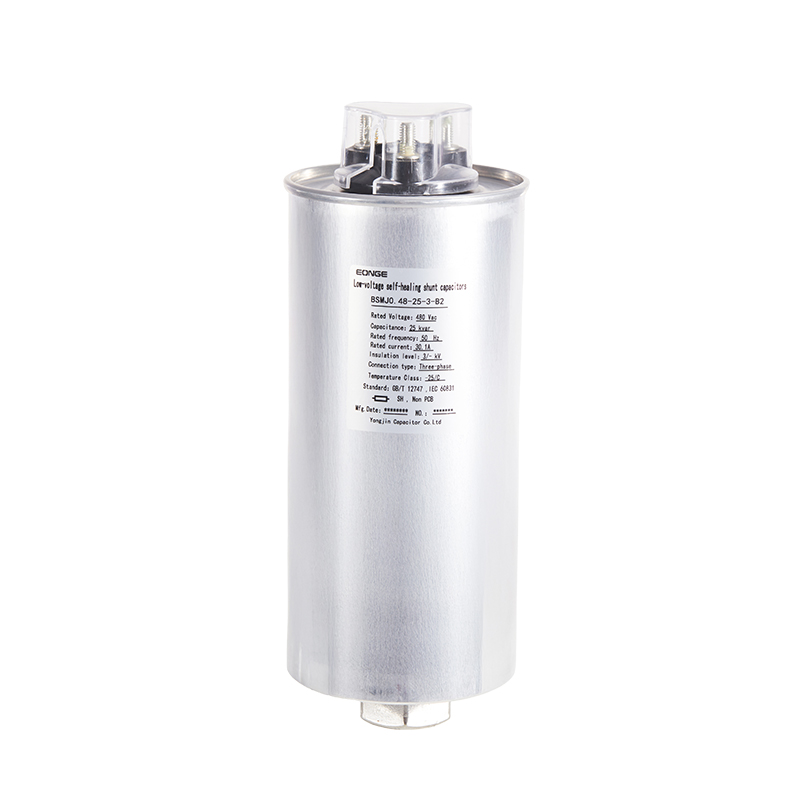
What Signs Indicate a Low Voltage Capacitor Nears End of Life
2026-09-01Electrical capacitors can gradually change as operating conditions continue over time. A unit may still appear to work normally while its internal condition is becoming less stable. For maintenance teams, recognizing sma...View More -
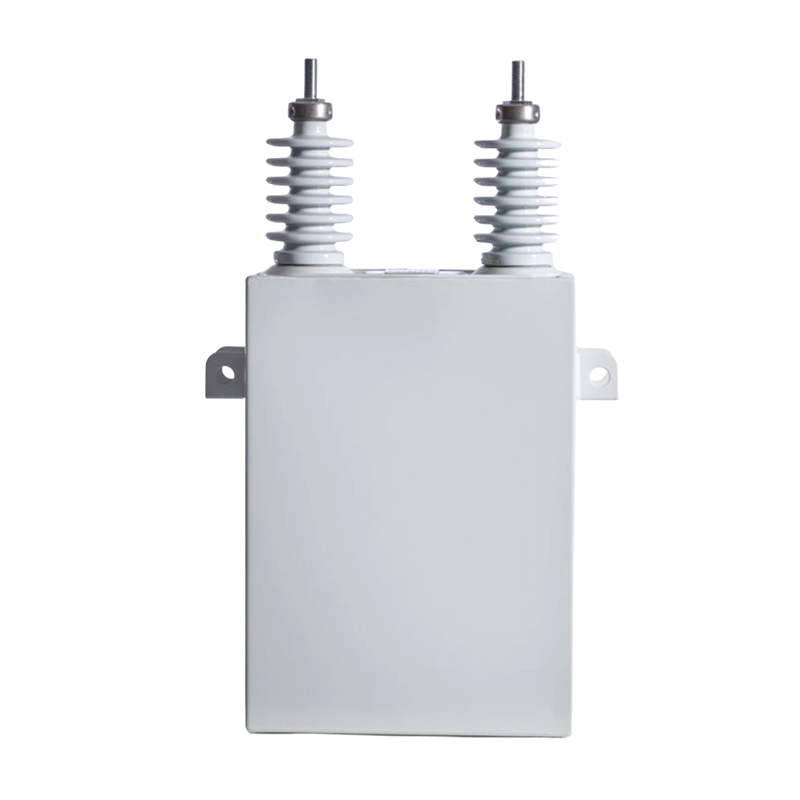
Why a Capacitor Bank Is Common in Large HVAC Systems
2026-08-28Large HVAC systems rely on many electrically driven parts working together. Compressors move refrigerant, fans circulate air, and pumps move water through heating or cooling circuits. Each motor adds a particular type of...View More
Copyright © Shanghai Yongjin Electric Technology Co.,Ltd.

China Power Quality Solutions Supplier