


 English
 中文简体
中文简体 русский
 Español
 عربى
عربى
Industry News
Which Equipment Needs a High Voltage Capacitor for Normal Operation
Electrical equipment does not always work under the same power conditions. Some machines receive relatively steady electricity, while others experience changes during starting, stopping, conversion, or changes in operating load. A capacitor can help manage part of that changing electrical condition, which makes its selection closely related to how a machine actually works.
Voltage level is an important consideration. Equipment operating in a higher voltage environment needs components that can tolerate the electrical conditions present during normal use. A capacitor designed for a lower working range may not be suitable simply because its physical size or basic function appears similar.
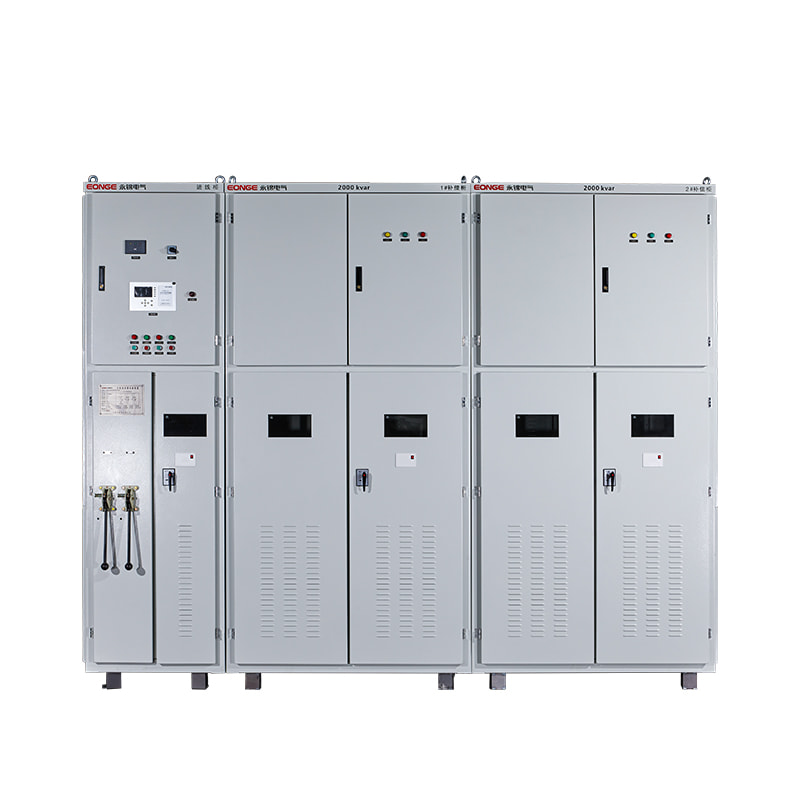
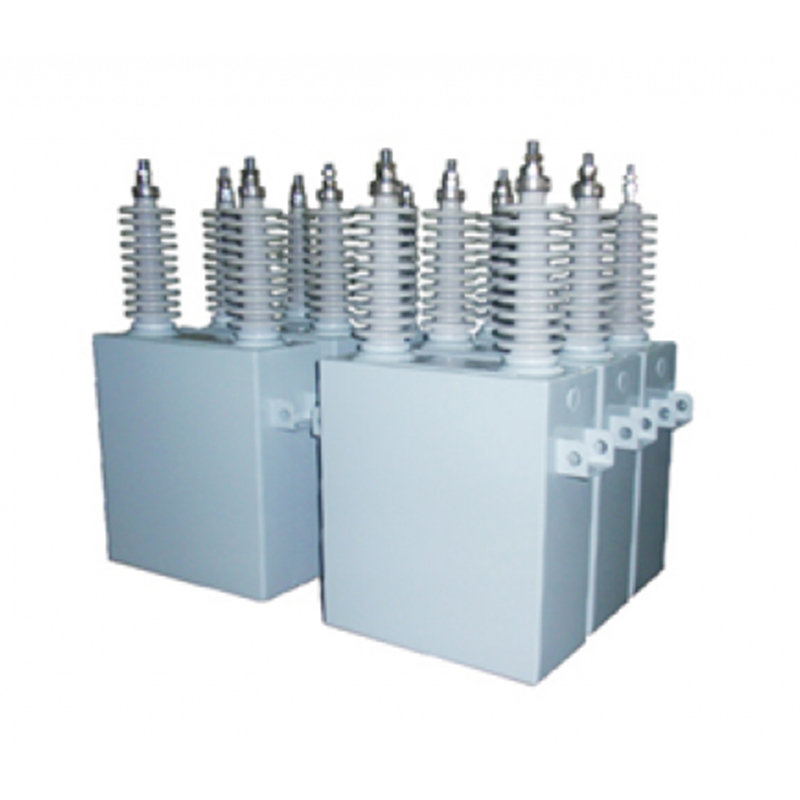
A High Voltage Capacitor can store electrical energy for a short period and release it when the circuit requires it. Such behavior can help smooth changes within certain electrical systems. Its role depends on where it is placed and what the surrounding circuit is expected to do.
Equipment designers therefore tend to look beyond the word “capacitor” when choosing a component. Working conditions, electrical load, installation space, and the way power moves through a system all influence the appropriate choice.
How Does a High Voltage Capacitor Support Equipment Operation
A capacitor can act as a temporary storage point within an electrical circuit. During one stage of operation, electrical energy enters the component. During another stage, part of that stored energy can return to the circuit. Such movement can help support equipment when electrical demand changes over short periods.
Voltage stability is another reason for using capacitors in certain systems. Electrical equipment may experience changes when a motor starts, when power is converted, or when a load changes. A properly selected capacitor can help reduce some of the unwanted variation associated with such operating conditions.
Different applications place different demands on the component. A power supply may need help smoothing electrical output, while another system may use a capacitor as part of an energy storage arrangement. The basic principle remains similar, although the surrounding circuit determines how the component is expected to behave.
Several factors can affect its working role:
- Operating voltage
- Electrical load changes
- Installation position
- Temperature around the component
- Required storage and release behavior
Considering the complete circuit is important because a capacitor does not work independently. Its performance is connected with other electrical parts and with the way the equipment is operated.
Which Power Supply Equipment Uses High Voltage Capacitors
Power supply equipment often needs to deal with electricity that changes during conversion or delivery. Input power may not remain in exactly the form required by the equipment using it, so electrical components are arranged to adjust and manage the power along the way.
A High Voltage Capacitor can serve as part of that process. It may temporarily hold electrical energy and help reduce unwanted changes before power reaches another section of the system. Such a role can be useful in equipment where a stable electrical condition is needed during normal operation.
Power supply equipment can vary considerably in size and structure. Some systems are built for individual machines, while others form part of a larger electrical installation. Capacitor requirements therefore depend on the actual working conditions rather than the general category of the equipment.
Installation conditions deserve attention as well. A component placed inside a closed electrical enclosure may face different heat conditions from one installed in a more open location. Space around the capacitor, connection method, and surrounding components can all affect practical use.
Why Do Motor Drive Systems Need High Voltage Capacitors
Motor‑driven equipment can place changing demands on a power system. Starting a motor, changing its operating condition, or stopping it can create a different electrical situation from steady running. A capacitor may be used to support part of that process, depending on how the drive system is arranged.
Energy storage is one possible function. Electrical energy held by the capacitor can be available when the surrounding circuit requires temporary support. Such assistance can help manage changes without asking the power source to respond to every short fluctuation on its own.
Motor systems may contain several electrical components working together. A capacitor needs to suit the voltage and operating conditions of the circuit around it. Choosing a component based only on the motor's general size can overlook important differences in actual electrical behavior.
Heat and installation space can matter during long periods of operation. A capacitor placed close to heat‑producing components may experience conditions different from those expected in a cooler part of the enclosure. Careful placement can therefore be part of reliable equipment design.
How Are High Voltage Capacitors Used in Industrial Power Systems
Industrial power systems often connect several types of electrical equipment within the same working environment. Motors, power conversion equipment, control units, and other loads may operate at different times, causing the electrical condition of the system to change throughout normal operation.
Capacitors can assist with managing some of those changes. Depending on their position in the system, they may provide temporary energy storage or help support a more stable electrical condition. Their exact purpose needs to be considered together with the surrounding circuit rather than treated as a separate component function.
For industrial equipment, installation conditions can be just as important as electrical requirements. Dust, heat, moisture, vibration, and limited cabinet space may influence component selection and placement.
A practical selection process therefore considers several areas together:
| Equipment Condition | Capacitor Consideration | Practical Concern |
|---|---|---|
| Changing electrical load | Suitable working range | Supports normal power changes |
| Higher operating voltage | Appropriate voltage capability | Helps match the circuit |
| Warm installation area | Suitable operating conditions | Limits unnecessary thermal stress |
| Limited cabinet space | Appropriate physical size | Makes installation easier |
| Long operating periods | Consistent working conditions | Supports regular equipment use |
Industrial applications rarely depend on one component alone. A capacitor forms part of a larger electrical arrangement, so its role becomes clearer when power flow, operating conditions, and installation requirements are considered together.
Which Testing Equipment May Need High Voltage Capacitors
Some testing equipment needs to create or maintain a controlled electrical condition during operation. A capacitor can take part in that process by storing electrical energy for a short period and releasing it when the circuit requires support.
For testing work, consistency in the electrical supply can matter because changes in power may affect how equipment behaves during a test. A suitable capacitor can help manage part of the electrical variation within the system, depending on its position and intended function.
Different testing tasks place different demands on the equipment. One setup may need temporary energy storage, while another may require help with changes in the supplied voltage. Selecting the component therefore starts with the actual purpose of the testing equipment rather than its appearance or general category.
Installation needs attention as well. Testing equipment may be used in enclosed cabinets or areas where several electrical parts are positioned close together. Available space, heat around the component, and connection arrangements can influence how a capacitor is installed and operated.
How Do High Voltage Capacitors Work in Energy Storage Equipment
Electrical energy does not always need to be delivered at exactly the same moment it is received. A capacitor can hold part of that energy and release it later, creating a temporary source of support within a circuit.
Such behavior can be useful when equipment experiences short changes in electrical demand. Instead of relying only on the incoming power at every moment, a system can use stored energy during certain stages of operation.
A High Voltage Capacitor may therefore appear in equipment where energy needs to move between different stages of a process. Its role is generally temporary rather than similar to long‑term energy storage. How much energy is stored, how quickly it is released, and how often the process occurs depend on the surrounding equipment.
Proper matching remains important. Working voltage, operating temperature, physical space, and connection requirements all need to fit the equipment. A capacitor that appears suitable from one aspect may still create problems when other operating conditions are overlooked.
What Other Equipment Can Use High Voltage Capacitors
Power conversion equipment may use capacitors when electrical energy needs to be adjusted between different stages. During conversion, voltage and current conditions can change, creating a need for temporary energy storage or support within part of the circuit.
Equipment connected with transformers may have similar requirements. A capacitor can be included as part of the electrical arrangement around the transformer, depending on the purpose of the system and how power is being handled.
Power compensation equipment can use capacitors for another reason. Electrical loads do not always behave in the same way during operation, and capacitors can help manage certain characteristics of the electrical system.
Some industrial control and supply equipment may contain capacitors as well. In such cases, the component can support power stability, temporary storage, or another specific function within the circuit.
| Equipment Type | Possible Capacitor Role | Main Point to Consider |
|---|---|---|
| Power Supply Equipment | Supports changing electrical conditions | Working voltage and installation |
| Motor Drive Systems | Helps during changing power demand | Load and operating conditions |
| Testing Equipment | Provides temporary energy storage | Test requirements and stability |
| Power Conversion Equipment | Supports energy movement during conversion | Circuit arrangement |
| Power Compensation Equipment | Helps manage electrical conditions | Overall system requirements |
Similar equipment categories can have very different internal designs, so the presence of a capacitor should never be assumed simply from the equipment name.
What Should a High Voltage Capacitor Supplier Consider
A High Voltage Capacitor Supplier needs to consider how the component will be used rather than looking only at its basic electrical rating. Equipment designers may have different requirements for voltage, temperature, installation space, connection methods, and operating conditions.
Clear product information can make technical communication easier. Buyers need to know whether a component suits the intended working environment, while equipment manufacturers need enough information to assess compatibility with their own electrical systems.
Physical construction matters during installation. A capacitor may need to fit inside a particular enclosure or remain separated from heat‑producing parts. Connection points should match the surrounding circuit so that installation does not require unnecessary changes.
Daily operating conditions deserve attention as well. Equipment located in a warm, humid, dusty, or vibration‑prone environment may place different demands on electrical components than equipment working in a cleaner indoor setting.
A useful selection discussion can cover:
- Working voltage and expected electrical conditions
- Operating temperature and surrounding environment
- Physical dimensions and mounting requirements
- Connection arrangement
- Expected operating pattern
- Compatibility with nearby electrical parts
Such information gives equipment manufacturers a clearer basis for deciding whether a component fits a particular application.
How Should Equipment Needs Shape High Voltage Capacitor Selection
Choosing a capacitor starts with the equipment rather than the component itself. Knowing where the capacitor will be installed, what electrical task it needs to perform, and how the equipment behaves during normal operation provides a more practical starting point.
Voltage is important, although it is not the only consideration. Changes in electrical load, operating temperature, available installation space, and the frequency of use can influence the suitability of a component.
A simple selection process can follow several steps:
- Identify the part of the equipment where the capacitor will operate.
- Check the working voltage and expected electrical conditions.
- Consider heat, moisture, vibration, and available installation space.
- Review the connection method and surrounding components.
- Match the component with the actual operating pattern of the equipment.
A High Voltage Capacitor is therefore not limited to one type of machine. Power supplies, motor systems, testing equipment, conversion equipment, and other industrial systems may use such components for different reasons.
Looking at the complete operating environment helps avoid choices based on a single specification. For equipment manufacturers and a High Voltage Capacitor Supplier, practical communication about how the component will be used can make selection clearer and reduce unnecessary changes during installation.
Recommended Products
The variety of models, to meet the development needs of various regions in the world.
Copyright © Shanghai Yongjin Electric Technology Co.,Ltd.

China Power Quality Solutions Supplier