


 English
 中文简体
中文简体 русский
 Español
 عربى
عربى
Industry News
What Signs Indicate a Low Voltage Capacitor Nears End of Life
Electrical capacitors can gradually change as operating conditions continue over time. A unit may still appear to work normally while its internal condition is becoming less stable. For maintenance teams, recognizing small changes can be more useful than waiting for a complete failure.
Aging may appear through several forms. A casing can change shape, a connection area may become discolored, or operating temperature may rise without an obvious change in the surrounding equipment. Changes in electrical performance can also provide useful clues, especially when similar components are working under comparable conditions.
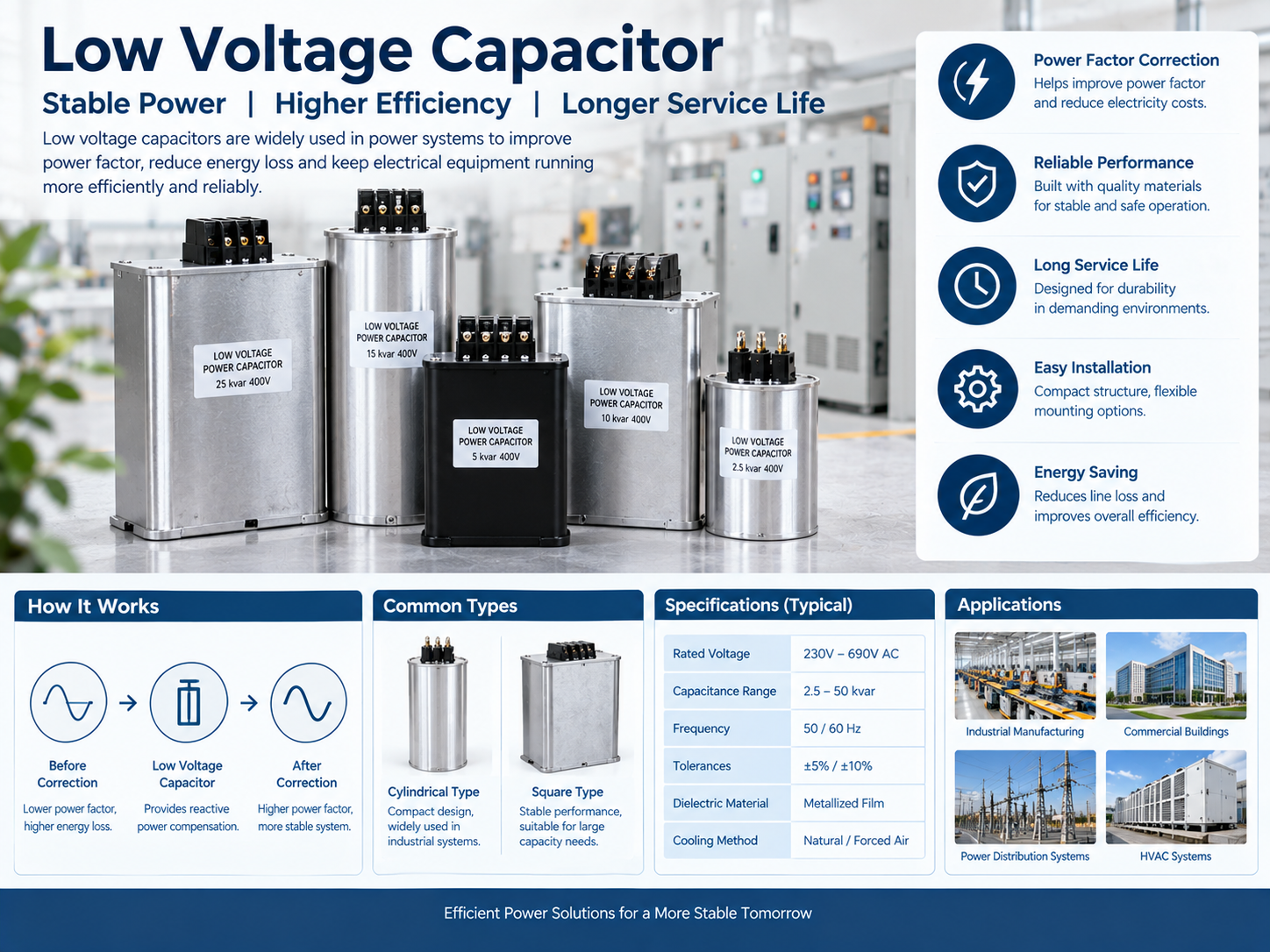
For a low voltage capacitor, checking only the outer appearance does not provide enough information. Physical condition, operating behavior, electrical readings, and the environment around the component all deserve attention. Looking at several signs together can make it easier to decide whether closer inspection is needed.
Why Does a Low Voltage Capacitor Age Over Time
Several conditions can gradually affect capacitor condition. Heat is one of the main concerns because continuous exposure to elevated temperature can place additional stress on internal materials. Poor ventilation may make the situation worse by allowing heat to remain around the component for longer periods.
Electrical stress also matters. Repeated operation can cause gradual changes inside a capacitor, especially when operating conditions are not stable. Moisture, dust, and contamination can create additional concerns around insulation and connection areas.
Installation conditions should not be overlooked either. A capacitor works as part of a larger electrical arrangement, so problems nearby may influence its operating environment.
Common factors include:
- Heat around the enclosure
- Poor airflow
- Moisture or condensation
- Dust accumulation
- Loose or damaged connections
- Repeated electrical stress
- Changes in surrounding equipment
Aging does not always follow a clear pattern. One component may show visible changes while another mainly displays altered electrical behavior. For that reason, maintenance work benefits from observing gradual changes rather than relying on one fixed sign.
What Physical Signs May Indicate Aging
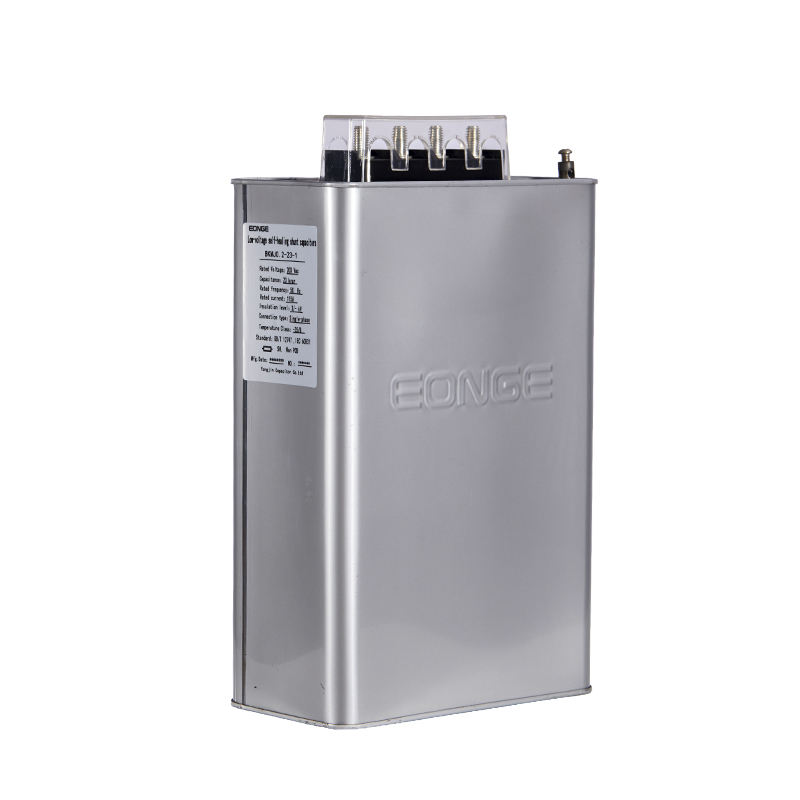
Visual inspection provides a convenient starting point because several forms of deterioration can be seen without immediately carrying out electrical measurements. A swollen or deformed casing, for example, may indicate that internal conditions have changed. Cracks, damaged surfaces, or unusual discoloration also deserve attention.
Heat‑related changes can appear around terminals and connection points. A darkened area may suggest prolonged heating, while corrosion can point toward moisture exposure or an unsuitable environment. Damaged insulation should also be treated carefully because it can affect safe operation.
| Visible Condition | Possible Concern | Suggested Check |
|---|---|---|
| Swollen casing | Internal condition may have changed | Further inspection |
| Darkened surface | Possible heat exposure | Check temperature and connections |
| Corroded terminal | Moisture or connection issue | Inspect surrounding area |
| Cracked housing | Physical deterioration | Remove from normal service for assessment |
| Damaged insulation | Electrical safety concern | Check insulation condition |
Appearance alone cannot confirm that a capacitor has reached the end of its useful service. Dirt, heat from nearby equipment, poor connections, or enclosure conditions can create similar signs. A visible change should therefore lead to a closer inspection rather than an immediate assumption about the cause.
Regular observation also makes small differences easier to notice. Comparing similar components installed in the same area can reveal one unit that looks noticeably different from its neighbors.
What Operating Changes Can Point to a Developing Problem
Some aging signs become noticeable during normal operation rather than during a visual inspection. Unusual noise, vibration, repeated switching interruptions, or changes in expected compensation behavior can indicate that something deserves closer attention.
Temperature is particularly useful when several similar components operate under similar conditions. A noticeable temperature difference may suggest that one unit is experiencing a different internal or connection condition. Heat around a terminal can also come from a poor connection rather than from the capacitor itself, so checking the surrounding parts remains important.
Changes in system behavior may appear gradually. A low voltage capacitor that no longer performs in the same way as comparable units can affect the overall electrical arrangement, even when no obvious physical damage is present.
Several observations can be recorded during routine checks:
- Unusual sound during operation
- Changes in surface temperature
- Repeated interruptions
- Visible changes around connections
- Different behavior between similar components
A single unusual observation does not always point to capacitor aging. Surrounding electrical equipment, connection quality, ventilation, and load conditions can influence what is observed. Looking at several signs together provides a more practical basis for further inspection.
How Can Electrical Checks Help Identify Aging
Visual changes can provide an early reason for inspection, although electrical condition often gives a clearer picture of how a capacitor is performing. A gradual change in capacitance, current, or operating temperature may show that internal conditions are no longer the same as before.
For maintenance work, comparing similar components can be useful. When several units operate under similar conditions, one noticeable difference may deserve closer attention. Previous inspection records can also help reveal whether a change is temporary or part of a longer trend.
Current and temperature are worth considering together. A rise in current may come from changes elsewhere in the electrical system, while unusual heating may result from a poor connection. Looking at one reading without considering operating conditions can therefore lead to an incorrect conclusion.
Electrical checks should be carried out using suitable procedures, especially around equipment that may retain electrical energy after power has been removed. Internal inspection and testing should be handled by qualified personnel with appropriate safety measures.
What Should Be Checked in a Low Voltage Capacitor Bank
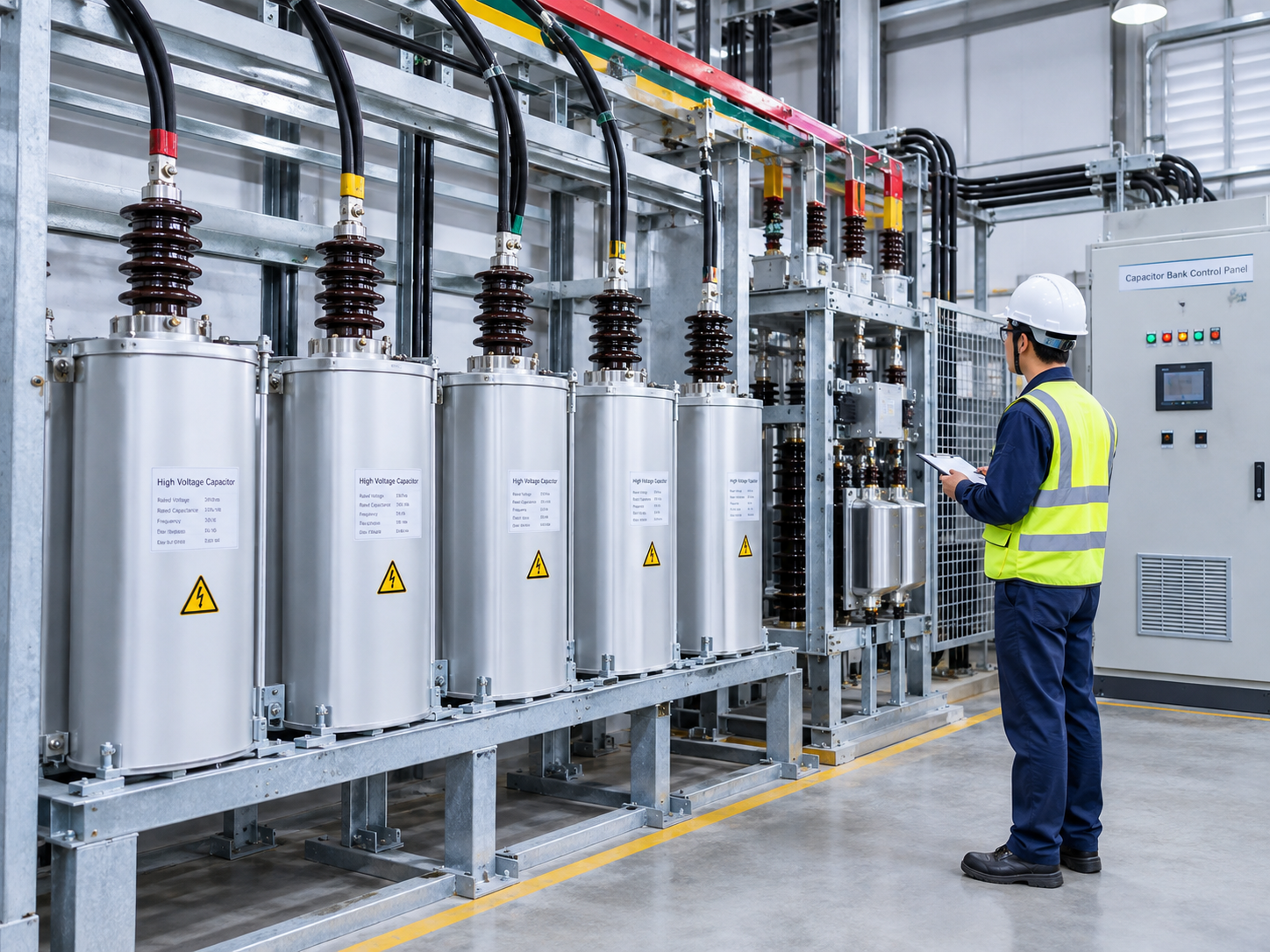
A capacitor bank contains several connected components, so one unusual unit may influence how the wider assembly behaves. Inspection should therefore cover individual stages as well as the enclosure and connection points around them.
A low voltage capacitor bank can be checked through several simple areas:
- Outer condition of individual units
- Terminal and connection condition
- Signs of corrosion or moisture
- Temperature differences between similar stages
- Ventilation openings and airflow
- Dust or contamination inside the enclosure
- Unusual sound during operation
Loose connections deserve particular attention because resistance at a connection point can create additional heat. A darkened terminal may therefore indicate a connection problem rather than an internal capacitor fault.
Ventilation is another part of the inspection. Dust can restrict airflow, while moisture may affect metal parts and insulation. An enclosure that remains warm for long periods can place additional stress on components inside.
Looking at the entire installation helps avoid a narrow diagnosis. A capacitor may appear unusual because of conditions around it rather than because the component itself has deteriorated.
Why Does a Low Voltage Film Capacitor Need Careful Inspection
A Low Voltage Film Capacitor has a different internal construction from other capacitor types, so its aging behavior can have its own characteristics. Film‑based materials can gradually change under prolonged electrical and thermal stress, making regular observation useful during maintenance.
Changes may not always be visible from the outside. Electrical characteristics can shift while the casing remains in normal condition. Local heating, altered capacitance, or changes in internal losses may provide additional clues during inspection.
Physical condition still matters. Discoloration, swelling, damaged terminals, or changes around the housing should be recorded rather than ignored. Comparing a unit with similar components can help identify unusual differences.
Environmental conditions also deserve attention. Heat from nearby equipment, restricted ventilation, dust, and moisture can influence how a film capacitor operates. A clean enclosure with suitable airflow provides a more stable environment for inspection and operation.
Rather than judging a film capacitor from one symptom, maintenance personnel can consider several observations together:
- Physical condition
- Operating temperature
- Electrical behavior
- Connection condition
- Surrounding environment
Such a combined approach makes it easier to separate normal variation from a developing problem.
When Should Aging Signs Lead to Further Inspection
Further inspection becomes more reasonable when several warning signs appear together or when an unusual change continues during normal operation. A swollen casing accompanied by elevated temperature, for example, deserves more attention than a minor surface mark with no other changes.
Repeated abnormal behavior also deserves investigation. Frequent switching problems, noticeable temperature differences, altered electrical readings, or unusual sounds can each provide a reason to look more closely.
For equipment containing several similar units, comparison can be particularly useful. A component that behaves differently from the others may warrant additional testing, even when its external appearance seems normal.
| Observation | What to Compare | Why It Matters |
|---|---|---|
| Surface condition | Previous inspections | Shows physical changes |
| Temperature | Similar units | Reveals unusual heating |
| Electrical readings | Earlier measurements | Shows gradual variation |
| Terminal condition | Nearby connections | Helps identify connection issues |
| Operating behavior | Normal system operation | Indicates changes over time |
Replacement decisions should not depend on one visual mark or one unusual reading. Physical condition, electrical measurements, operating environment, and maintenance history provide a more complete picture when considered together.
Routine inspection can also reveal problems outside the capacitor itself. A damaged connection, restricted airflow, or moisture inside an enclosure may need attention even when the capacitor remains in usable condition.
For equipment operators, the practical goal is to notice changes early enough for a qualified person to investigate them safely. A low voltage capacitor bank can continue to perform its intended function when its individual components and surrounding conditions are monitored as part of the same system.
Recommended Products
The variety of models, to meet the development needs of various regions in the world.
Copyright © Shanghai Yongjin Electric Technology Co.,Ltd.

China Power Quality Solutions Supplier