


 English
 中文简体
中文简体 русский
 Español
 عربى
عربى
Industry News
Why a Capacitor Bank Is Common in Large HVAC Systems
Large HVAC systems rely on many electrically driven parts working together. Compressors move refrigerant, fans circulate air, and pumps move water through heating or cooling circuits. Each motor adds a particular type of electrical demand, and the combined load can influence how the wider power system operates.
Motor‑driven equipment commonly creates reactive power demand. Current is needed to establish the magnetic field inside a motor, although not all of that current contributes directly to useful mechanical work. A lower power factor can therefore make the electrical system carry more current than would be required for the useful load alone.
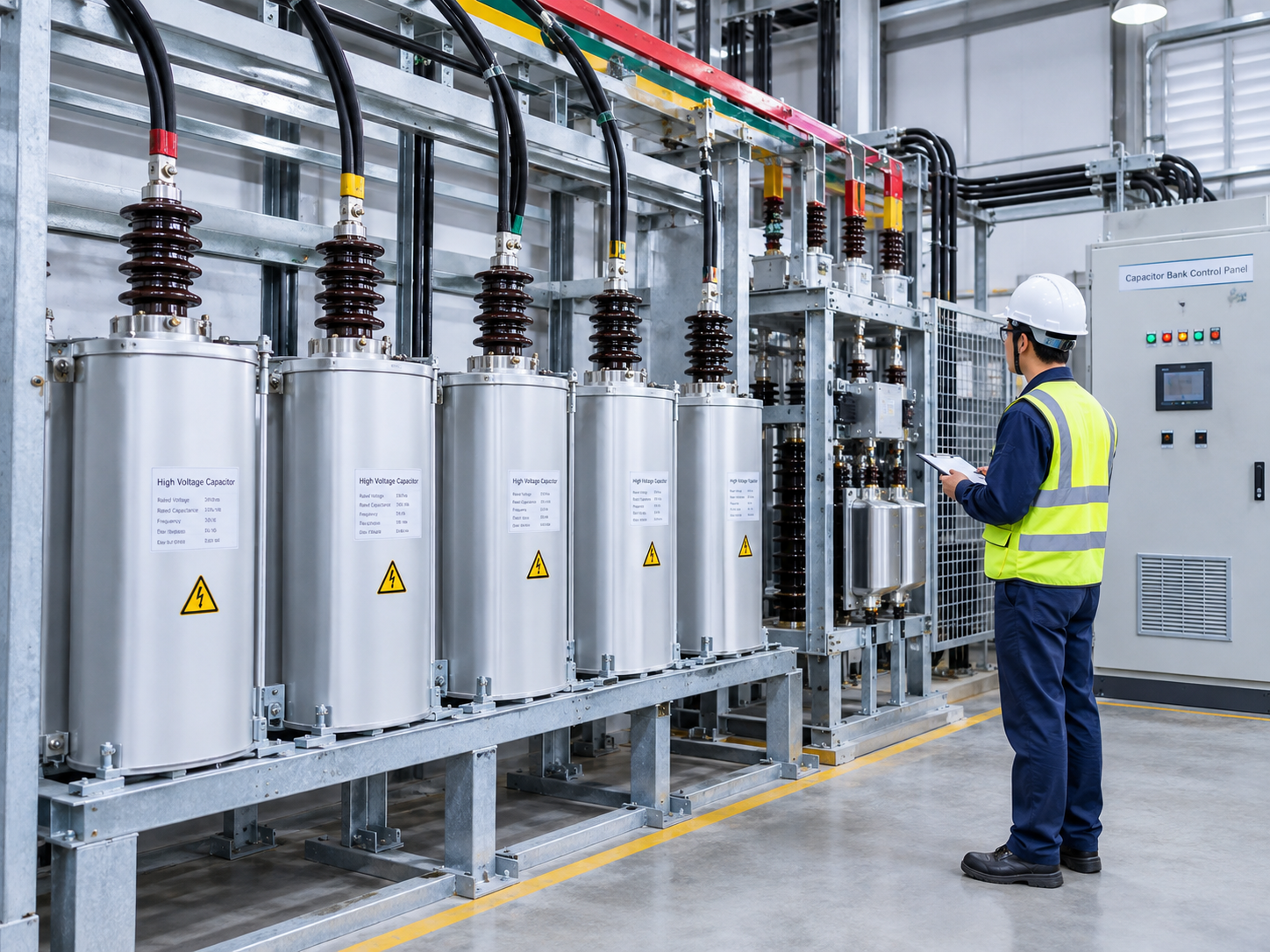
A Capacitor Bank can provide reactive power close to the equipment using it. Rather than requiring the upstream electrical system to supply all of the reactive current, capacitors provide part of the required support locally. Such an arrangement is why Capacitor Banks are often considered in large HVAC installations.
HVAC operation also changes throughout a normal working period. Compressors may start and stop, fans may change their operating condition, and pumps may not run continuously. For that reason, capacitor selection and control need to reflect actual load behavior rather than treating the HVAC system as one constant electrical load.
Why Do Large HVAC Systems Need Power Factor Correction
Power factor describes how effectively an electrical installation uses the supplied current for useful power. Motor loads tend to have a lagging power factor because of their magnetic behavior. When many motors operate together, the effect becomes more noticeable across the electrical distribution system.
Large HVAC installations often contain several motor‑driven loads at once. A cooling system may have compressors, pumps, air‑handling equipment, and fans operating at different times. Each load can contribute to reactive power demand.
A lower power factor can increase current flowing through feeders, transformers, and related electrical equipment. Correcting part of the reactive demand near the load can reduce the amount of reactive current traveling through upstream equipment.
Several factors make power factor correction relevant to HVAC systems:
- Multiple motors may operate within the same electrical installation
- Motor loading can change during normal operation
- Compressors and pumps may cycle according to building demand
- Electrical distribution equipment carries both useful and reactive current
- Changes in HVAC operation can alter the need for compensation
Power factor correction does not mean a motor suddenly requires less mechanical power. Its purpose is related to how electrical current is supplied and distributed. Keeping that distinction clear helps avoid unrealistic expectations about what a capacitor installation can accomplish.
How Does a Capacitor Bank Work in an HVAC System
Capacitors produce a reactive current that works in the opposite direction to the reactive demand created by inductive motor loads. When placed appropriately, part of the reactive requirement can be supplied closer to the motor rather than traveling from the main electrical source.
A Capacitor Bank combines several capacitor units into an arrangement that can provide compensation according to the needs of the installation. Fixed arrangements provide a constant amount of compensation, while automatically controlled arrangements can connect or disconnect capacitor stages as electrical demand changes.
For a large HVAC system, automatic switching can be useful when the load changes frequently. A controller can monitor electrical conditions and bring different capacitor stages into operation as required.
The basic relationship can be viewed in a simple way:
Motor load → Reactive demand → Capacitor compensation → Reduced reactive current from upstream supply
Actual system design requires more than connecting capacitors to a motor. Voltage conditions, switching behavior, load characteristics, and other electrical equipment need to be considered together.
Why Are HVAC Motors Closely Related to Capacitor Banks
Compressors, fans, and pumps form a large part of many HVAC electrical loads. Motors require magnetic fields for operation, which creates reactive power demand alongside useful power consumption.
A motor running under a heavier load behaves differently from one operating with little mechanical demand. Lightly loaded motors can have a lower power factor, while reactive current may remain present even when useful output falls.
Such variation matters when choosing between fixed and switched compensation. A fixed capacitor arrangement continues providing its assigned compensation even when the connected load becomes lighter. An automatic arrangement can adjust the number of active capacitor stages as conditions change.
The relationship becomes especially relevant when several HVAC components operate independently. A compressor may shut down while pumps continue running, or fans may change operation without the compressor following the same pattern. One fixed compensation level may therefore not match every operating condition.
What Is the Difference Between Fixed and Automatic Capacitor Banks
Fixed and automatic arrangements serve different load patterns. A fixed bank provides a constant level of compensation, making it more suitable where electrical demand remains relatively stable. Automatic banks divide compensation into stages and switch those stages according to changing conditions.
| Capacitor Bank Type | Typical Load Pattern | Main Consideration |
|---|---|---|
| Fixed Bank | Relatively steady load | Constant compensation |
| Automatic Bank | Changing load | Compensation changes with demand |
| Individual Motor Compensation | Dedicated motor load | Located close to the motor |
| Group Compensation | Several related loads | Shared electrical support |
For HVAC systems with changing compressor, pump, or fan operation, automatic control may provide greater flexibility. Fixed compensation can still have a place where a load remains reasonably stable.
Selection needs to account for how equipment actually operates rather than simply choosing a bank according to the size of the HVAC installation.
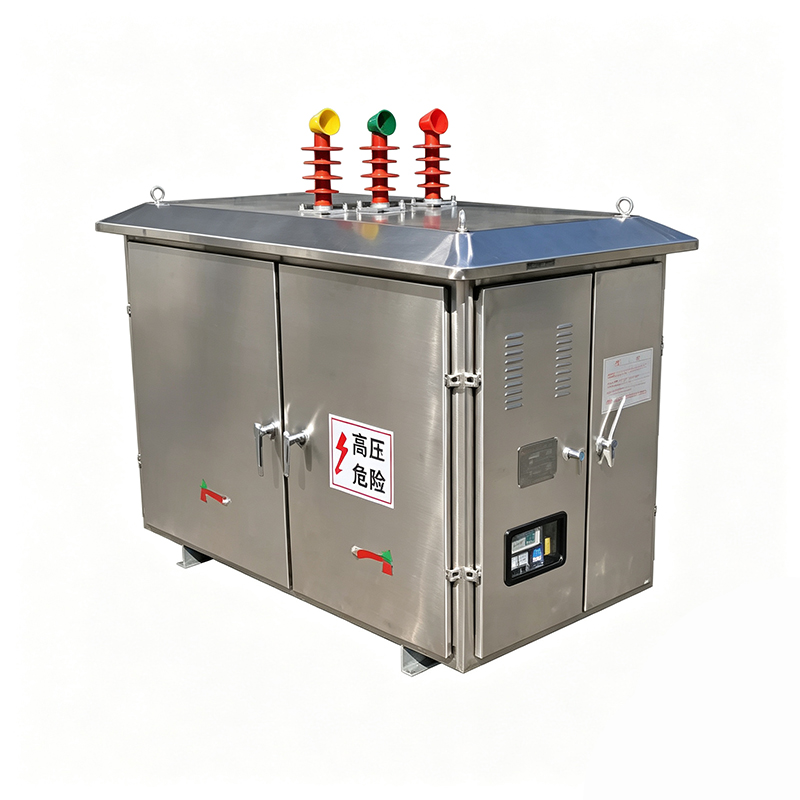
How Does HVAC Load Variation Affect Capacitor Bank Operation
HVAC demand changes naturally with operating conditions. Cooling requirements can rise or fall, compressors may cycle, and fans or pumps may operate at different levels.
Such changes influence reactive power demand. A Capacitor Bank designed around one operating condition may provide too little or too much compensation under another condition. Automatic banks address part of the issue by switching stages according to electrical demand.
Excessive fixed compensation can also create unwanted electrical conditions when inductive demand becomes light. Motor compensation therefore needs to be coordinated with how the motor is switched and how long it remains connected.
For individual motor applications, capacitor placement and switching arrangement deserve particular attention. Guidance on motor compensation notes that connection details can vary according to motor type and operating behavior, especially where motors start, stop, reverse, or operate under changing conditions.
What Role Does a Power Capacitor Factory Play in System Selection
A Power Capacitor Factory can be involved in supplying capacitor components or assemblies suited to different electrical applications. Selection still depends on information about the actual system.
For HVAC use, useful application information can include:
- Electrical supply conditions
- Type and number of motor loads
- Changes in operating demand
- Switching frequency
- Installation environment
- Presence of electronic equipment
- Available installation space
A general capacitor specification does not automatically make a component suitable for every HVAC system. Electrical conditions can vary between installations, even when similar types of equipment are involved.
Clear communication between system designers, maintenance personnel, and capacitor manufacturers can help connect component selection with actual operating requirements. The discussion should focus on the working environment rather than relying only on a product category or general material description.
How Can Capacitor Banks Affect Electrical System Capacity
A large HVAC installation can place a steady electrical load on a building, especially when several compressors, fans, and pumps operate at the same time. Reactive current forms part of the overall current moving through feeders and transformers, even though it does not directly provide the mechanical output of a motor.
A properly selected Capacitor Bank can supply part of the reactive demand close to the equipment. Less reactive current then needs to travel through upstream parts of the electrical system. Such an arrangement can make better use of available electrical capacity and may reduce unnecessary loading on cables, transformers, and distribution equipment.
Power factor correction should not be confused with a direct reduction in the useful power required by HVAC equipment. A compressor still needs energy to perform its intended work, while compensation mainly changes how reactive demand is supplied.
For building operators, the distinction is useful when evaluating electrical performance. A Capacitor Bank may support the distribution side of an HVAC installation without changing the basic mechanical work required by compressors or pumps.
What Problems Can Occur With Incorrect Capacitor Bank Selection
Adding capacitors without considering actual operating conditions can create new problems. A bank that supplies too much compensation during periods of light motor loading may not match the electrical condition of the installation.
Switching also deserves attention. HVAC equipment can start and stop at different times, while capacitor stages may connect or disconnect according to changing electrical demand. Poor coordination can produce unwanted changes in the electrical system.
Electronic equipment adds another consideration. Modern HVAC systems often contain electronic controls and variable‑speed equipment, which can introduce electrical waveform distortion. Capacitors can interact with such conditions, so system assessment needs to take place before compensation equipment is selected.
Potential concerns include:
- Excessive compensation during light loads
- Unnecessary switching activity
- Electrical stress during switching
- Interaction with harmonic‑producing equipment
- Heat around capacitor components
- Reduced service life under unsuitable operating conditions
A Capacitor Bank should therefore be viewed as part of the complete electrical system. Checking only the motor load does not provide enough information for a suitable arrangement.
How Do Modern HVAC Controls Change Capacitor Bank Requirements
Modern HVAC equipment does not always operate at one fixed level. Variable‑speed compressors, fans, and pumps can change their operating condition according to cooling demand, airflow requirements, or water circulation needs.
Such control methods can improve how equipment responds to changing building conditions, although they also create a more dynamic electrical environment. Reactive power demand may change along with motor operation, making fixed compensation less suitable in certain installations.
Automatic switching can respond to changing electrical conditions by adding or removing capacitor stages. Proper coordination matters because rapid load changes can cause frequent switching when the control arrangement is not matched to the HVAC operating pattern.
Electronic controls also require attention when capacitors are introduced. Electrical conditions created by power conversion equipment can interact with capacitive components, so engineers need to consider the entire installation rather than treating each device separately.
A useful assessment can include:
- How often motors start and stop
- How frequently operating conditions change
- Whether variable‑speed equipment is present
- How compensation stages are controlled
- Whether electrical distortion needs additional consideration
How Should Capacitor Banks Be Positioned in Large HVAC Systems
Location influences how reactive current moves through an electrical installation. Compensation placed close to an individual motor can reduce reactive current traveling through part of the feeder serving that motor. Group compensation can serve several related loads, while a central arrangement can support a wider section of the building distribution system.
Each approach has a different purpose.
Individual compensation A capacitor is associated with a particular motor, making the arrangement closely connected to that load.
Group compensation Several HVAC loads share a compensation arrangement, which can simplify the overall installation where operating patterns are reasonably compatible.
Central compensation A Capacitor Bank is installed near a main distribution point and responds to the combined electrical demand of a wider system.
For large HVAC installations, load behavior often determines which arrangement makes practical sense. Several motors operating independently may require a different approach from a group of motors that normally run together.
Installation space, access for maintenance, ventilation, switching equipment, and cable routing also need consideration. A technically suitable location still needs to be practical for inspection and servicing.
What Should Be Checked During Capacitor Bank Maintenance
Regular inspection can reveal physical changes before they develop into larger electrical concerns. Capacitor units, connections, switching parts, ventilation paths, and nearby surfaces should all receive attention during maintenance.
Signs such as unusual heat, swelling, leakage, damaged connections, or changes in appearance can indicate that further inspection is needed. Dust accumulation around electrical equipment can also interfere with heat removal, making a clean installation area useful for normal operation.
Maintenance work may include:
- Checking capacitor housings for visible changes
- Inspecting electrical connections
- Looking for signs of overheating
- Checking switching components
- Keeping ventilation paths clear
- Reviewing changes in system operation
- Investigating unusual sounds or smells
Electrical maintenance should be carried out with appropriate isolation and safety procedures. Capacitors can retain electrical charge after power has been removed, so safe discharge and verification are necessary before physical work begins.
How Can HVAC Operators Reduce Problems With Capacitor Banks
Good operation starts with matching compensation to the actual HVAC load. A bank that worked under one operating pattern may require reassessment when equipment, controls, or load behavior changes.
Maintenance teams can pay attention to changes in compressor operation, fan behavior, pump use, and capacitor switching. A noticeable change in one area may provide useful information about another part of the electrical system.
Simple maintenance habits can help:
- Keep electrical enclosures reasonably clean
- Check connections during scheduled service
- Watch for changes in capacitor appearance
- Review switching behavior after HVAC control changes
- Investigate repeated electrical abnormalities
- Coordinate capacitor checks with wider HVAC electrical maintenance
Replacing a capacitor without checking the reason for failure can leave the underlying problem unresolved. Heat, unsuitable operating conditions, switching issues, and electrical distortion may all require attention.
How May Capacitor Bank Use Change With HVAC System Design
HVAC systems are becoming more responsive to changing building conditions, with greater use of adjustable‑speed equipment and electronic controls. Such changes can make electrical demand less predictable than a system built around motors running at a fixed condition.
Future capacitor arrangements are likely to place greater attention on flexible compensation and coordination with HVAC controls. Automatic switching can respond to changing demand, while monitoring can provide more information about how the electrical system behaves during different operating conditions.
A Power Capacitor Factory may also need to consider a wider range of application requirements when developing capacitor components for HVAC use. Electrical conditions, switching behavior, installation environment, and interaction with modern equipment all influence component selection.
For engineers and maintenance teams, Capacitor Banks are best considered as part of the overall HVAC electrical arrangement. Motor loads, controls, distribution equipment, and compensation work together, so changes in one area can affect the others. Careful selection and regular inspection help keep that relationship under control as HVAC operating conditions change.
Recommended Products
The variety of models, to meet the development needs of various regions in the world.
Copyright © Shanghai Yongjin Electric Technology Co.,Ltd.

China Power Quality Solutions Supplier