


 English
 中文简体
中文简体 русский
 Español
 عربى
عربى
Industry News
How a Low Voltage Capacitor Supports Welding Equipment Operation
Welding equipment places changing electrical demands on a power supply during normal operation. The load may shift as the welding process starts, continues, pauses, or changes between different working conditions. Because of this, the electrical system around a welding machine needs to work in a coordinated way rather than treating the machine as a fixed load.
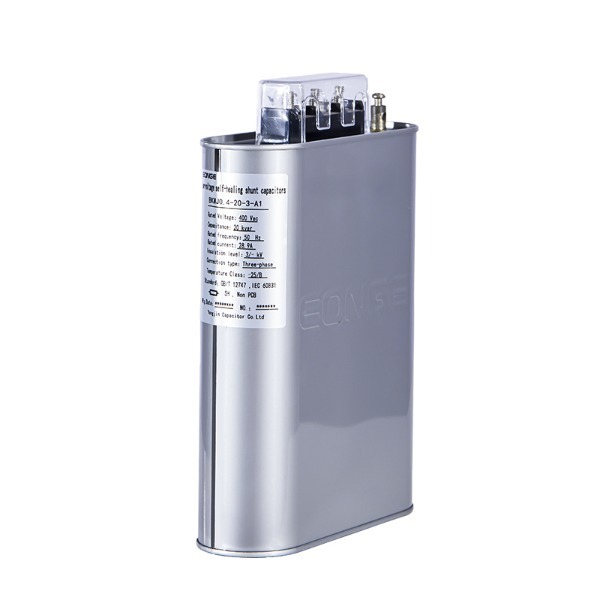
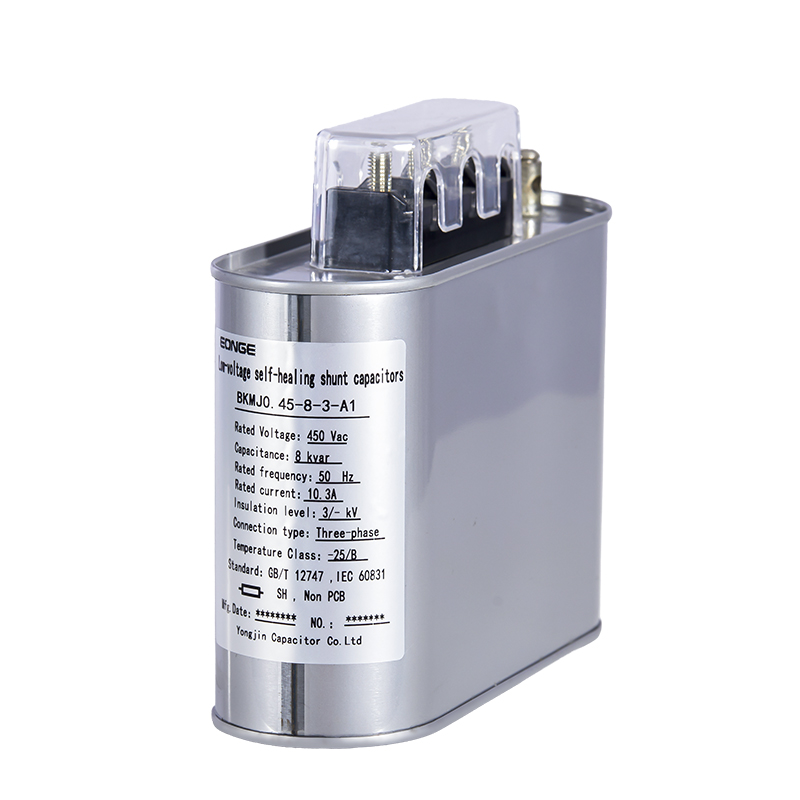
Capacitors can form part of that supporting system. A Low Voltage Capacitor is used in suitable low-voltage electrical installations to help manage reactive power and support the operating condition of connected equipment. Its role is not to control the welding process itself. Instead, it works on the electrical side, where changes in load can influence how power is drawn from the supply.
For welding workshops and equipment manufacturers, looking at the relationship between the welding load and the supporting electrical system can help clarify why capacitor selection, installation, and maintenance receive attention during equipment planning.
What Role Does a Low Voltage Capacitor Play in Welding Equipment
A welding machine converts electrical energy into the heat and working conditions required for joining metal. During operation, its electrical demand is influenced by the working process, equipment design, and connection to the power supply. The electrical load therefore does not always remain in the same state.
A capacitor can provide reactive power support within a suitable electrical system. In simple terms, it helps balance part of the reactive demand associated with certain electrical loads. The effect takes place on the supply side rather than at the welding point itself.
Several practical factors are connected with this role:
- The capacitor needs to match the electrical conditions of the system.
- Its connection should suit the way the welding equipment operates.
- The surrounding electrical components need to remain properly connected.
- Changes in equipment load may require the existing arrangement to be checked again.
The purpose is not to make the welding machine produce more heat or change the welding method. The focus is on how the electrical supply interacts with the equipment during operation.
This becomes more relevant when several machines operate within the same workshop. Their combined electrical demand can change as different machines start and stop. A suitable capacitor arrangement can therefore be considered as part of the wider power distribution system.
How Does Welding Equipment Create Changing Electrical Loads
A welding machine does not necessarily draw power in exactly the same way throughout its working cycle. The electrical demand can change with the welding operation, machine settings, material handling, and periods when the equipment is active or idle.
| Operating Condition | Electrical Consideration |
|---|---|
| Equipment startup | The supply needs to respond to the initial electrical demand |
| Active welding | The load changes according to the working process |
| Short operating pauses | Electrical demand can fall while other equipment remains connected |
| Equipment shutdown | The load changes again as the machine leaves operation |
| Multiple machines running | Combined loads can vary as machines work at different times |
Such changes matter because the supporting electrical system needs to respond to actual operating conditions. A capacitor arrangement selected without considering the working pattern may not correspond well with the equipment's real electrical demand.
The situation can become more noticeable in a workshop where welding machines share electrical distribution equipment with other machinery. One machine may begin welding while another is finishing a work cycle. Their electrical requirements can overlap for a period and then change again.
For that reason, capacitor planning should begin with an understanding of how the equipment is actually used. Looking only at the name of the machine or its basic function does not provide enough information about the electrical conditions surrounding it.
How Can a Low Voltage Capacitor Support Reactive Power Management
Reactive power is part of the electrical behavior of many alternating-current loads. It does not directly perform the useful work of welding, yet it is related to how certain electrical equipment interacts with the power supply.
A capacitor can supply reactive power within an electrical installation. When the arrangement is properly selected, part of the reactive demand associated with connected loads can be compensated locally. This can change the relationship between useful power and the total electrical demand seen by the supply.
For welding equipment, the practical consideration is coordination. The capacitor should not be treated as an isolated component. Its electrical characteristics, connection method, switching arrangement, and surrounding equipment all affect how it works within the system.
Several questions are useful during planning:
- Does the capacitor suit the voltage of the electrical system?
- Does its capacity correspond with the actual load condition?
- How does the welding equipment change during operation?
- Are several loads connected to the same distribution point?
- Can the capacitor arrangement respond appropriately when loads change?
A fixed arrangement may suit a relatively stable load pattern, while a changing workshop load may require a different approach. The important point is to consider the capacitor together with the operating pattern rather than selecting it separately.
Reactive power management also needs attention when equipment is modified. Adding welding machines, changing operating schedules, or connecting other electrical loads can alter the conditions under which the capacitor operates. A previous arrangement may therefore need inspection after a substantial change in the electrical system.
Why Does Power Factor Matter in Welding Equipment Operation
Power factor describes the relationship between useful electrical power and the total power drawn by an alternating-current system. When reactive demand is present, the supply may need to carry current that does not directly contribute to the useful welding work.
A suitable capacitor can help compensate for part of that reactive demand. The purpose is to bring the electrical demand closer to the useful power required by the equipment. The actual effect depends on the load and the way the electrical system has been designed.
For welding equipment, power factor needs to be considered alongside the working pattern. A machine that operates intermittently may create a different electrical condition from a machine that runs for long periods. Several machines operating together create another situation because their loads can overlap or separate during production.
Poor coordination can create practical concerns. An arrangement with insufficient compensation may leave reactive demand higher than intended. An arrangement with excessive compensation can also create an unsuitable electrical condition. Capacitor selection therefore needs to reflect the real operating environment.
The discussion also connects with maintenance. Power factor conditions can change when equipment ages, wiring is altered, or additional loads are connected. Regular electrical inspection helps determine whether the existing capacitor arrangement still matches the equipment around it.
As welding workshops become more dependent on coordinated electrical systems, capacitor selection is increasingly considered alongside equipment layout, operating schedules, and distribution planning rather than as a separate component decision.
How Does a Low Voltage Capacitor Bank Fit Into Welding Systems
A welding workshop may have several machines connected to the same electrical distribution system. Their working periods can overlap, or they may operate at different times. Such changes make the electrical load less predictable than a single machine working under one fixed condition.
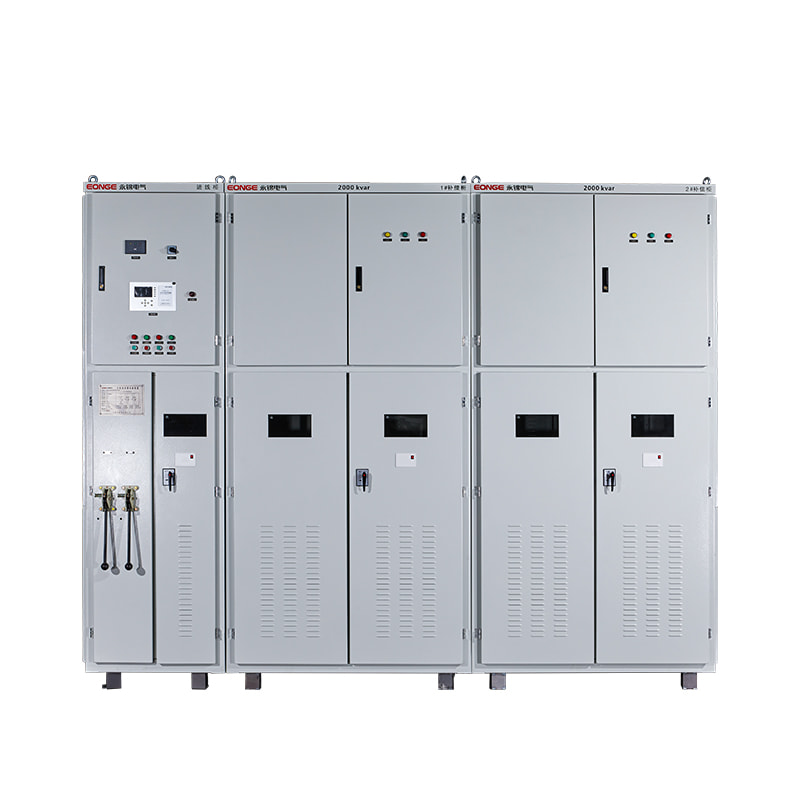
A Low Voltage Capacitor Bank provides a way to arrange several capacitor units within one electrical system. Instead of treating compensation as a single component, the units can be arranged according to the needs of the connected installation.
The arrangement needs to consider how the welding equipment is used. A workshop with changing loads may require a different configuration from one where electrical demand remains relatively steady. Connection points also matter because the location of the capacitor system affects how it interacts with the surrounding distribution equipment.
Several factors are worth checking during planning:
- The type and operating pattern of connected welding machines
- Changes in load during different working periods
- Available installation space
- Electrical connections between the capacitor system and distribution equipment
- Whether other machinery shares the same supply
The physical layout should also allow suitable access for inspection and maintenance. A capacitor system placed in a crowded electrical area may be harder to inspect when connections or components need attention.
What Electrical Conditions Should Be Considered Before Installation
Capacitor installation begins with the electrical conditions already present in the welding system. Voltage, load behavior, connection arrangement, and operating environment all influence the suitability of a selected component.
The rated voltage of the capacitor needs to correspond with the electrical system. Capacity also needs to relate to the reactive demand that requires compensation. Choosing a component without considering these conditions can create an unsuitable arrangement.
Installation location deserves attention as well. Welding areas can contain dust, metal particles, heat, and other conditions associated with production work. Electrical components should therefore be positioned and protected in a way that suits the surrounding environment.
Connection quality is another practical concern. Loose or poorly maintained connections can affect electrical operation and may create additional heat at connection points. Inspection should cover terminals, wiring, protective components, and the physical condition of the installation.
When a Low Voltage Capacitor is added to an existing welding system, the surrounding electrical arrangement should be reviewed as a whole. The capacitor is part of the power system, so its installation should correspond with the distribution equipment and the loads connected to it.
How Can Capacitor Configuration Affect Welding Equipment Operation
Capacitor configuration can influence how the electrical system responds to changing loads. The relationship is indirect: the capacitor does not perform the welding operation, while its electrical role can affect the condition of the supply serving the equipment.
A configuration that does not match the working pattern may create an imbalance between compensation and actual reactive demand. Changes in the number of machines operating at the same time can also alter the electrical condition.
For workshops with variable production activity, attention may be needed when machines are:
- Added to an existing production line
- Removed from regular operation
- Connected to a different distribution point
- Used for longer or shorter working periods
- Operated together with other electrical machinery
Such changes can alter the conditions under which the capacitor system operates. Checking the electrical arrangement after equipment changes helps keep the compensation system aligned with the current installation.
The relationship between the capacitor and welding equipment should also be considered during equipment selection. A machine may have different electrical characteristics from another machine even when both are used for welding. The supporting system therefore needs to reflect the actual equipment rather than relying only on a general equipment category.
What Maintenance Checks Help Keep Capacitor Systems Stable
Maintenance is closely connected with electrical safety and operating consistency. Capacitors and their associated components remain part of the power distribution system, so their condition can change over time through heat, vibration, dust, connection movement, or other environmental factors.
Routine inspection can include several simple areas:
- Check the external condition of capacitor units.
- Inspect terminals and cable connections.
- Look for signs of unusual heating or physical damage.
- Keep the surrounding area clean and accessible.
- Check protective devices and related electrical components.
- Investigate unusual sounds, odors, or changes in operation.
Inspection should follow the equipment manufacturer's requirements and the site's electrical safety procedures. Power should be isolated through the appropriate procedure before work is carried out on electrical components.
The condition of nearby welding equipment also matters. Changes in wiring, equipment arrangement, or operating conditions can affect the electrical environment around the capacitor system. Maintenance should therefore consider both the capacitor equipment and the connected loads.
Regular cleaning is useful where dust or production residue can accumulate around electrical equipment. However, cleaning methods need to suit the electrical enclosure and safety requirements rather than introducing moisture or other unwanted conditions.
How Should Capacitor Systems Be Coordinated With Welding Equipment
Coordination starts with the way welding equipment actually operates. Startup, active welding, pauses, and shutdown can create different electrical conditions. The capacitor system should be considered alongside those changes rather than treated as an independent installation.
A Low Voltage Capacitor Bank may be coordinated with the wider distribution arrangement so that compensation corresponds with the operating condition of connected loads. The exact configuration depends on the electrical design, equipment characteristics, and operating pattern.
For practical planning, attention can be given to three areas:
- Equipment side: Check the number of connected machines, their working patterns, and any changes in electrical demand.
- Distribution side: Review connection points, protective components, wiring, and available installation space.
- Maintenance side: Keep inspection access clear and monitor changes in both the capacitor system and welding equipment.
Such coordination also becomes relevant when production equipment is replaced or rearranged. A new machine can change the electrical load profile, even when the general production task remains similar. Reviewing the supporting system at that stage can help identify whether the existing arrangement still fits.
What Should Be Checked When Welding Equipment Conditions Change
Changes in welding equipment should be followed by a review of the related electrical system. Adding or removing a machine, changing its operating pattern, or modifying the distribution arrangement can affect reactive demand and the way compensation is applied.
The review can focus on:
- Current equipment connections
- Changes in working patterns
- Capacitor condition
- Connection points and wiring
- Protective equipment
- Installation environment
- Interaction between different electrical loads
A Low Voltage Capacitor Bank may need particular attention when several loads share the same distribution system. The operating condition can shift as machines are switched on or off, so the arrangement should correspond with the actual electrical requirements.
The same principle applies during equipment relocation. Moving a welding machine to another part of a workshop may change its connection to the electrical distribution system. The capacitor arrangement should then be checked against the revised configuration rather than assuming the previous setup remains suitable.
Good electrical planning connects equipment operation, load behavior, capacitor configuration, installation conditions, and maintenance work. When those elements are considered together, capacitor systems can form a practical part of the electrical support structure around welding equipment.

Recommended Products
The variety of models, to meet the development needs of various regions in the world.
Copyright © Shanghai Yongjin Electric Technology Co.,Ltd.

China Power Quality Solutions Supplier