


 English
 中文简体
中文简体 русский
 Español
 عربى
عربى
Industry News
Which Industries Use High Voltage Capacitors Most Frequently
A capacitor used in a high-voltage system is rarely selected simply because the equipment carries a high voltage. Its actual role depends on what the equipment needs to do with electrical energy during operation. Some systems need temporary energy storage, while others need support during changes in electrical load or help with the way power moves through the equipment.
That is why the same type of component can appear in very different industries. Power equipment, industrial machinery, renewable energy systems, and electrical transportation may have very different structures, yet they can share similar requirements around voltage, installation space, heat, and operating conditions.
Why Do Some Industries Need High Voltage Capacitors?
Electrical equipment does not always receive or use power in a perfectly steady manner. A machine may start, stop, change its operating condition, or pass electrical energy from one part of a system to another. During these changes, a capacitor can provide a place for electrical energy to be stored temporarily and released when required by the circuit.
The need becomes more noticeable in equipment working with higher electrical loads. The capacitor has to work as part of a larger electrical arrangement rather than as an isolated component. Its size, construction, insulation, connection method, and operating environment all have a bearing on whether it fits the equipment.
Several practical questions usually appear during selection:
- What voltage does the equipment operate with?
- Is the equipment running continuously or only at certain times?
- How much space is available for installation?
- Will the component be exposed to heat, moisture, dust, or vibration?
- Does the equipment require easy access for inspection or replacement?
The working environment can be just as important as the electrical requirements. A component installed inside a controlled electrical cabinet faces different conditions from one placed near outdoor power equipment. Heat can affect materials, while dust and moisture can create additional concerns around insulation and connections.
For this reason, industry use cannot be judged by voltage alone. The equipment's operating pattern and physical surroundings also influence the choice.
Which Power Industry Applications Use Them?
Power generation and electrical distribution are natural application areas because electrical energy has to move through equipment before reaching its intended destination. Different parts of the system can have different electrical requirements, creating situations where capacitors are used for energy storage, power adjustment, or electrical support.
Generation equipment may operate for long periods, making steady operation an important consideration. Distribution equipment has another concern: components may need to remain functional while exposed to changing loads and outdoor conditions.
Installation location can make a noticeable difference. Indoor electrical equipment may have a relatively controlled environment, while outdoor equipment can experience changes in temperature, moisture, dust, and weather. The surrounding enclosure and ventilation therefore become part of the selection process.
Maintenance also needs to be considered at the equipment level. A capacitor that is difficult to access may require more preparation when inspection or replacement is needed. Clear identification, suitable connections, and accessible installation positions can make routine work easier.
In power-related applications, attention commonly goes to:
- electrical compatibility with the surrounding equipment
- insulation and connection condition
- available installation space
- heat management
- accessibility during maintenance
- suitability for the expected operating environment
The role of the capacitor is therefore closely connected with the wider design of the electrical system. Choosing a component without considering the surrounding equipment can create practical problems even when its basic electrical rating appears suitable.
How Are High Voltage Capacitors Used in Industrial Equipment?
Industrial machinery creates another group of applications. Factories often contain equipment that handles substantial electrical loads, and many machines do not operate at one fixed condition throughout the working day.
Motors may start and stop during production. Electrical equipment may switch between different operating states. Heating systems and other power-consuming machinery can also place changing demands on the electrical system.
A capacitor can form part of the electrical arrangement used around such equipment. Its exact role depends on the machine design, so there is no single application pattern across industrial facilities.
The physical environment creates another layer of consideration. Production areas may contain dust, vibration, heat, moisture, or frequent movement of nearby machinery. A component intended for a clean electrical room may therefore not be suitable for a harsher installation location without appropriate protection.
Industrial maintenance teams also tend to consider how easily a component can be checked. Equipment that runs for long periods may have limited maintenance windows. Clear wiring, sensible placement, and compatibility with existing equipment can reduce unnecessary work during servicing.
A practical selection process may begin with the machine rather than the capacitor itself. Questions about the machine's operating cycle, electrical load, available space, and surrounding conditions provide a clearer starting point.
This approach also helps prevent a common mistake: assuming that equipment in the same industry will always require the same type of component. Two factories may manufacture different products and use very different machinery. Their electrical requirements can therefore vary considerably.
Where Do They Fit Into Renewable Energy Systems?
Renewable energy equipment introduces another type of working environment. Solar and wind systems convert naturally changing energy sources into electrical power, so the electrical equipment connected to them needs to handle changing operating conditions.
In solar installations, electrical components may be exposed to outdoor heat, moisture, dust, and changing levels of sunlight. Wind equipment has its own environmental concerns, including vibration and movement. The electrical components inside these systems must therefore be considered together with their installation conditions.
A capacitor can be used within the electrical sections responsible for managing and transferring power. Its function depends on the design of the particular system, but the basic selection questions remain familiar: voltage compatibility, physical size, operating conditions, heat, insulation, and maintenance access.
| Application Area | Main Operating Concern | Selection Consideration |
|---|---|---|
| Power equipment | Long operating periods | Electrical compatibility and maintenance access |
| Industrial machinery | Changing machine conditions | Load pattern and surrounding environment |
| Solar equipment | Outdoor exposure | Heat, moisture, dust, and installation space |
| Wind equipment | Movement and vibration | Mechanical conditions and component placement |
As renewable energy equipment becomes more varied in design, the same basic component can appear in different locations and perform different supporting functions. Understanding the surrounding system is therefore more useful than judging the component by its name alone.
This leads naturally to another group of applications: electrical transportation and specialized equipment, where limited space, movement, and changing operating conditions create their own requirements.
Why Are High Voltage Capacitors Relevant to Transportation Equipment?
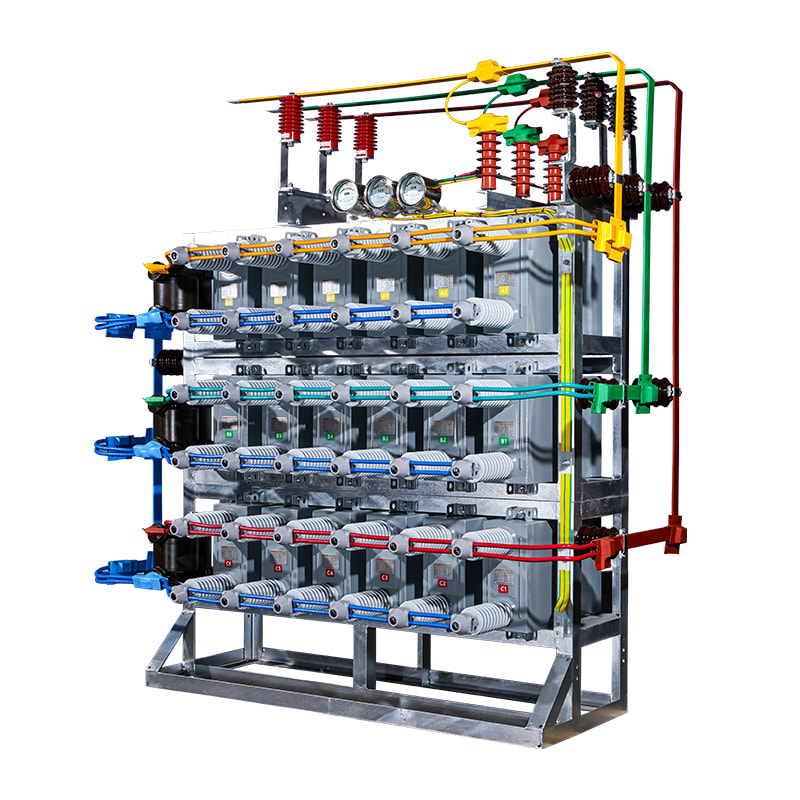
Electrical transportation equipment has a different set of physical demands. Power-related components may need to work within limited installation spaces while the surrounding equipment is moving, starting, stopping, or changing its operating condition.
Rail transportation is one example. Electrical equipment may be installed in compact areas where access is not always convenient. Components have to fit the available space while remaining compatible with the surrounding electrical system. Vibration also becomes part of the practical consideration because equipment is exposed to movement during operation.
Other electrically powered transportation equipment can face similar issues. The electrical system may need to respond to changes in power demand while the equipment itself is subject to movement and repeated operating cycles.
The installation position matters here. A component mounted close to other heat-producing equipment may experience different conditions from one placed in a better-ventilated area. Nearby wiring and structural parts can also affect how much room is available for maintenance.
Transportation applications therefore require attention to several factors at the same time:
- available installation space
- vibration and movement
- surrounding temperature
- connection arrangement
- accessibility for inspection
- compatibility with the existing electrical system
A suitable component has to fit the actual equipment rather than simply match the general category of transportation. A rail system, an electrically powered machine, and stationary charging equipment can have very different internal layouts.
What Role Do They Play in Testing and Specialized Equipment?
Testing equipment creates another type of application. Electrical testing systems may need to produce, hold, or control electrical energy under specific working conditions. Components used in such equipment have to work together with the rest of the test setup.
In a testing environment, repeatability matters because the equipment may be used for different inspection tasks. The capacitor is only one part of the arrangement, so its electrical characteristics, physical size, connections, and installation position need to fit the complete system.
Specialized equipment can also have unusual space limitations. A test cabinet may contain several electrical components close together, leaving little room for unnecessary movement or complicated wiring. Easy access can become important when inspection or replacement is required.
The surrounding environment should not be overlooked. Laboratory-style equipment may operate in a relatively controlled room, while industrial testing equipment can be located near production machinery. The same basic component may therefore need different protective arrangements depending on where it is installed.
This is one reason application information is useful when selecting a capacitor. A supplier working only from a product name may not have enough information to judge whether a particular configuration fits the intended equipment.
How Does Industry Affect Capacitor Selection?
Industry provides a useful starting point, but it does not provide the complete answer. Two businesses in the same field may use different machines, electrical layouts, and installation conditions. Their component requirements can therefore be quite different.
The selection process usually becomes clearer when the actual equipment is considered first.
Electrical requirements come first, including the working voltage and the way the component connects with the surrounding circuit. Physical requirements follow. Available space, mounting position, cooling conditions, and access for maintenance can all influence the suitable design.
Operating habits also matter. Equipment that remains active for long periods has different demands from machinery that operates in short cycles. Repeated starting and stopping may also affect how the electrical system behaves.
Environmental conditions should be considered at the same time. Heat, moisture, dust, and vibration may not appear equally in every application.
A simple checklist can help organize the information:
- Identify the equipment where the capacitor will be installed.
- Confirm the electrical requirements provided by the equipment design.
- Check the available installation space and connection position.
- Consider temperature, moisture, dust, and vibration.
- Review how the equipment operates during normal use.
- Confirm inspection and maintenance access.
This method keeps the selection tied to actual working conditions. It also makes communication easier when different people are involved in equipment design, purchasing, installation, and maintenance.
What Should Buyers Consider When Choosing a Supplier?
Choosing a High Voltage Capacitor Supplier involves more than checking whether a product name appears to match the intended application. Clear technical communication is useful because small differences in equipment design can affect component selection.
The information shared with a supplier should describe the application as clearly as possible. Equipment type, installation position, operating conditions, connection requirements, and available space can provide a much clearer picture than a general industry description.
Documentation is another practical consideration. Product specifications, installation information, handling guidance, and inspection details can help purchasing and engineering teams compare whether a component fits their equipment.
Communication should also cover questions that may arise after delivery. For example, the installation team may need clarification about mounting, connections, storage, or inspection. Having clear product information available can reduce unnecessary uncertainty during these stages.
For industrial buyers, several points are worth checking together:
- whether the proposed component matches the equipment requirements
- whether the physical dimensions suit the installation space
- whether the connection method fits the existing design
- whether the operating environment has been considered
- whether product documentation is available
- whether technical questions can be communicated clearly
A supplier's role is therefore closely connected with the application itself. The purchasing decision becomes more practical when the discussion starts with how the component will be used rather than focusing only on a product label.
Across power equipment, industrial machinery, renewable energy systems, transportation equipment, and testing systems, the reasons for using capacitors can differ. The common point is the need to match the component with the electrical system, physical environment, and operating pattern. That relationship provides a more useful basis for selection than industry category alone.

Recommended Products
The variety of models, to meet the development needs of various regions in the world.
Copyright © Shanghai Yongjin Electric Technology Co.,Ltd.

China Power Quality Solutions Supplier