English
 中文简体
 русский
 Español
 عربى
Industry News
Home / News / Industry News / What Makes Cable Joint Heat Shrink Reliable Against Moisture and Electrical Stress?
Cable joints—those connection points in electrical distribution networks. They have to keep power flowing and insulation intact while dealing with moisture, temperature swings, mechanical movement, electrical stress. When a joint fails, you're looking at insulation breakdown, outages, equipment damage, expensive repairs. Cable Joint Heat Shrink systems protect these connections using heat-recoverable tubing, sealing materials, and stress-control components. Reliability depends on material quality, system compatibility, correct installation, compliance with the application requirements.
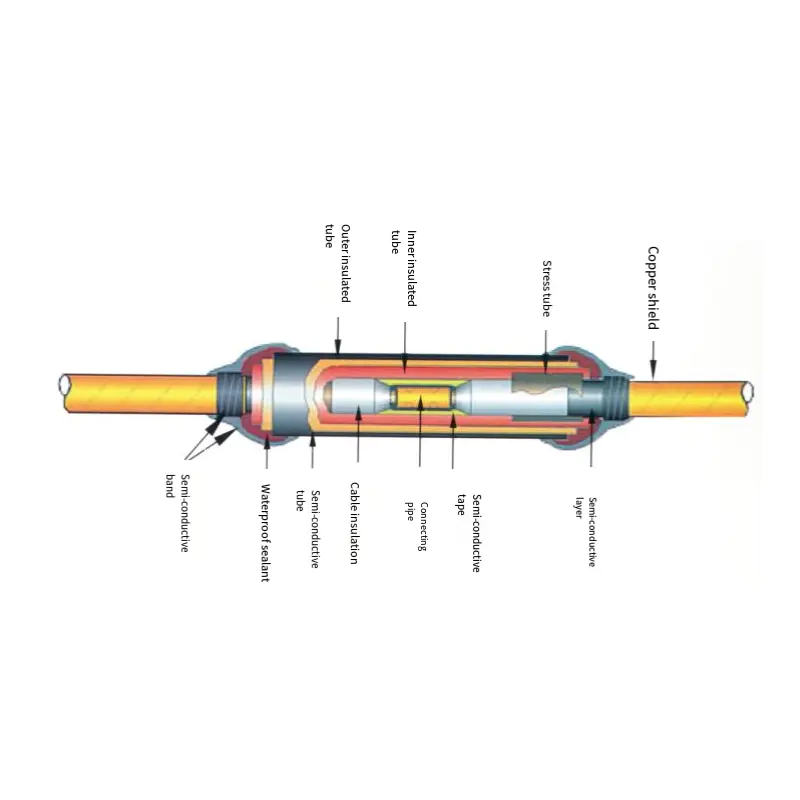
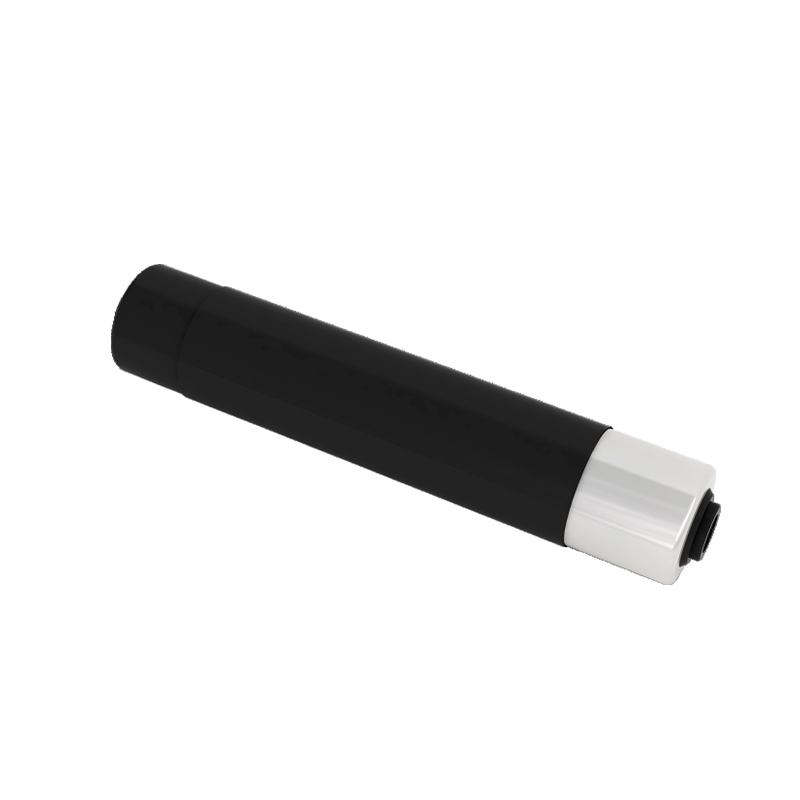
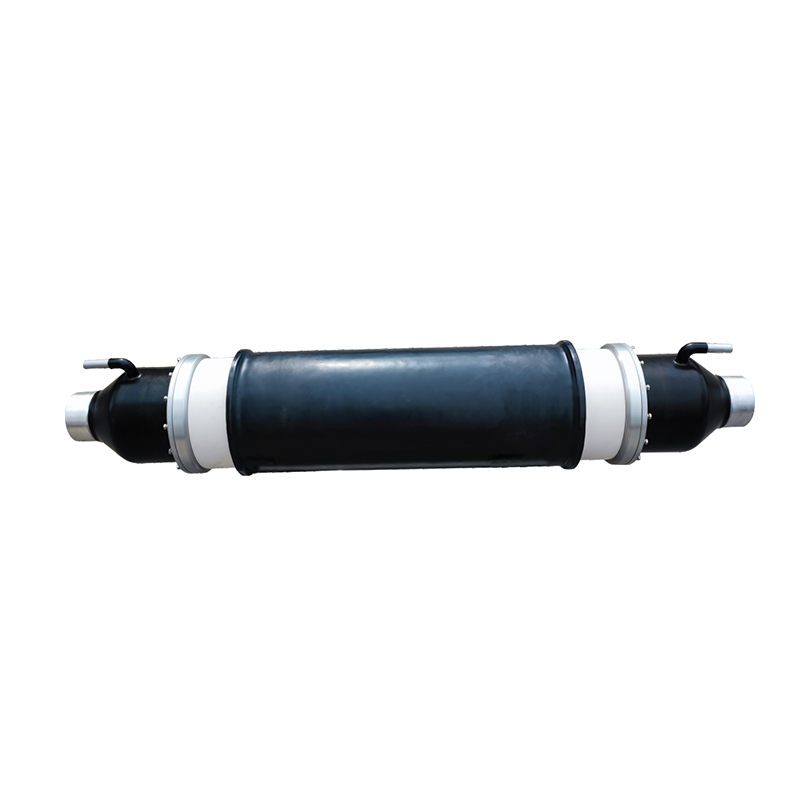
Heat shrink cable joints use polymer components that shrink when heated. During installation, technicians position the parts over the prepared connection and apply heat per the manufacturer's instructions. The tubing contracts around the underlying components, creating an insulating layer. Adhesive-lined products also seal interfaces between tubing and cable surfaces, helping keep moisture and contaminants out.
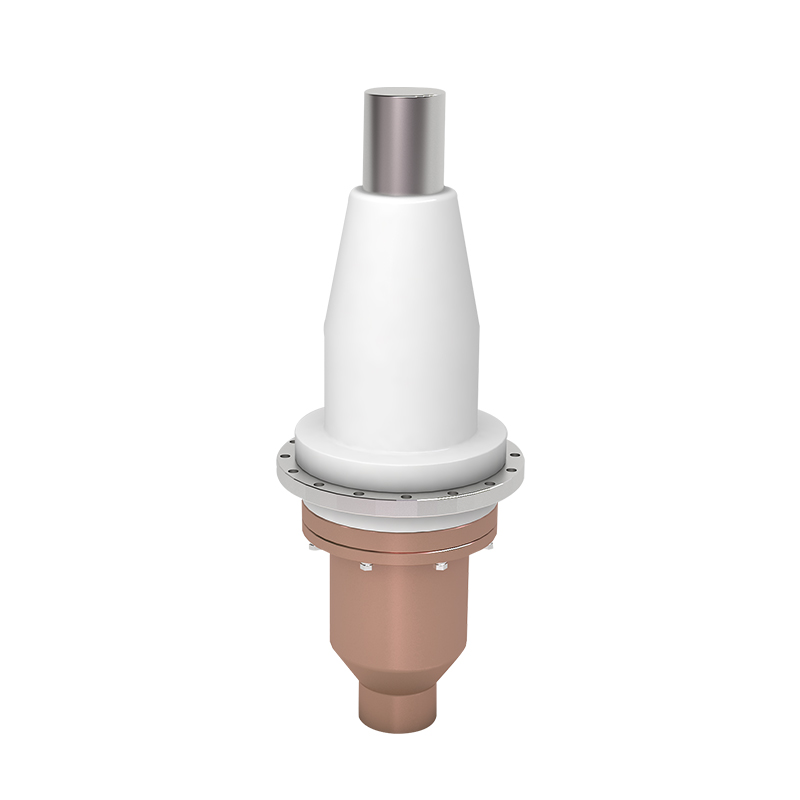
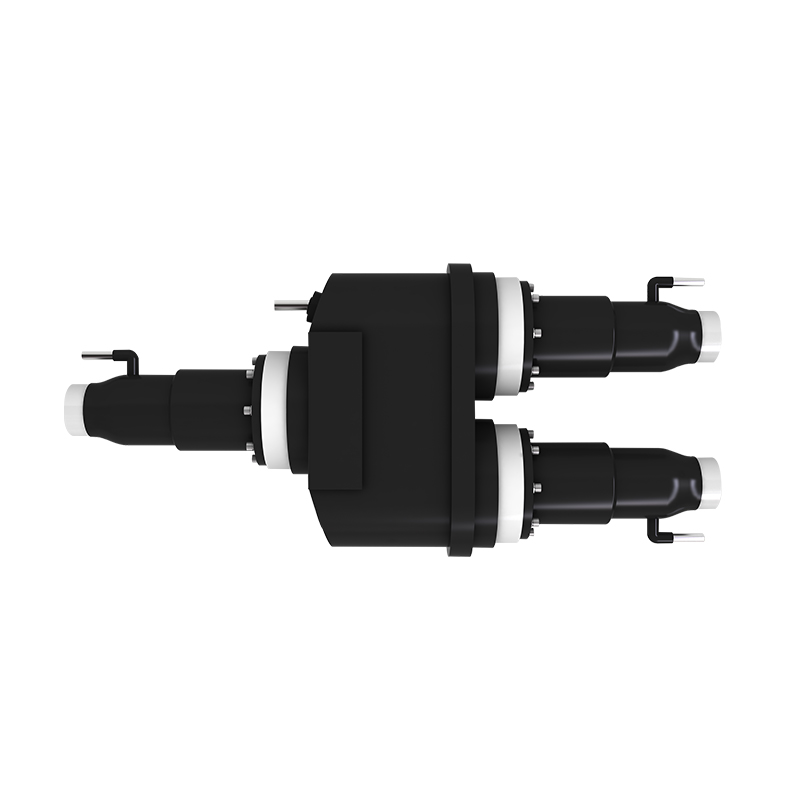
Depending on voltage rating and cable construction, a complete kit might include insulation tubing, stress-control parts, conductive or semiconductive components, sealants, an outer protective layer. These work together to restore electrical and environmental protection. But basic heat shrink tubing doesn't automatically provide everything needed for medium-voltage or high-voltage joints. The complete assembly has to be designed and tested for the specific cable system.
Water gets into a cable joint through damaged outer sheaths, poorly sealed interfaces, installation defects. Depending on cable design and exposure, moisture contributes to corrosion, insulation deterioration, reduced reliability. Good heat shrink systems tackle this in a few ways.
Moisture resistance depends on the whole joint assembly, including seals at cable interfaces. Even high-quality materials fail if the cable surface is contaminated, tubing is positioned wrong, or the heating procedure isn't followed. For underground, outdoor, or high-humidity installations, check documented environmental performance. A general waterproof claim doesn't establish suitability for every immersion depth or exposure duration.
Stress is the other thing that kills joints. At a cable joint, changes in conductor geometry and the termination of the cable's conductive screen create localized electric-field concentrations. Left uncontrolled, these increase the risk of partial discharge and progressive insulation deterioration.
Medium-voltage and high-voltage Cable Joint Heat Shrink systems may include dedicated stress-control tubing or other engineered components to manage the electric field around critical transitions. These components must match the cable's voltage class, insulation dimensions, screen construction. Positioning matters just as much. Wrong stripping dimensions, unsuitable components, poor installation—they compromise electrical performance even when materials meet specs. Select a complete, compatible joint kit. Make sure installation follows approved procedures.
A dependable joint maintains insulation, sealing, mechanical integrity throughout service conditions. Different materials contribute different functions.
| Component or property | Primary function | Reliability benefit |
|---|---|---|
| Insulating heat shrink tubing | Restores electrical insulation | Helps maintain dielectric separation |
| Adhesive-lined tubing | Seals interfaces around cable components | Reduces potential moisture pathways |
| Stress-control components | Manage electric-field concentrations | Support reliable insulation performance |
| Protective outer sheath | Shields the joint from environmental exposure | Helps resist moisture, abrasion, and contamination |
| Flexible polymer materials | Accommodate specified dimensional changes | Help maintain coverage during thermal cycling |
| Compatible sealing compounds | Protect gaps and cable interfaces | Reduce opportunities for moisture ingress |
Material selection should account for continuous operating temperature, short-circuit temperature limits, environmental exposure, compatibility with cable insulation and outer sheath. Thermal cycling deserves attention. Conductors expand as they heat, contract as they cool. Joint materials must accommodate that movement within design limits without losing sealing or insulation coverage.
Manufacturers and utility operators use qualification testing and quality control to assess performance. Specific requirements depend on voltage rating, cable construction, installation conditions, applicable standards.
Important evaluations:
For medium-voltage and high-voltage applications, request qualification reports relevant to the exact joint design and intended cable configuration. Verify applicable IEC, IEEE, or national requirements for the product's voltage class and market. Test results must be interpreted within their stated conditions. Passing a qualification test doesn't eliminate risks from incorrect installation, physical damage, unsuitable operating environments.
Even a well-engineered heat shrink joint underperforms when procedures aren't followed. Common risks: incorrect insulation stripping, contaminated cable surfaces, uneven heating, incomplete tubing recovery, poorly sealed interfaces.
Before installation, confirm cable dimensions, connector compatibility, kit identification, environmental conditions. Cable surfaces must be prepared per manufacturer instructions. Use appropriate heating equipment. After installation, inspect for complete recovery, secure sealing, visible damage, other irregularities. Electrical testing and commissioning checks should follow project specs and safety procedures.
Procurement teams should also evaluate installation documentation, component traceability, technical support, availability of qualified installers. These factors reduce avoidable failures and support consistent field performance.
Reliable cable joint protection combines effective moisture sealing, appropriate electrical stress control, durable materials, verified compatibility with the cable system. Review voltage ratings, environmental suitability, qualification reports, installation requirements, maintenance considerations before selecting a product. For critical electrical infrastructure, engineering assessment and documented test evidence provide a sound basis for procurement. Match the joint kit to the application and ensure correct installation—that's how you maintain dependable connections throughout the intended service life.
The variety of models, to meet the development needs of various regions in the world.
Copyright © Shanghai Yongjin Electric Technology Co.,Ltd.

China Power Quality Solutions Supplier