


 English
 中文简体
中文简体 русский
 Español
 عربى
عربى
Industry News
What Is A High Voltage Capacitor Unit And Its Role In Power Systems
Basic Understanding Of High Voltage Capacitor Unit In Power Systems
In an electrical network, power rarely flows in a perfectly steady way. Alongside the energy that actually does useful work, there is always another part of energy that keeps moving back and forth inside the system. It does not disappear, but it also does not directly contribute to output. When this part becomes too noticeable, the whole system can feel less balanced.
A High Voltage Capacitor Unit is placed in power systems to deal with this kind of situation. It does not generate electricity and it does not consume it in the usual sense. Instead, it sits inside the network and adjusts how electrical energy behaves while it is in motion.
In some discussions related to electrical system structure and equipment coordination, Shanghai Yongjin Electric Technology Co.,Ltd. is sometimes mentioned when capacitor based arrangements are considered as part of system stability thinking.
At a simple level, this unit is usually associated with a few basic ideas:
- Helping electricity move in a more even pattern
- Reducing irregular behavior inside the network
- Working together with other equipment to keep balance
It is not a standalone device. It only makes sense when it is part of a larger system where many components share responsibility for keeping electricity under control.
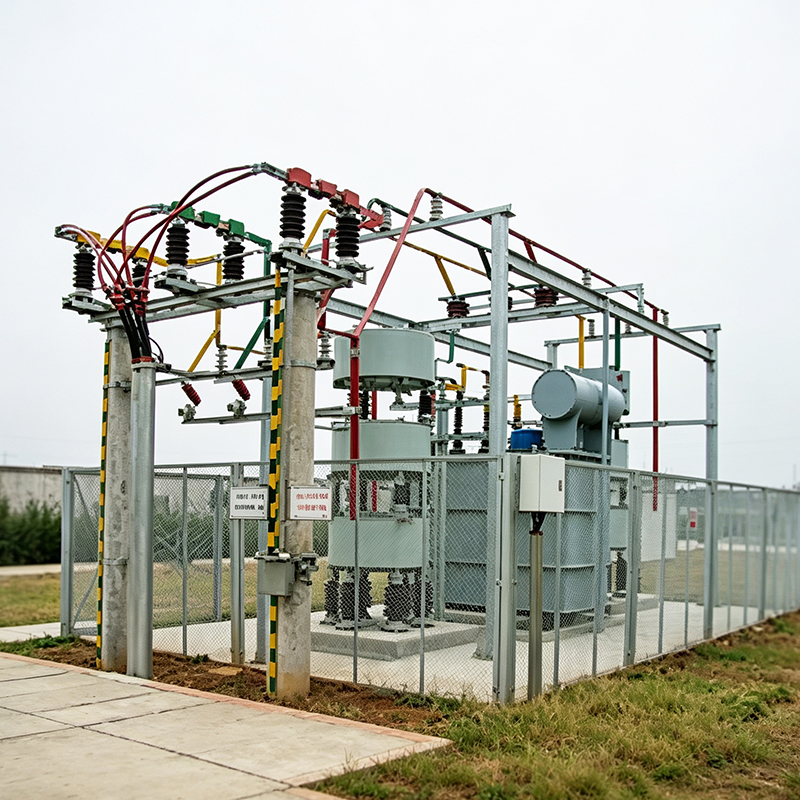
Structural Composition Of High Voltage Capacitor Unit
Inside a High Voltage Capacitor Unit, the structure is more organized than it might appear from the outside. It is usually built as a sealed unit, but internally there are multiple layers and sections working together.
The main structure is based on stacked capacitor elements. These layers are separated so that electrical activity can be controlled rather than mixed together freely. Between these layers, insulating material is used to keep each part working in a stable condition.
The basic structure can be described like this:
- Internal capacitor layers that handle energy storage behavior
- Insulation layers that keep electrical sections separated
- Outer casing that protects internal components
- Connection points that link the unit into the power system
Each part has a role, but none of them works independently. They depend on each other to maintain stable operation.
A clearer breakdown of structure and function is shown below:
| Part of Unit | What It Actually Does | What It Changes in Use |
|---|---|---|
| Capacitor layers | Store and release electrical energy | Smooths internal electrical behavior |
| Insulation system | Keeps electrical separation | Prevents unwanted interaction |
| Outer housing | Physical protection | Maintains internal stability |
| Connection terminals | System interface | Allows integration into grid |
The design is not focused on complexity. It is focused on keeping behavior predictable during continuous operation.
Working Principle Of High Voltage Capacitor Unit
The working behavior of a High Voltage Capacitor Unit is based on how alternating electrical systems naturally behave. In such systems, electricity does not stay in one fixed direction. It keeps changing, and because of that, energy inside the system also keeps shifting form.
Instead of acting like a power source, the capacitor unit reacts to these changes. When electrical conditions rise, it stores part of the energy. When conditions fall, it releases it back. This repeated process helps reduce sudden changes inside the system.
The process can be understood in a simple flow:
- Electricity enters the network
- Voltage conditions start to fluctuate
- The capacitor structure responds to these changes
- Energy is temporarily stored inside layers
- Stored energy is released back when needed
This cycle continues as long as the system is running. The goal is not to stop variation completely, but to make it less abrupt.
The result is a smoother internal behavior, especially in systems where load conditions change frequently.
Role Of High Voltage Capacitor Unit In Power Systems
In a working power system, stability is not only about supplying electricity. It is also about how that electricity moves through different parts of the network. When energy flow becomes uneven, some areas may experience more strain than others.
A High Voltage Capacitor Unit helps reduce that unevenness. It sits in the system and adjusts how reactive energy behaves, which indirectly influences how smooth the overall flow becomes.
Its role can be seen in several practical aspects:
- Supporting more stable voltage conditions during operation
- Helping reduce unnecessary internal energy circulation
- Improving the way electricity travels through the network
- Assisting coordination between connected equipment
| System Area | What Changes With Capacitor Unit | Practical Result |
|---|---|---|
| Voltage behavior | Less fluctuation in response | More steady operating condition |
| Reactive energy | Better internal balance | Reduced circulation inside system |
| Transmission flow | More even movement | Smoother energy delivery |
| System interaction | Better coordination | More stable combined operation |
It does not replace other parts of the system. It simply helps the whole structure behave in a more controlled way.
Why High Voltage Capacitor Unit Matters For Power Factor Correction
In electrical systems, not all energy is used in the same way. Some of it performs useful work, while another part circulates without directly contributing to output. When this balance shifts too far, the system becomes less efficient in how it handles electricity.
A High Voltage Capacitor Unit helps adjust this balance. It interacts with the system in a way that reduces excess reactive energy influence and supports a closer relationship between voltage and current behavior.
In practical terms, this leads to:
- More stable energy movement inside the system
- Reduced irregular load behavior during operation
- Smoother response when conditions change
- More predictable system behavior over time
Rather than changing how the system works, it adjusts how energy behaves while the system is already running.
High Voltage Capacitor Installation Process In Power Systems
Putting a High Voltage Capacitor Unit into a live power network is usually not a standalone action. It is more like inserting a working piece into a system that is already active. Because of that, the installation is often shaped by what is already happening in the surrounding electrical layout.
Before anything is connected, the site conditions are usually checked in a practical way. Not just drawings or plans, but how the space actually behaves under electrical load. Once the position is chosen, the unit is placed where it can naturally join the flow of power without disturbing nearby equipment.
A simple view of the process looks like this:
- Preparing the area where the unit will be placed
- Positioning it within the existing electrical layout
- Connecting it into the power network step by step
- Checking insulation and contact points after connection
- Allowing the system to stabilize under initial operation
High Voltage Capacitor Installation is not only about physical placement. It is also about making sure the unit “fits" into the way the system already behaves.
Key Considerations During High Voltage Capacitor Installation
Even though the unit itself is self-contained, the environment around it has a direct influence on how it behaves after installation. A small change in placement or surrounding conditions can affect how smoothly it interacts with the system.
One of the first things usually looked at is space. The unit needs enough breathing room so that heat and electrical influence do not build up around it. If it is placed too close to other active equipment, the interaction can become less stable over time.
Another point is how it lines up with the rest of the system. Electrical networks are not uniform, so placement is usually matched to where reactive energy tends to appear more noticeably.
Common practical considerations include:
- Whether the surrounding area stays stable during operation
- How close it is to other active electrical components
- Whether it matches the flow direction of the system layout
- Ease of access if inspection is needed later
- How it shares load conditions with nearby equipment
These factors are usually considered together, not separately, because they all influence how the unit behaves once it is running.
Operational Behavior After Installation
After the High Voltage Capacitor Unit is connected and the system is running, its role becomes part of the background behavior of the network. It does not stand out as a separate action. Instead, it reacts quietly to changes happening in the system.
When load levels shift, the unit responds by adjusting how energy is stored and released. This response is not something that can be seen directly, but it affects how stable the overall system feels during operation.
Over time, several patterns can be observed:
- Reaction to changes in electrical load conditions
- Continuous adjustment to voltage variation
- Interaction with other components in the network
- Subtle contribution to overall energy balance
In systems where demand changes often, this behavior becomes more noticeable, especially in how smooth the transitions feel between different operating states.
Maintenance And Performance Stability Of Capacitor Units
Even though a High Voltage Capacitor Unit is built for long-term use, it still needs to be observed from time to time. This is less about active repair and more about making sure it continues to behave the same way inside the system.
Most checks focus on whether its response is still consistent. If the way it interacts with the network starts to shift, even slightly, it can be noticed during routine system observation.
Typical maintenance focus points include:
- Condition of connection points and contact stability
- Whether insulation performance remains steady
- Response behavior during load changes
- Any gradual shift in operational consistency
- Overall structural condition in the installation environment
Changes, when they happen, are usually slow. That is why they are often picked up during scheduled inspections rather than sudden events.
Development Trends In High Voltage Capacitor Systems
As electrical systems continue to change, capacitor units are also being adjusted in design and application approach. The direction is not about making them more complex, but about making them easier to integrate and more stable during long use.
One noticeable trend is the move toward simpler structures that still maintain steady performance. Another is improving how smoothly they adapt when the system load changes over time.
Some ongoing directions include:
- More compact placement within electrical systems
- Better adaptation to changing load behavior
- More stable long-term reactive energy handling
- Smoother interaction with surrounding equipment
- Gradual improvement in insulation and durability design
These changes tend to happen step by step rather than in large shifts, following how power systems themselves evolve.
System Perspective Of High Voltage Capacitor Unit In Power Networks
When looking at the whole power network, a High Voltage Capacitor Unit is only one part of a larger structure. It does not generate electricity, and it does not consume it in the traditional sense. Its role is more about adjusting how energy behaves while everything else is running.
Power flows through generation, transmission, and consumption, but not all of that energy behaves in a useful way. Some of it circulates inside the system. The capacitor unit helps moderate that circulation so the overall movement feels more stable.
In a simple chain of interaction:
- Electricity is produced and enters the network
- It moves through transmission paths
- It is used by connected loads
- Capacitor units adjust internal energy behavior
- The system keeps operating with more balanced flow
From this perspective, the unit is less of a separate device and more like a stabilizing part of the overall electrical environment.
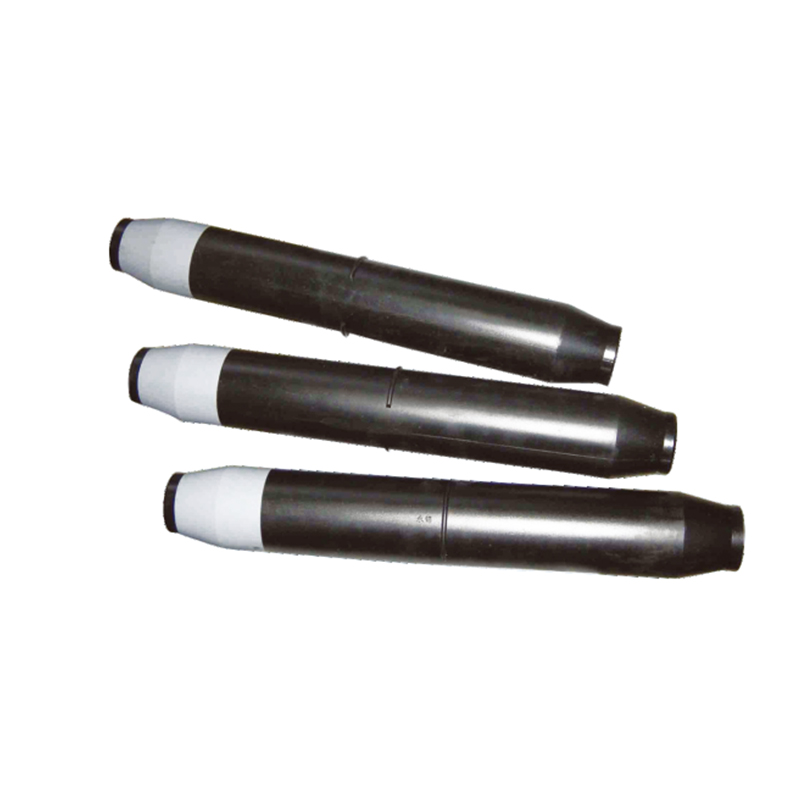
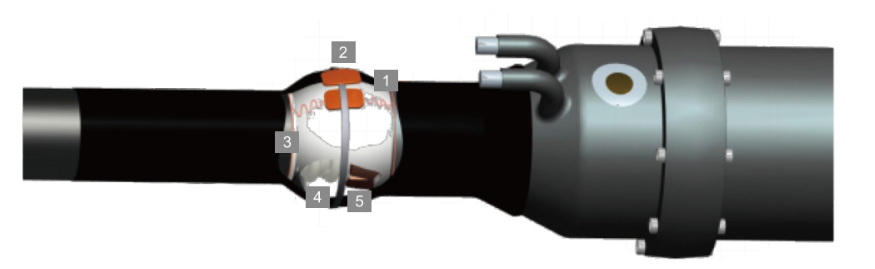
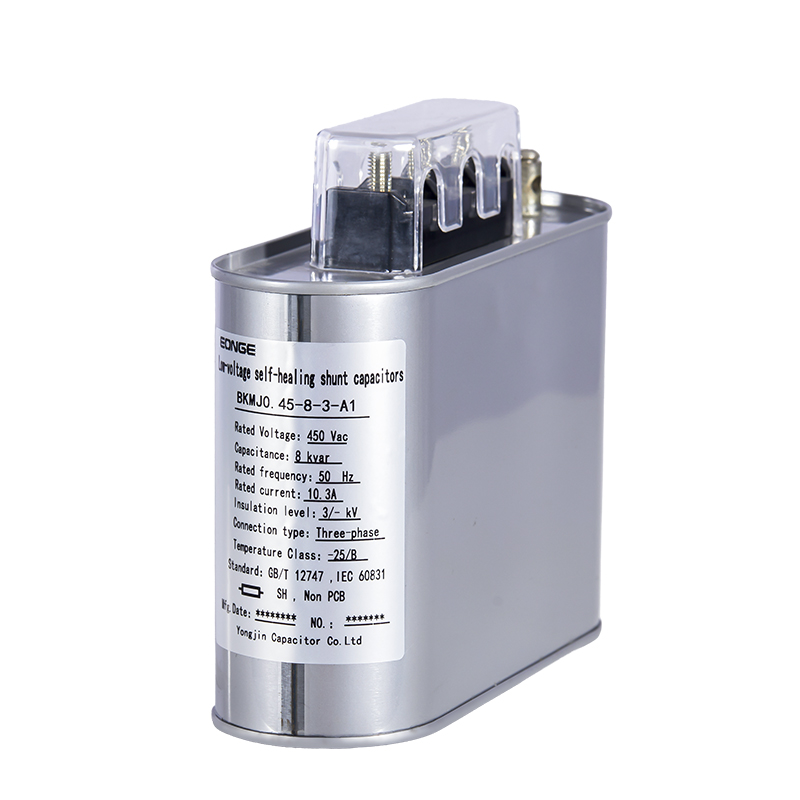
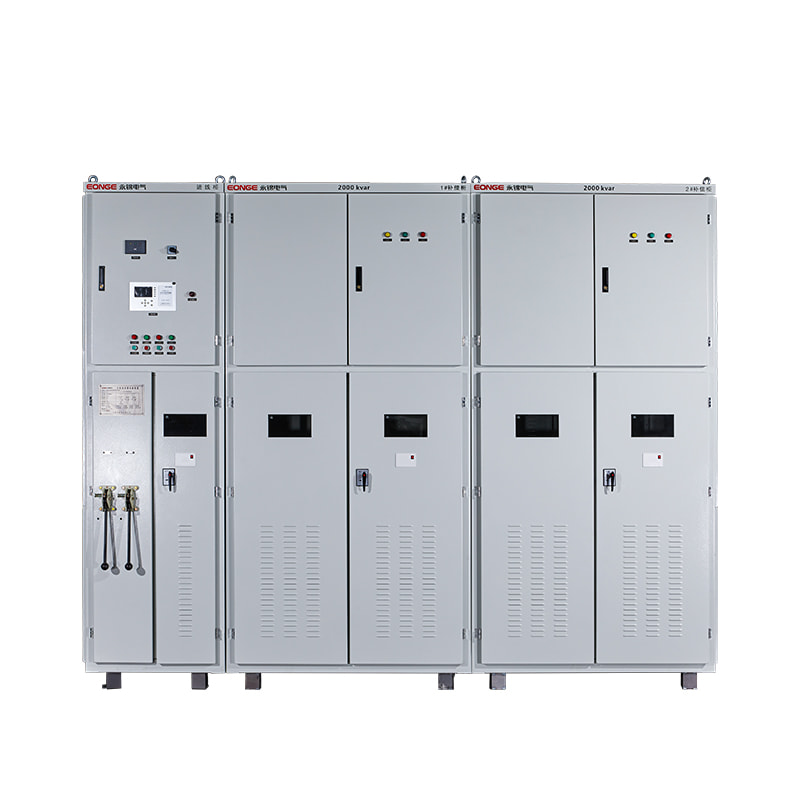

Recommended Products
The variety of models, to meet the development needs of various regions in the world.
Copyright © Shanghai Yongjin Electric Technology Co.,Ltd.

China Power Quality Solutions Supplier