


 English
 中文简体
中文简体 русский
 Español
 عربى
عربىEssential Procedures for High Voltage Capacitor Installation
Pre-Installation Planning and Safety Assessment
The installation of a high-voltage capacitor is a critical procedure that demands meticulous planning and an uncompromising focus on safety. The process begins with a thorough review of the system design, capacitor specifications, and manufacturer instructions. A comprehensive risk assessment must be conducted to identify all potential hazards, including electrical shock, arc flash, and the stored energy within the capacitor bank. The installation site must be evaluated for adequate space, proper ventilation, and accessibility for both installation and future maintenance. Prior to any physical work, a Lockout/Tagout procedure must be implemented to ensure the entire high-voltage circuit is de-energized, isolated, and verified to be dead using appropriate rated test equipment. This foundational step is non-negotiable for a safe high-voltage capacitor installation.
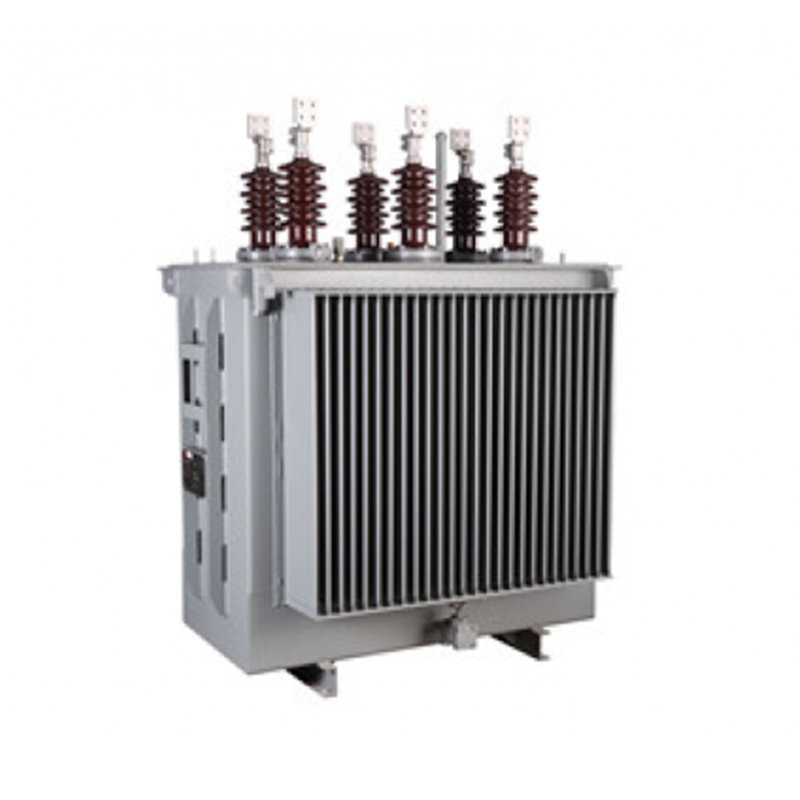
Proper Handling and Mounting of Components
High-voltage capacitor units are sensitive and heavy components that require careful handling. Personnel must use appropriate lifting equipment and follow guidelines to avoid physical damage to the bushings, casings, or internal elements. Mounting must be performed on a stable, level surface or structure designed to support the significant weight, especially for large banks. The chosen location should minimize exposure to direct sunlight, excessive moisture, and corrosive chemicals. Secure mounting using manufacturer-provided hardware is essential to prevent movement from vibration or electromagnetic forces during operation. Proper grounding of the capacitor tank or rack must be established immediately upon placement, providing a path for fault currents and ensuring personnel safety before any electrical connections are made.
Electrical Connection and Buswork Practices
The electrical integration is the most technically demanding phase of a high-voltage capacitor installation. All busbars, cables, and connection lugs must be sized according to the rated current and potential short-circuit forces. Connections must be torqued to the manufacturer's exact specifications using calibrated tools to ensure low-resistance, reliable joints that will not overheat. Adequate spacing must be maintained between phases and to grounded surfaces to meet insulation requirements. For banks with multiple units, the series/parallel configuration must be double-checked against the schematic diagram. The connection of discharge resistors or voltage transformers, if externally mounted, must also be completed with precision. Improper buswork is a leading cause of failure in a high-voltage capacitor installation, leading to hot spots, insulation breakdown, and catastrophic faults.
Control and Protection System Integration
A high voltage capacitor bank is inert without its control and protection systems. This involves installing and calibrating current transformers for unbalance protection, which detects failed capacitor elements within a bank. Overcurrent relays, overvoltage relays, and switches must be wired and set according to the system's coordination study. For switched banks, the controller (often reactive power or voltage-based) must be programmed and its sensors must be correctly installed. All control wiring should be routed separately from power cables to prevent interference. Thorough testing of these protection schemes—ensuring they trip the correct breakers under fault simulations—is a critical final check before energization. This system integration transforms a passive component into an intelligent, protected asset within the electrical network.
Final Commissioning and Energization Protocol
The final stage of a high-voltage capacitor installation is a structured commissioning process. This begins with a detailed visual inspection of all mechanical and electrical work, followed by insulation resistance tests (Megger tests) on the capacitor units and associated wiring. Any built-in discharge circuits should be verified. Once all checks are satisfactory, a formal energization procedure is followed. This typically involves momentarily applying voltage, then disconnecting to check for abnormalities, before final connection. After energization, key parameters like three-phase current balance, bank terminal voltage, and case temperatures are monitored during an initial observation period. Comprehensive documentation, including as-built drawings, test reports, and settings records, completes the high voltage capacitor installation, ensuring the system is operational, safe, and ready for service.

Recommended Products
The variety of models, to meet the development needs of various regions in the world.
Copyright © Shanghai Yongjin Electric Technology Co.,Ltd.

China Power Quality Solutions Supplier