


 English
 中文简体
中文简体 русский
 Español
 عربى
عربىSelection Considerations for Harmonic Filters
Choosing the right solution requires a clear understanding of system conditions. Electrical networks differ in load profiles, harmonic spectrum, voltage level, and future expansion plans. Properly selected Harmonic Filters must match both current operational needs and long-term development goals to achieve stable performance.
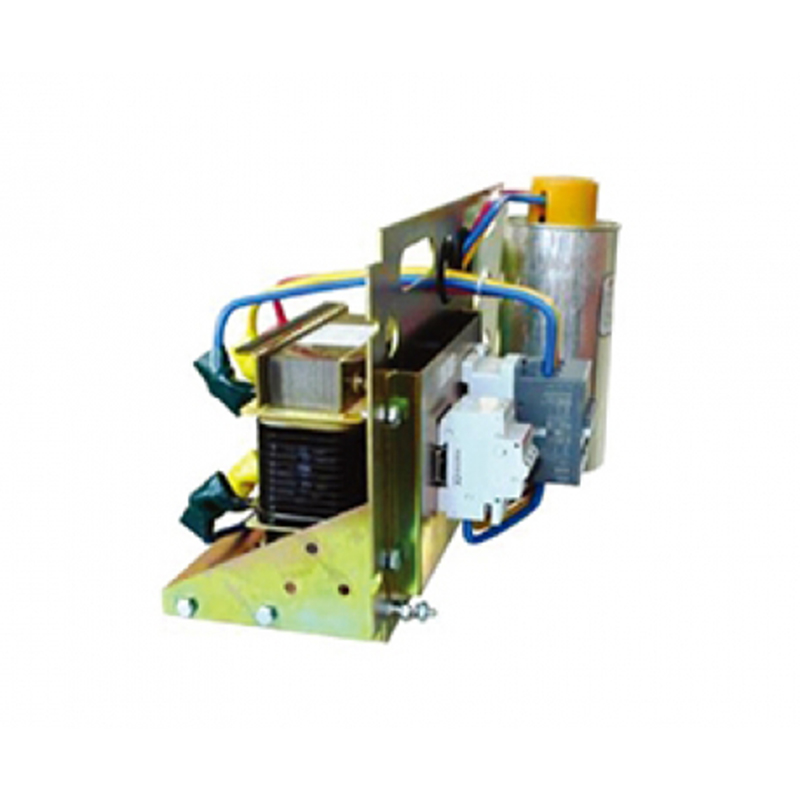
Key factors to evaluate include harmonic order distribution, total harmonic distortion levels, load variability, and system impedance. For facilities with rapidly changing loads, adaptive solutions are often preferred, while stable industrial processes may benefit from fixed configurations. Accurate power quality analysis ensures Harmonic Filters are sized and configured correctly from the outset.
Installation and System Integration
Effective performance depends not only on design, but also on correct installation. Harmonic Filters should be integrated at strategic points within the electrical system, such as main distribution panels, motor control centers, or near harmonic-generating loads. Proper placement improves filtering efficiency and minimizes interaction with other equipment.
Coordination with existing capacitor banks, transformers, and protection devices is essential. Poor integration can reduce effectiveness or introduce resonance risks. Professional system assessment ensures Harmonic Filters operate in harmony with the broader power infrastructure.
Supporting Grid Stability and Sustainability
As power grids incorporate more renewable energy sources and electronic equipment, harmonic control becomes increasingly important. Harmonic Filters play a vital role in stabilizing power flow, reducing stress on infrastructure, and supporting grid modernization initiatives.
Lower harmonic distortion contributes directly to energy efficiency and reduced losses, aligning with sustainability goals. By improving power quality, Harmonic Filters help organizations reduce unnecessary energy consumption while supporting cleaner and more resilient electrical systems.
Value for Utilities and End Users
For utilities, harmonic mitigation reduces transformer loading, minimizes technical losses, and improves service reliability. For industrial and commercial users, Harmonic Filters protect sensitive equipment, support operational continuity, and reduce unexpected downtime.
This shared value strengthens collaboration between utilities, manufacturers, and end users. Deploying well-designed Harmonic Filters creates measurable technical and economic benefits across the entire power supply chain.
Partnering for Reliable Power Quality
Working with experienced solution providers ensures access to proven designs, reliable components, and technical support. From system assessment to commissioning and optimization, professional guidance ensures Harmonic Filters deliver consistent performance under real-world conditions.
With increasing power quality requirements worldwide, harmonic mitigation is no longer optional—it is a fundamental element of modern electrical systems. Investing in the right Harmonic Filters today supports compliance, efficiency, and long-term operational stability tomorrow.
Recommended Products
The variety of models, to meet the development needs of various regions in the world.
Copyright © Shanghai Yongjin Electric Technology Co.,Ltd.

China Power Quality Solutions Supplier