English
 中文简体
中文简体 русский
 Español
 عربى
عربى
Industry News
Home / News / Industry News / Stability of High Voltage Capacitor Unit Under Temperature and Humidity
High Voltage Capacitor Units are essential in power systems, industrial equipment, and high-energy electronics, where reliable energy storage and voltage regulation are required. One critical performance parameter is the dielectric withstand capability, which determines how much voltage a capacitor can safely handle. The stability of this voltage rating under varying environmental conditions, such as temperature and humidity, is vital for maintaining operational reliability and preventing premature failure. Understanding how a High Voltage Capacitor Unit behaves under these conditions helps engineers design robust and safe electrical systems.
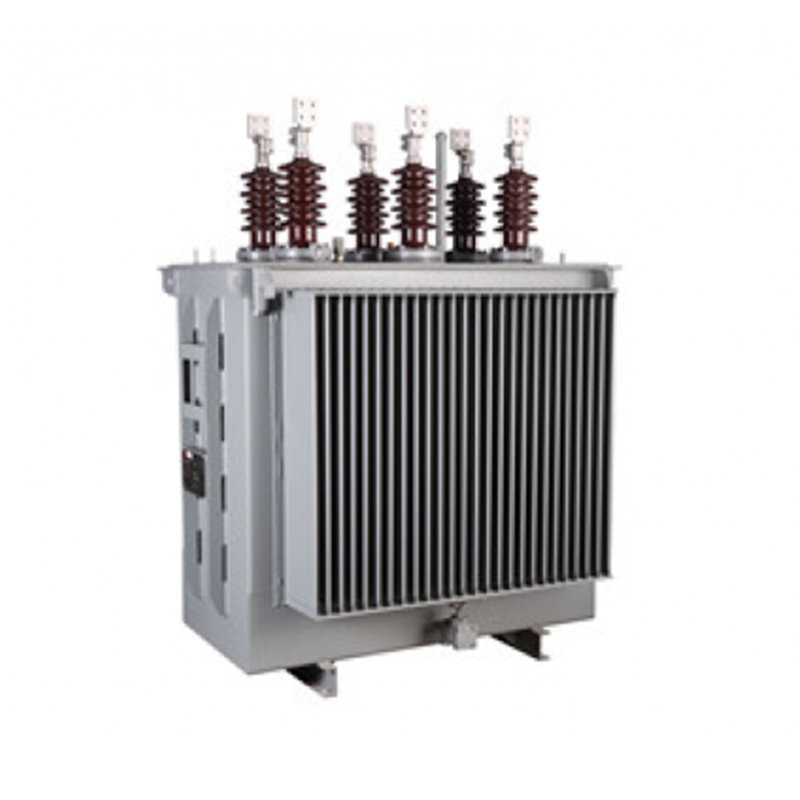
Temperature variations can significantly affect the dielectric properties of a High Voltage Capacitor Unit. At elevated temperatures, the dielectric material may soften or expand, which can reduce its breakdown voltage. Increased temperature also accelerates internal chemical reactions and increases leakage currents, causing gradual degradation of insulation. Conversely, very low temperatures may cause contraction or brittleness in the dielectric material, potentially increasing the risk of cracking under mechanical or electrical stress. Properly designed capacitors use materials with stable thermal coefficients to reduce changes in dielectric strength across operational temperature ranges.
High humidity introduces moisture into the dielectric or surrounding insulating materials, which can reduce the effective voltage withstand capacity of a High Voltage Capacitor Unit. Water molecules increase conductivity along surfaces and may cause partial discharge or leakage currents, compromising insulation integrity. Prolonged exposure to moisture can accelerate corrosion in metallic elements and connectors, further affecting reliability. Many high-voltage capacitors incorporate sealed enclosures, hydrophobic coatings, or impregnated dielectrics to mitigate the impact of humidity and maintain consistent voltage tolerance in challenging environments.
The simultaneous presence of high temperature and humidity can exacerbate the effects on dielectric stability. Thermal expansion combined with moisture ingress may create localized weak points, increasing the likelihood of dielectric breakdown. Stress testing under combined conditions is often performed to ensure that High Voltage Capacitor Units can withstand realistic operating environments without failure. Such testing helps determine derating factors and safety margins for voltage ratings under adverse conditions.
Selecting appropriate dielectric materials is critical for ensuring stability across environmental variations. Materials such as polypropylene, polyethylene terephthalate, or ceramic composites are chosen for their low thermal sensitivity and moisture resistance. Capacitor geometry, electrode design, and encapsulation technique reduce the influence of external factors. Engineers carefully consider these aspects to deliver units that meet strict reliability standards under varying operational climates.
Even with a robust design, ongoing monitoring and preventive maintenance are essential. Periodic electrical testing can detect changes in insulation resistance, capacitance, or leakage currents, indicating potential degradation due to temperature or humidity exposure. Ensuring proper installation, avoiding direct water exposure, and maintaining stable operating environments prolongs the functional lifespan of High Voltage Capacitor Units.
The voltage withstand capability of a High Voltage Capacitor Unit is influenced by environmental factors such as temperature and humidity. Proper material selection, design techniques, and protective measures ensure that capacitors maintain stable performance under these conditions. Monitoring, maintenance, and adherence to operational guidelines further enhance reliability. Understanding these environmental effects allows engineers to implement robust high-voltage systems that operate safely and efficiently in diverse climates and demanding applications.
The variety of models, to meet the development needs of various regions in the world.
Copyright © Shanghai Yongjin Electric Technology Co.,Ltd.

China Power Quality Solutions Supplier