


 English
 中文简体
中文简体 русский
 Español
 عربى
عربىFunction and Application of Low Voltage Capacitors
Core Principles and Electrical Function
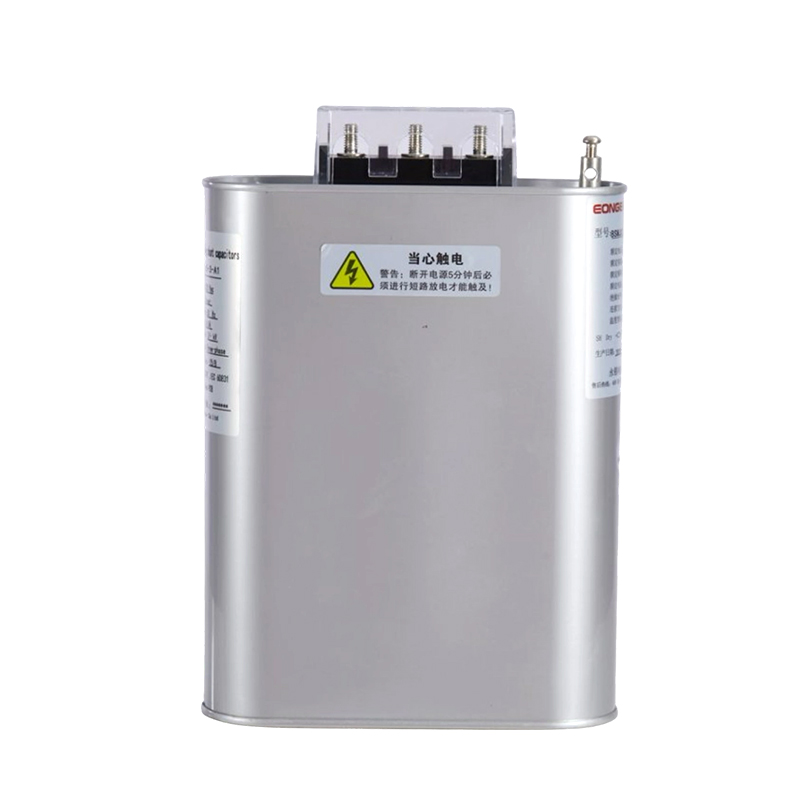
A low-voltage capacitor is a fundamental passive electronic component designed to store and release electrical energy within circuits operating typically below 1000 volts AC or 1500 volts DC. Its core function is based on the principle of capacitance, which is the ability to hold an electrical charge. In practical applications, this translates to several key roles: filtering noise and stabilizing voltage in power supplies, correcting power factor in AC systems to improve efficiency, tuning frequencies in resonant circuits for radios and signal processing, and providing energy storage for pulses or backup in electronic devices. The design and materials of a low-voltage capacitor are optimized for reliability, compact size, and cost-effectiveness within these voltage constraints.
Common Dielectric Materials and Construction Types
The performance characteristics of a low-voltage capacitor are largely defined by its dielectric material—the insulating layer between its conductive plates. Common types include:
Ceramic Capacitors: Utilize ceramic dielectrics, offering small size, stability, and suitability for high-frequency applications. They are widely used for decoupling and filtering.
Electrolytic Capacitors: Employ a thin oxide layer as a dielectric, providing very high capacitance values in a relatively small volume. Aluminum electrolytic capacitors are common for power supply filtering, while tantalum types offer better stability in a smaller package.
Film Capacitors: Use plastic films like polyester or polypropylene as the dielectric. They are known for excellent stability, low loss, and self-healing properties, making them ideal for precision timing, motor run, and noise suppression circuits.
The construction method—whether layered, wound, or stacked—is chosen based on the dielectric to optimize performance for the intended application of the low voltage capacitor.
Key Performance Parameters and Selection Criteria
Selecting the correct low-voltage capacitor requires understanding several critical parameters beyond just capacitance and voltage rating.
Capacitance Tolerance: The allowable deviation from the stated capacitance value, critical for timing and filtering precision.
Equivalent Series Resistance: An internal resistance that causes power loss and heating, especially important in high-frequency or high-ripple current applications.
Temperature Coefficient & Range: How the capacitance value changes with temperature and the operational limits of the component.
Dielectric Absorption & Leakage Current: Factors affecting how completely a capacitor discharges and its insulation quality.
Engineers match these parameters from a low-voltage capacitor datasheet to the specific demands of the circuit, such as frequency, current, temperature environment, and required lifespan.
Applications in Power Quality and Energy Efficiency
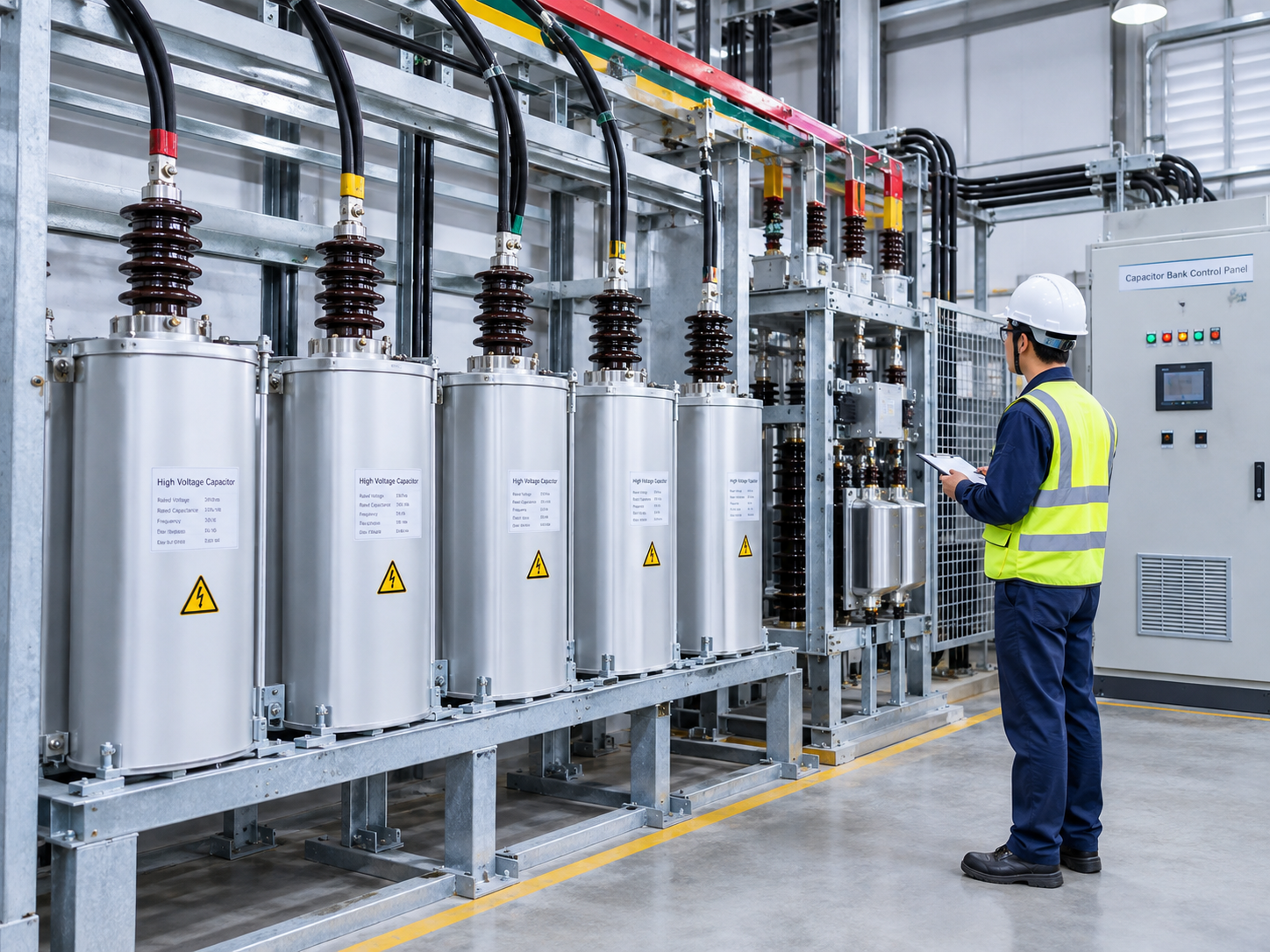
One of the most significant industrial applications for low-voltage capacitor banks is power factor correction in commercial and industrial facilities. Inductive loads like motors and transformers cause a lagging power factor, reducing the efficiency of the electrical distribution system. By strategically installing banks of low voltage capacitor, the reactive power demand is compensated locally. This reduces the current draw on transformers and cables, minimizes energy losses, avoids utility penalties for poor power factor, and can free up system capacity. These capacitor banks are often automatically switched to match the varying load conditions of the facility.
Reliability Considerations and Failure Modes
Despite their simplicity, low-voltage capacitor components have defined failure modes that impact system reliability. Electrolytic capacitors are susceptible to drying out of their electrolyte over time, especially at high temperatures, leading to a loss of capacitance and increased ESR. Film capacitors can suffer from dielectric breakdown under voltage surges. Common causes of premature failure include operation above the rated voltage or temperature, exposure to excessive ripple current, or mechanical stress. Proper derating—using a capacitor with a voltage rating significantly higher than the circuit voltage—and ensuring adequate cooling are standard practices to maximize the service life and reliability of a low voltage capacitor in any application.
Recommended Products
The variety of models, to meet the development needs of various regions in the world.
Copyright © Shanghai Yongjin Electric Technology Co.,Ltd.

China Power Quality Solutions Supplier