English
 中文简体
中文简体 русский
 Español
 عربى
عربى
Industry News
Home / News / Industry News / Why Do Power Systems Use Both High Voltage Capacitor And Low Voltage Capacitor
A power network rarely works with only one voltage level from start to finish. Electricity generated in one area may need to travel through different sections before reaching a factory, commercial building, or individual machine. During this process, voltage levels change according to transmission distance, equipment type, and local power demand.
Such a structure also affects the selection of electrical components. A capacitor installed in a large outdoor electrical facility faces different conditions from one placed inside a distribution cabinet near production equipment. The difference is not limited to voltage value; installation environment, connected devices, and operating purpose all influence the design approach.
Capacitors are commonly used in power systems to support reactive power management and improve electrical operation conditions. Since different parts of a network handle different tasks, capacitor applications are divided into different categories.
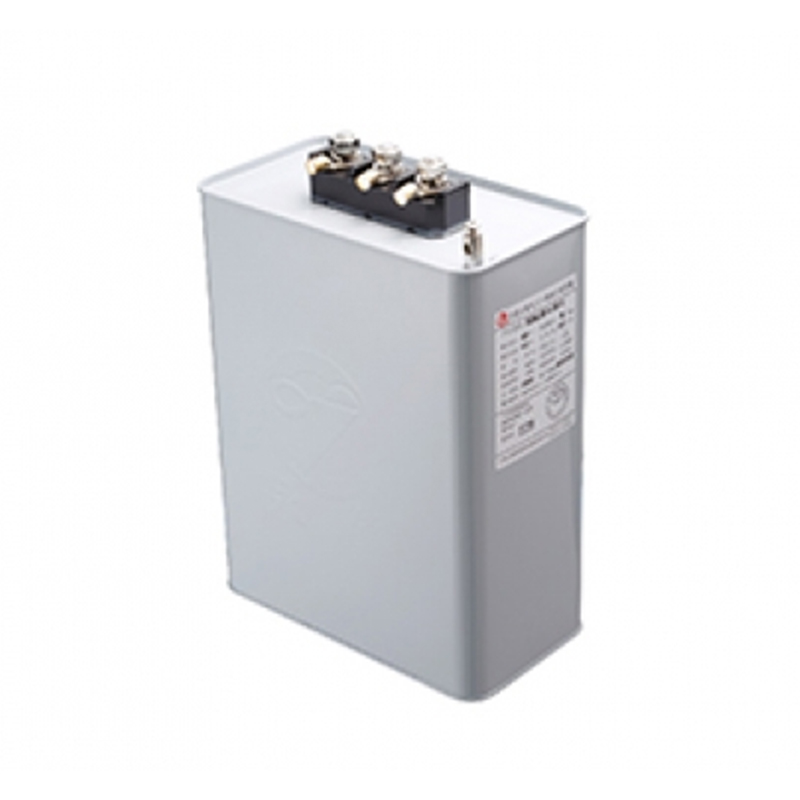
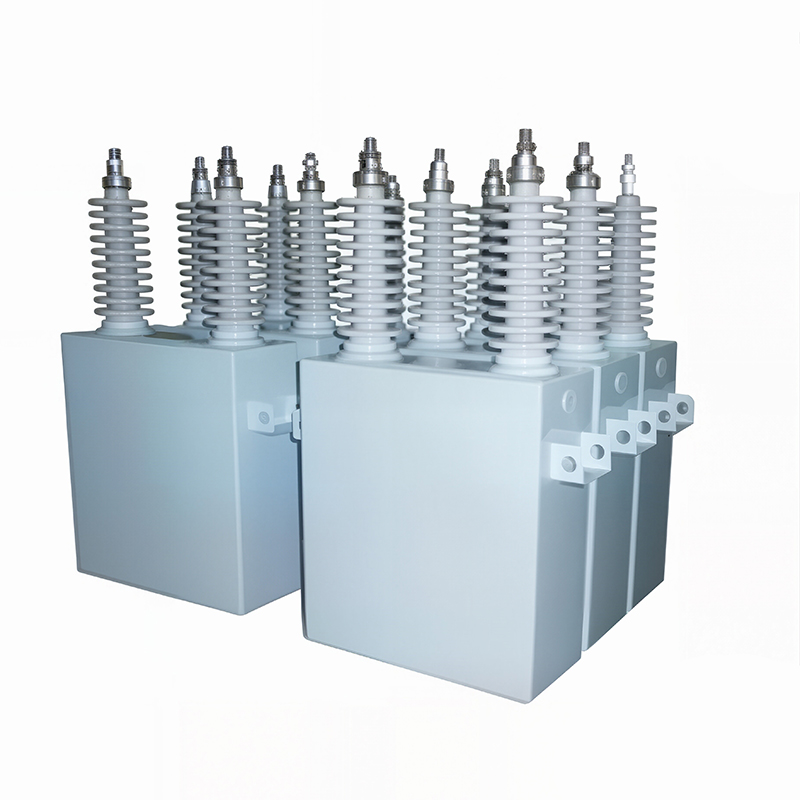
A High Voltage Capacitor usually works in sections connected with higher voltage networks, while a Low Voltage Capacitor is often found closer to electrical loads. Both are part of the same power structure, although their working environments and application requirements are not identical.
A large electrical network is built in stages because electricity needs to travel through different areas before reaching final equipment. A transmission line covering a wide distance cannot be treated in the same way as a factory distribution system supplying motors and production machines.
Higher voltage sections are mainly related to power transfer between different areas. As electricity moves closer to users, distribution equipment adjusts conditions to match local requirements. At the final stage, electrical systems inside buildings or factories need to provide suitable power for equipment operation.
Each section has its own group of components working together. Transformers change voltage levels, cables transfer electrical energy, protection devices respond to abnormal conditions, and capacitors help adjust electrical characteristics within suitable locations.
| Electrical Section | Typical Application Area | Main Capacitor Consideration |
|---|---|---|
| High voltage network | Power transmission and large distribution areas | Suitable electrical design for network connection |
| Medium distribution area | Local power supply systems | Coordination with nearby equipment |
| Industrial electrical system | Factory machines and production equipment | Local compensation and cabinet installation |
| Building power system | Commercial and daily-use facilities | Space arrangement and maintenance access |
A capacitor designed for one section cannot simply be moved to another location without checking whether it matches the surrounding conditions. The reason is related to the role it plays within the network.
For example, equipment installed outdoors near a substation may need to handle environmental exposure over long operating periods, while a capacitor inside an electrical cabinet may focus more on space arrangement and connection with nearby loads.
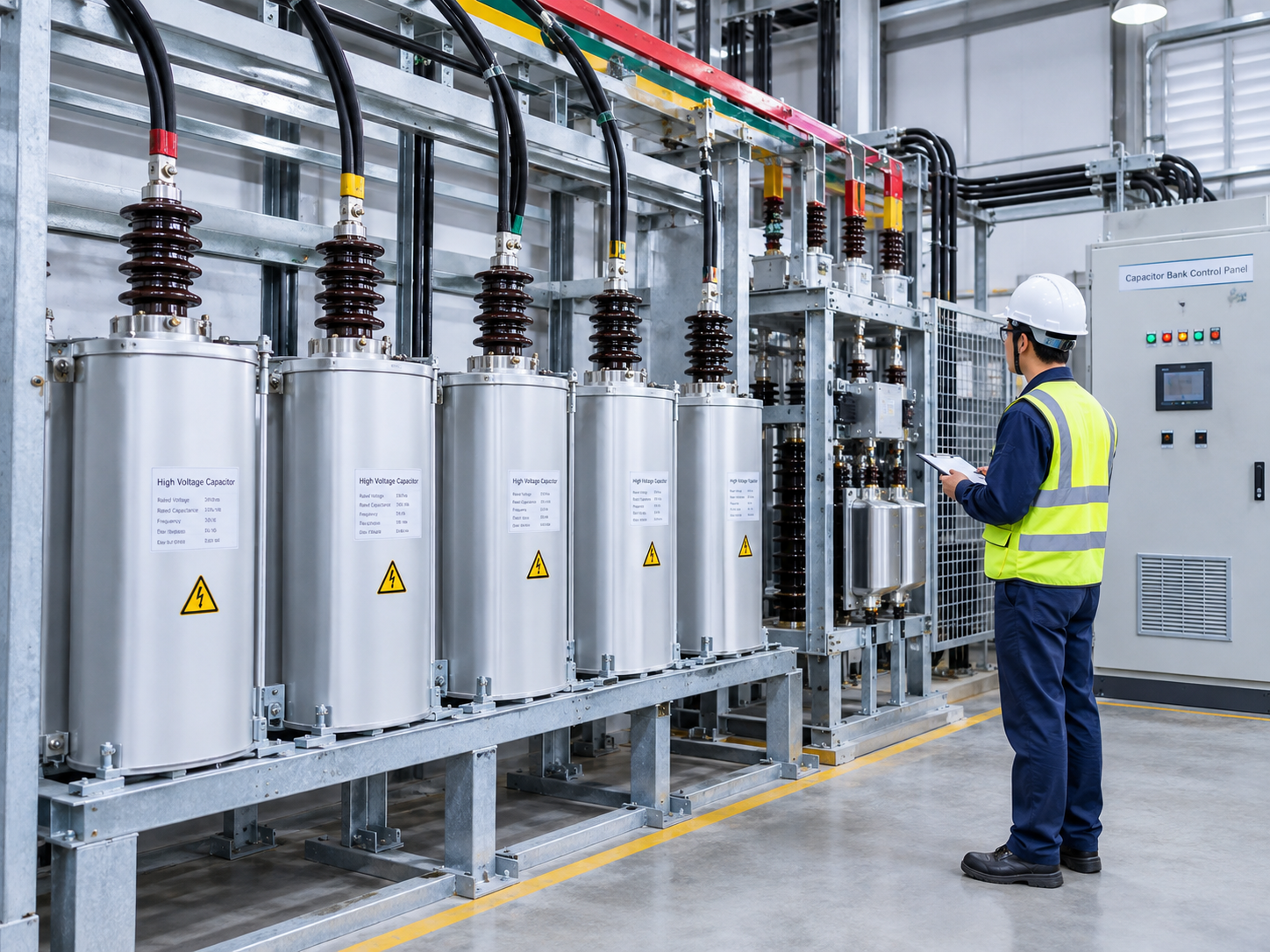
A High Voltage Capacitor is generally associated with parts of a power network where electrical conditions require coordination with transmission or distribution equipment. These locations often involve large-scale power movement, meaning every connected component needs to operate together.
During operation, electrical loads may create reactive power demand, especially equipment containing motors or magnetic components. Capacitors can be installed at suitable points to help manage this condition and support smoother power flow within the network.
The installation environment plays an important role in equipment selection. A capacitor located in an outdoor electrical area may experience moisture, dust, temperature changes, and long-term exposure to surrounding conditions. The design needs to consider not only electrical performance but also the actual location where the equipment will operate.
In practical projects, several details are usually reviewed before installation:
A high voltage capacitor is not an isolated component. Its function depends on cooperation with other electrical devices. The connection between capacitors, cables, protection systems, and control equipment influences how the whole section operates.
For this reason, communication with a High Voltage Capacitor Supplier often focuses on application conditions rather than only product specifications. Understanding where the capacitor will be installed helps determine whether the design fits the actual electrical environment.
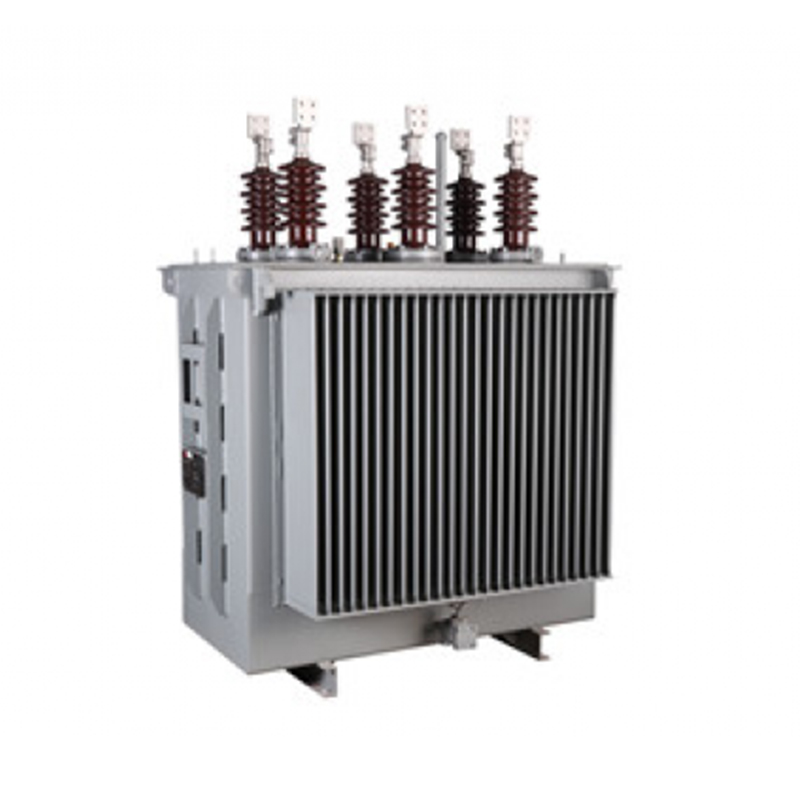
A Low Voltage Capacitor is usually used closer to the point where electricity is consumed. Factories, workshops, commercial buildings, and equipment rooms often contain local electrical systems where power conditions can change according to machine operation.
Production equipment with motors may create different electrical demands during starting, running, and stopping periods. Installing capacitors closer to these loads allows electrical adjustment to happen near the source of demand instead of relying only on equipment placed farther away.
The working environment around low voltage applications is also different. Many units are installed inside cabinets or distribution panels, where available space, ventilation, cable arrangement, and maintenance access become practical considerations.
Common points considered during low voltage capacitor installation include:
A factory electrical room and an outdoor power station represent two different situations. One focuses on supporting nearby machines, while another deals with larger network conditions. Neither application replaces the other because each capacitor type belongs to a different part of the electrical structure.
A power network is usually built with several capacitor installation points rather than depending on one location to handle every electrical condition. The reason is closely related to how electricity moves through different sections. A transmission area, a distribution room, and a factory electrical cabinet may all belong to the same power system, although the working requirements at each place are different.
A High Voltage Capacitor is commonly arranged in sections where electrical energy is transferred through larger networks. A Low Voltage Capacitor is often installed closer to machines and equipment where electricity is consumed directly. Their positions are different because the problems they help address occur at different points in the system.
For example, electricity supplied to a factory does not immediately reach production machines. It passes through several stages involving transformers, distribution equipment, and internal electrical cabinets. Capacitor installation may appear at different points along this path, with each location serving a specific purpose.
The cooperation between different capacitor applications mainly depends on system planning:
A high voltage application cannot simply replace a low voltage one because the surrounding conditions, connection methods, and operating environment are different. The same idea applies in reverse. Capacitor selection follows the structure of the electrical system rather than using one type for every situation.
Capacitor selection usually begins with understanding where the equipment will be installed and what role it needs to perform. Voltage level is an important consideration, although it is only one part of the decision process.
An outdoor electrical area and an indoor factory cabinet create very different working conditions. Outdoor installations may face moisture, dust, and changing temperatures, while indoor equipment rooms often focus on available space, ventilation, and connection arrangement.
The type of electrical load also affects capacitor planning. A system supplying motors, production equipment, or other industrial devices may experience changing power demand during operation. Understanding these changes helps determine where capacitor support may be needed.
| Consideration | Practical Meaning |
|---|---|
| Installation location | Determines environmental requirements |
| Electrical connection | Affects compatibility with existing equipment |
| Load characteristics | Relates to local power demand changes |
| Maintenance access | Influences long-term service arrangements |
| System layout | Ensures coordination between different sections |
In many projects, capacitor selection involves communication between designers, installers, and manufacturers. A High Voltage Capacitor Supplier may need details about the electrical environment, installation position, and expected operating conditions before providing suitable equipment information.
The selection process is not only about choosing a component that matches a voltage category. The capacitor needs to fit into a complete electrical structure where multiple devices operate together.
Electrical components rarely work separately. A capacitor connected to a network interacts with transformers, cables, protection equipment, and electrical loads. Changes in one part of the system may influence conditions in another area.
For instance, a factory with many machines may experience different power requirements during different production periods. A capacitor installed near the equipment may focus on local conditions, while another capacitor located in a distribution section may serve a wider area.
Good coordination begins with understanding how electricity flows through the facility or network. Engineers usually consider:
A capacitor is not an isolated solution placed into a system after design work is completed. Its position, connection, and operating conditions are usually considered together with other electrical equipment during planning.
This approach explains why both high voltage and low voltage capacitor applications exist at the same time. Each one fits a different part of the electrical path.
The installation environment often influences capacitor structure and maintenance planning. A unit installed in an outdoor substation experiences different conditions from one placed inside a factory electrical cabinet.
Outdoor locations may require consideration of rain, dust, temperature changes, and long periods of operation without direct supervision. Equipment arrangement also needs to leave enough space for inspection and maintenance work.
Indoor applications create another set of requirements. Electrical rooms may have limited space, and equipment needs to fit together with other devices inside cabinets or panels. Heat release, cable routing, and access for maintenance workers become practical concerns.
| Installation Area | Main Attention Point |
|---|---|
| Outdoor power facility | Environmental exposure and equipment protection |
| Industrial electrical room | Connection with production equipment |
| Distribution cabinet | Space arrangement and internal layout |
| Commercial facility | Daily operation and maintenance access |
A High Voltage Capacitor Supplier usually needs information about the installation environment because application conditions influence equipment design and selection.
Understanding where a capacitor will operate provides a clearer direction for system planning. The same capacitor type may not be suitable for every location because electrical environments are not identical.
Cooperation with a supplier often starts before equipment installation. Project teams usually need to provide information about the electrical system, installation location, operating conditions, and expected maintenance approach.
A reliable selection process involves more than product supply. Technical communication, application understanding, and document support all influence whether the equipment fits the project requirements.
Several points may require discussion:
For large electrical projects, early communication can reduce problems during installation because equipment details are considered before the final arrangement is completed.
A High Voltage Capacitor Supplier plays a role in providing information related to capacitor applications, while system designers decide how equipment fits within the overall electrical structure.
Power systems use both High Voltage Capacitor and Low Voltage Capacitor because different sections of an electrical network face different operating conditions. High voltage applications are connected with wider network sections, while low voltage applications are closer to electrical equipment and local power demand.
The difference between the two is not only related to voltage level. Installation environment, connected loads, system arrangement, and maintenance requirements all influence capacitor selection.
When capacitor placement matches the structure of a power system, different sections can work together in a more coordinated way. Understanding the relationship between voltage levels and equipment applications helps create a clearer approach to electrical system planning.
The variety of models, to meet the development needs of various regions in the world.
Copyright © Shanghai Yongjin Electric Technology Co.,Ltd.

China Power Quality Solutions Supplier