


 English
 中文简体
中文简体 русский
 Español
 عربى
عربىSafe Practices in High Voltage Capacitor Installation
Importance of Material Selection
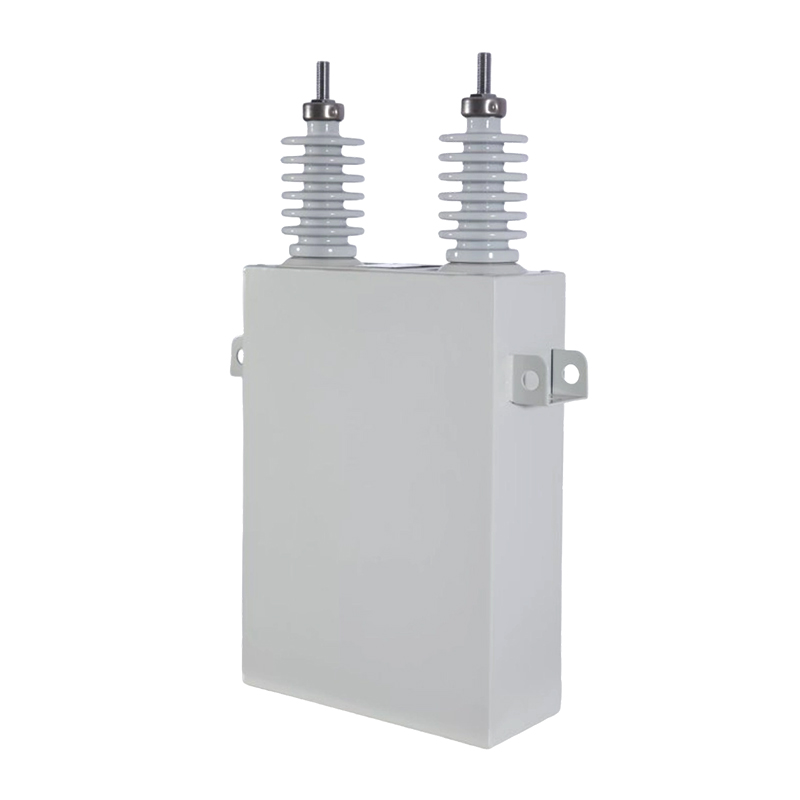
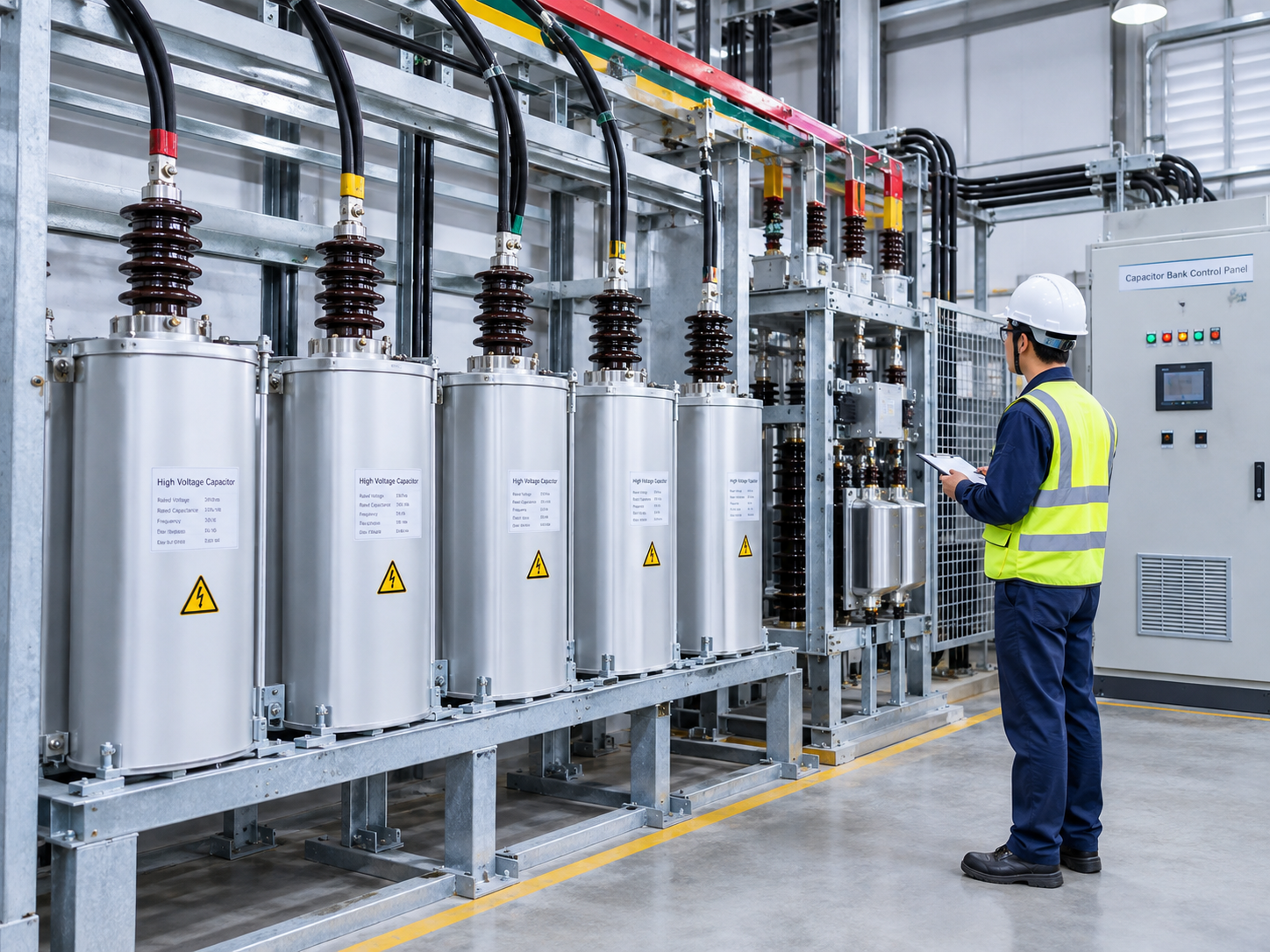
Proper material selection is essential in High Voltage Capacitor Installation. Capacitor units, connecting terminals, and insulating materials must withstand high voltage stress and varying environmental conditions. Commonly used materials include high-grade aluminum, ceramic insulators, and specialized polymers. A careful choice of materials ensures reliability during operation. Effective High Voltage Capacitor Installation protects both equipment and personnel, reducing the risk of malfunction or electrical hazards in industrial environments.
Design Considerations for Reliable Performance
Design plays a key role in High Voltage Capacitor Installation. Capacitors must be positioned and secured to handle voltage fluctuations, vibration, and thermal expansion. Proper spacing, insulation, and grounding are critical for maintaining system stability. Using simulation software, engineers can evaluate stress points and optimize layouts, ensuring a safe and efficient High Voltage Capacitor Installation process. Thoughtful design reduces the risk of equipment failure and improves overall system performance.
Step-by-Step Installation Process
A systematic approach is essential for High Voltage Capacitor Installation. The process typically includes preparation, grounding, connection, and final inspection. Technicians ensure all components are clean and free from moisture before installation. Conducting voltage and continuity checks before energizing the system is part of a reliable High Voltage Capacitor Installation procedure. Following precise installation steps ensures both operational reliability and compliance with electrical standards.
Safety Measures During Installation
Safety is a top priority in High Voltage Capacitor Installation. Technicians must use personal protective equipment, follow lockout procedures, and verify that circuits are de-energized before handling capacitors. Monitoring environmental conditions such as humidity and temperature can prevent insulation breakdown. By incorporating safety protocols, a High Voltage Capacitor Installation ensures protection for both personnel and equipment while reducing the risk of accidents in industrial settings.
Customization and Specialized Applications
Industrial facilities often require specialized capacitor configurations, making customization a key aspect of High Voltage Capacitor Installation. Capacitors can vary in voltage rating, capacitance, and physical dimensions to meet specific system requirements. Advanced tools and precision techniques allow engineers to implement customized solutions efficiently. A flexible High Voltage Capacitor Installation approach ensures that systems of various scales and complexities operate reliably under diverse industrial demands.
Environmental and Sustainability Considerations
Sustainability plays a growing role in High Voltage Capacitor Installation. Choosing recyclable materials and minimizing waste during assembly reduces environmental impact. Proper disposal of capacitors containing hazardous substances prevents contamination. Factories adopting eco-friendly practices in High Voltage Capacitor Installation contribute to long-term environmental responsibility while meeting industrial safety and operational standards.
Logistics and Supply Coordination
Efficient logistics are crucial for successful High Voltage Capacitor Installation projects. Coordinating the delivery of capacitors, insulating materials, and installation tools ensures timely project completion. Digital tracking systems allow for precise inventory management, while organized storage prevents damage during transport. Proper planning in High Voltage Capacitor Installation supports project efficiency, reduces delays, and ensures components arrive in optimal condition.
Adapting to Industry Standards
Flexibility is essential in High Voltage Capacitor Installation. Technicians and engineers must stay updated on evolving electrical codes, industrial standards, and safety guidelines. Regular training and system audits help maintain compliance. Adapting installation procedures ensures that High Voltage Capacitor Installation remains reliable, safe, and effective for a wide range of industrial applications, including power plants, manufacturing facilities, and distribution centers.
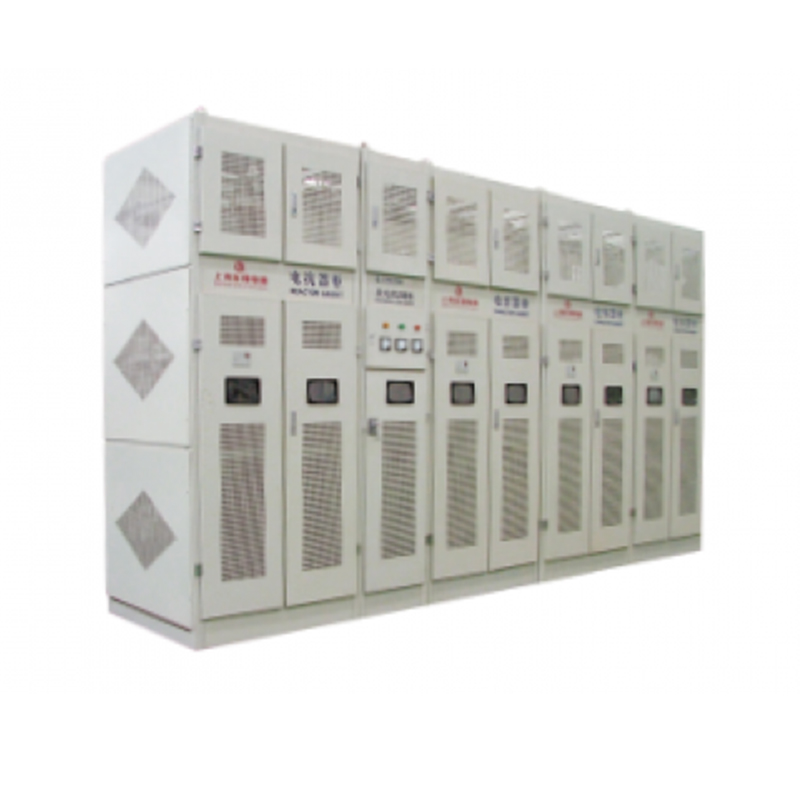
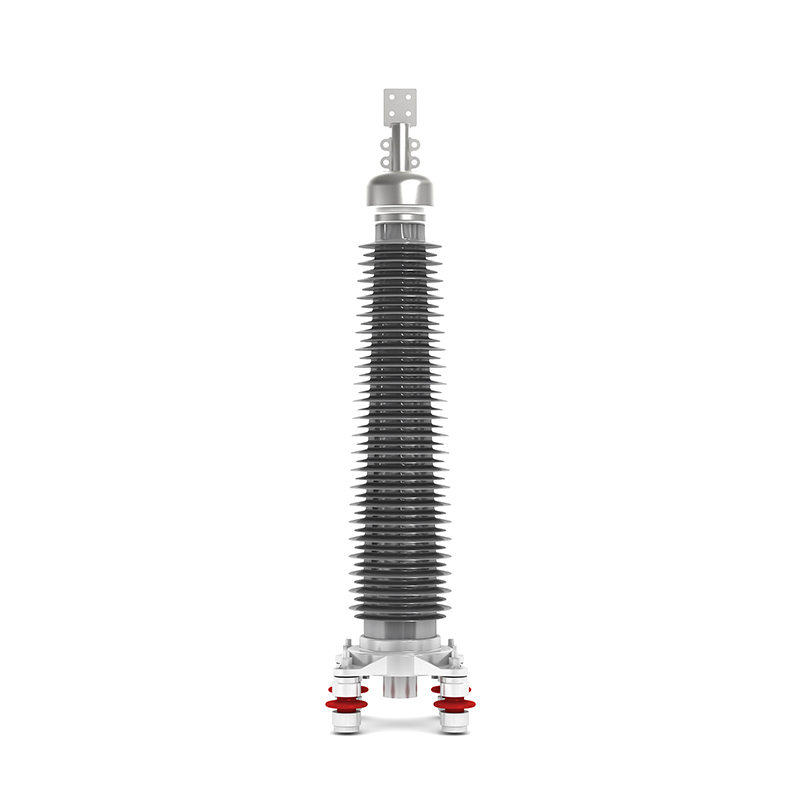
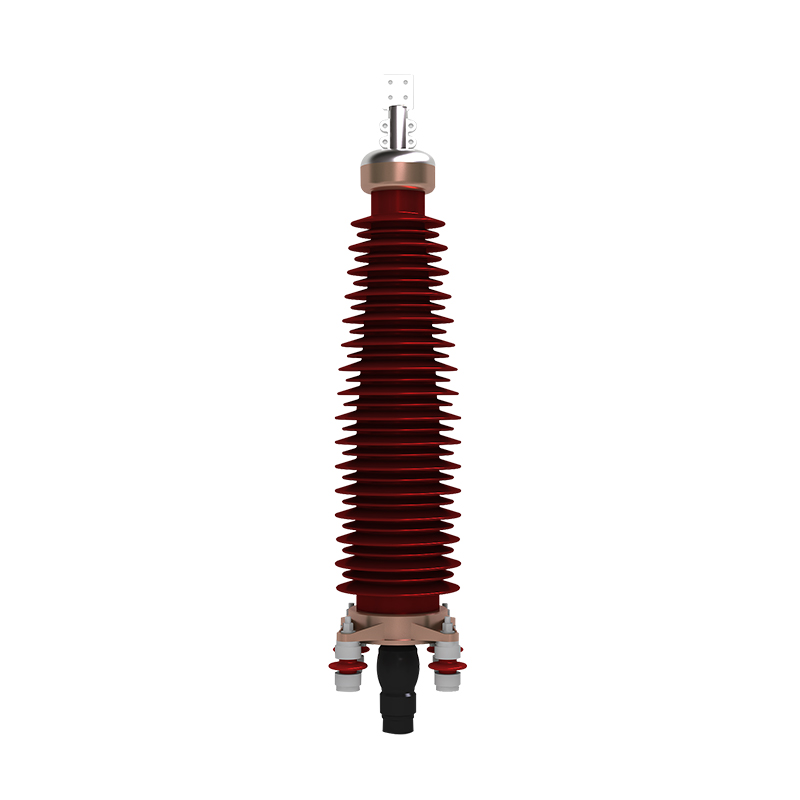
Recommended Products
The variety of models, to meet the development needs of various regions in the world.
Copyright © Shanghai Yongjin Electric Technology Co.,Ltd.

China Power Quality Solutions Supplier