English
 中文简体
中文简体 русский
 Español
 عربى
عربى
Industry News
Home / News / Industry News / How a Capacitor Bank Differs From a Single Power Factor Correction Capacitor
Electrical systems in factories, workshops, office buildings, and larger service sites often carry loads that change during normal operation. Motors start and stop, lighting shifts with working hours, and different machines draw power in different ways. When current and voltage no longer stay in a balanced pattern, system performance can become less steady, so power factor correction becomes part of everyday electrical planning rather than a side issue.
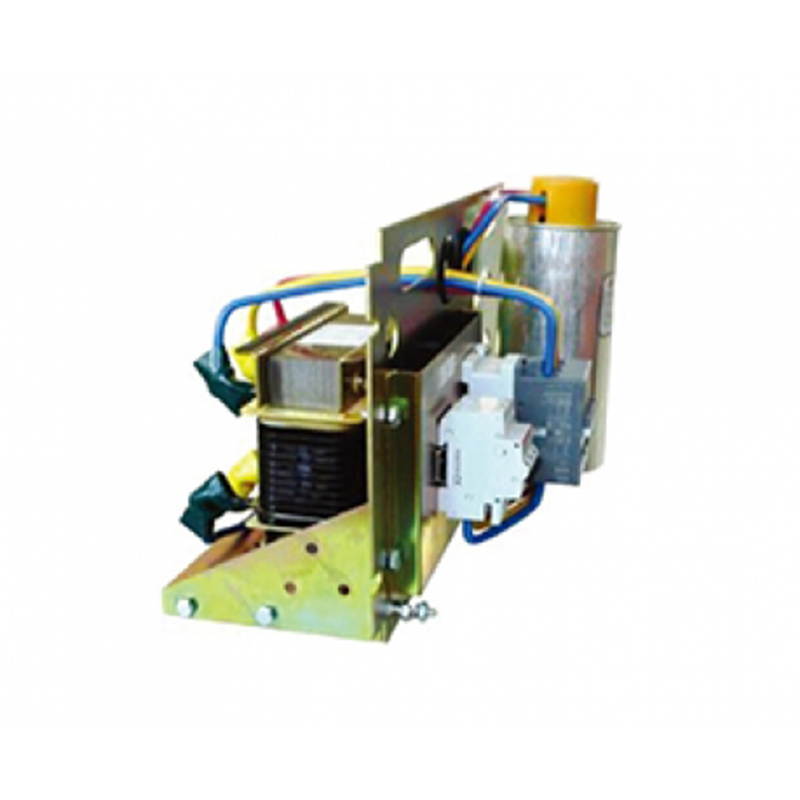
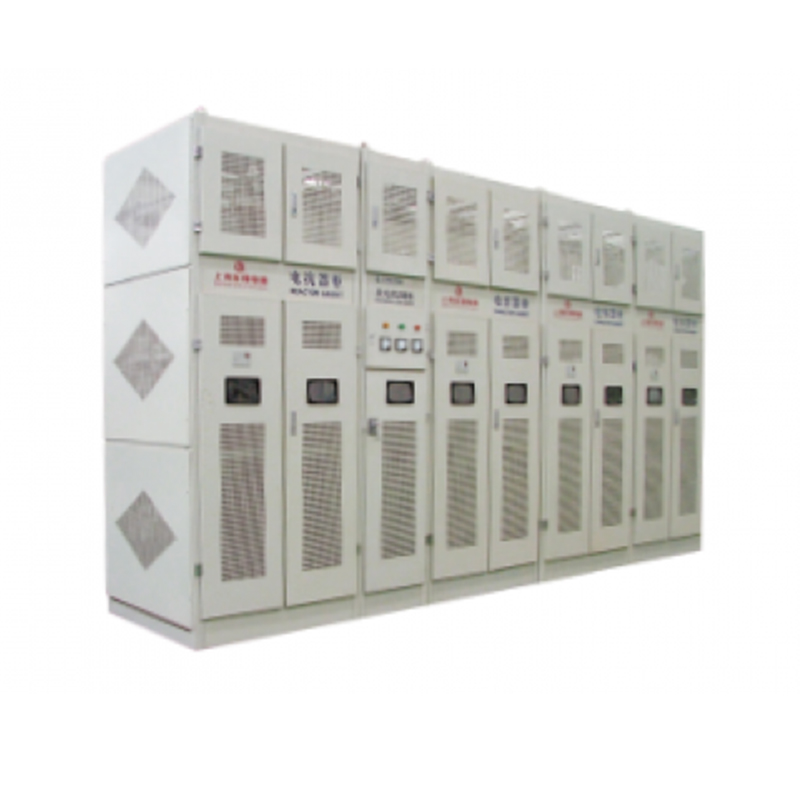
A Capacitor bank often appears in places where electrical demand changes through the day. Instead of relying on one fixed unit, several capacitor sections work together and can be used according to actual load conditions. A single power factor correction capacitor follows a simpler path, since one fixed unit stays connected at a steady level. Both serve the same general purpose, yet daily use can look very different.
Many electrical teams pay attention to that difference because loads are not always stable. A small workshop with steady equipment may need a simple correction method. A production area with changing machines may call for something more adaptable. Choice often depends on operating pattern, not on appearance or size alone.
Electrical systems do more than deliver power from one point to another. They also need power to move in a way that supports normal operation. When reactive power becomes part of the load, extra current may move through cables, panels, and control gear without doing useful work in the same direct way as active power. That situation can place more strain on parts of a system and make planning more difficult.
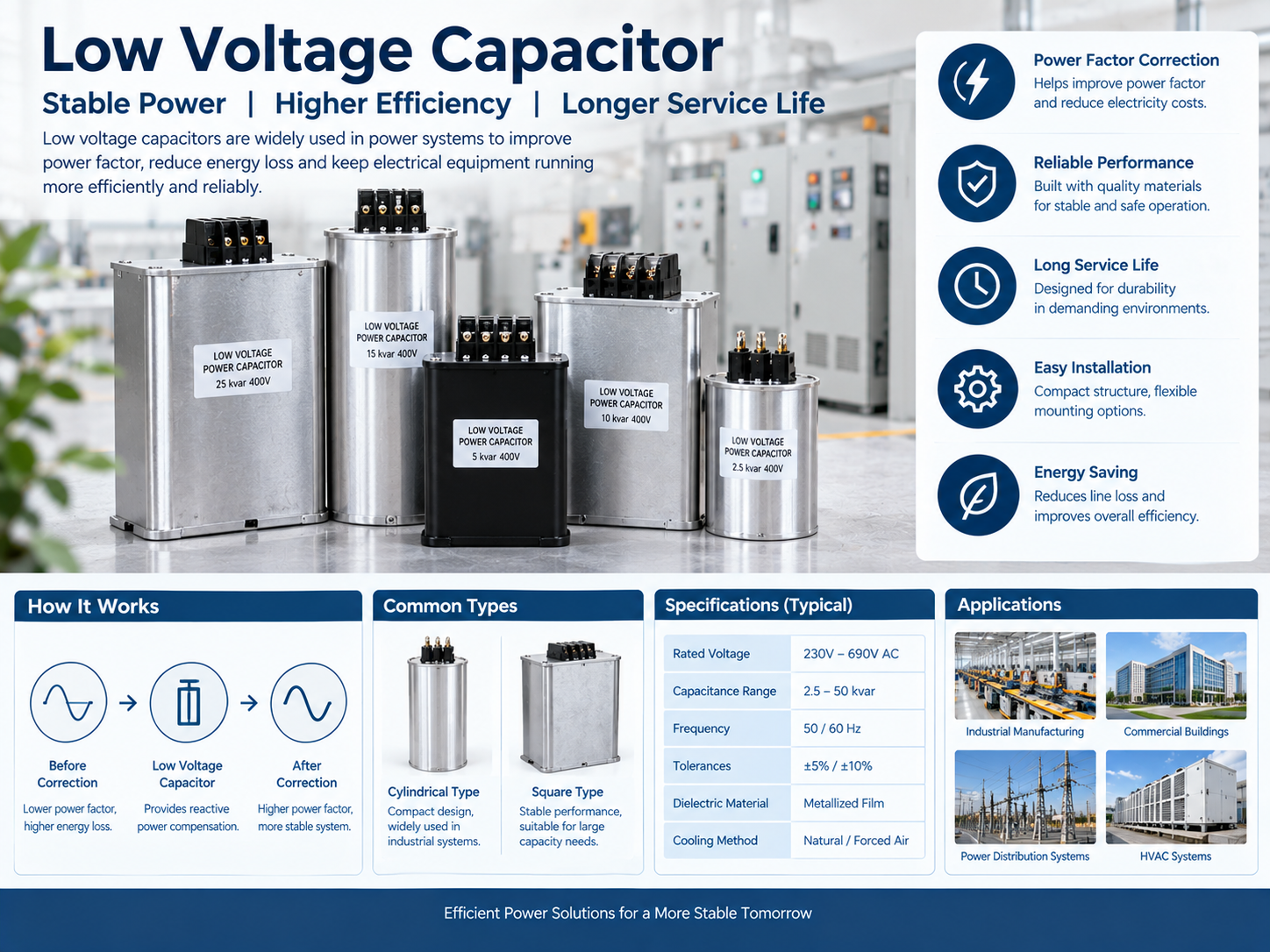
Power factor correction helps bring current flow closer to what a system actually needs. In simple terms, correction equipment supports smoother electrical use by reducing unnecessary reactive demand. Many facilities treat it as part of routine system care, especially where motors, compressors, pumps, and similar loads are present.
A few practical reasons explain why correction matters in daily work:
Stable electrical conditions often matter more than people notice at first glance. A system that works without repeated interruptions usually needs fewer adjustments later, so power factor correction often belongs in early planning rather than last-minute repair.
A single power factor correction capacitor is usually the simpler option. One capacitor unit provides a fixed correction level and stays connected in a steady way. That structure can work well when electrical load remains fairly constant through normal operation.
In a small workshop or a site where one type of machine runs for long periods, a single unit may match the load pattern without much adjustment. Installation tends to stay simple, and monitoring usually focuses on one component rather than several sections working together.
A single unit often fits situations like:
Because the structure stays simple, maintenance also remains straightforward. One capacitor means one main point to inspect, one connection set to check, and one operating condition to follow.
Even so, a simple unit has a limit. Once load pattern begins to shift through different times of day, a fixed correction level may no longer match actual demand in a comfortable way. In that case, correction can still exist, yet flexibility becomes harder to manage.
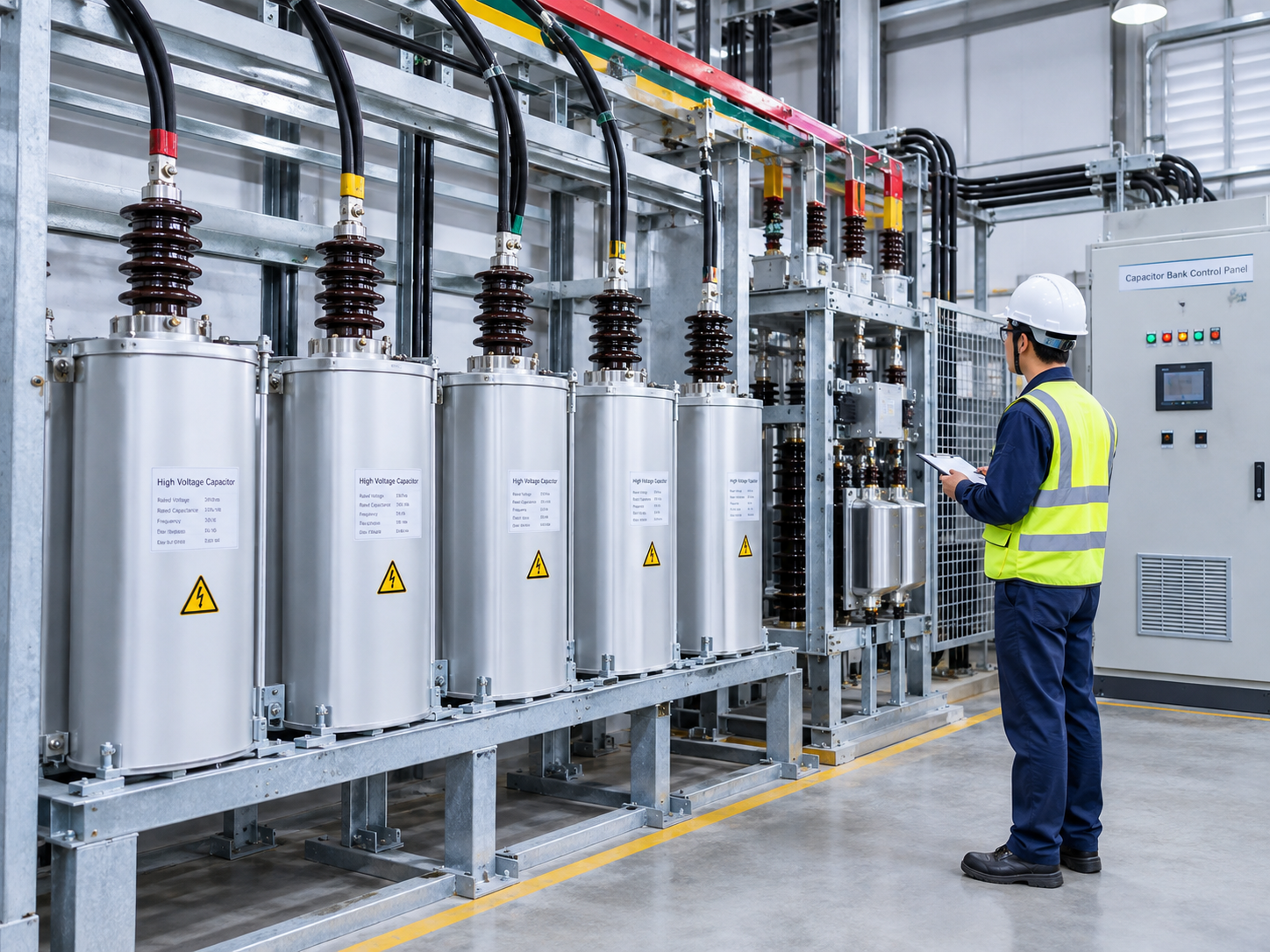
A Capacitor bank works with several capacitor sections rather than one fixed unit. Sections can be brought into operation according to changing conditions, which gives the system more room to follow real load needs during the day.
In ordinary use, one part of the bank may handle a light load period, while another part may join when demand rises. Instead of staying at one fixed level, correction changes with the system. That difference matters in sites where machines do not run in the same pattern all day.
A bank structure often supports:
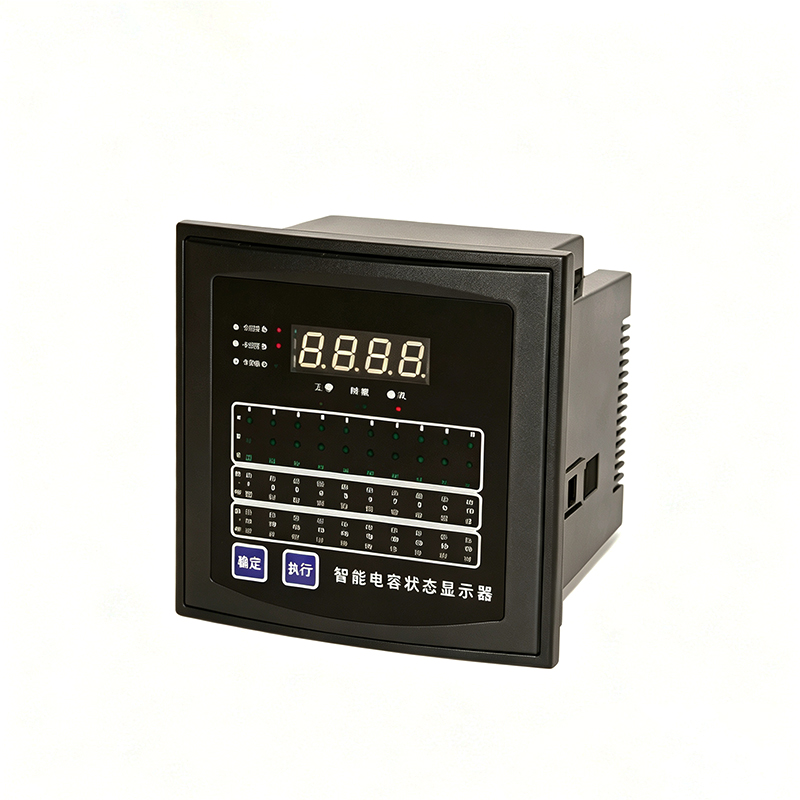
Control becomes part of the design. Instead of simply connecting one component and leaving it in place, the system may switch between sections as conditions change. That extra step gives more flexibility, though it also adds more components to inspect and manage.
| Comparison Area | Single Power Factor Correction Capacitor | Capacitor Bank |
|---|---|---|
| Structure | One fixed unit | Several capacitor sections |
| Adjustment | Fixed correction level | Flexible correction level |
| Load Pattern | Steady operation | Changing operation |
| Control | Simple setup | Section switching involved |
| Use Case | Stable electrical demand | Variable electrical demand |
Electrical demand inside a factory rarely stays unchanged for an entire working day. One production line may begin operating while another remains idle. Some equipment runs for several hours, while other machines work only for short periods. Because of those changing conditions, electrical demand rises and falls as daily work continues.
A Capacitor is often considered in situations where correction also needs to change. Instead of keeping one fixed correction level, different capacitor sections can work according to actual operating conditions. As equipment starts or stops, correction can change with the load instead of remaining at the same level all day.
Many industrial sites experience situations such as:
Flexible correction can make everyday operation easier because the electrical system follows actual demand more closely. Rather than applying the same correction under every condition, the system adjusts according to how the load changes during normal operation.
That does not mean every facility requires a bank arrangement. A site with nearly identical operating conditions every day may still work well with a simpler correction method. The decision depends on how electricity is used rather than on the size of the building.
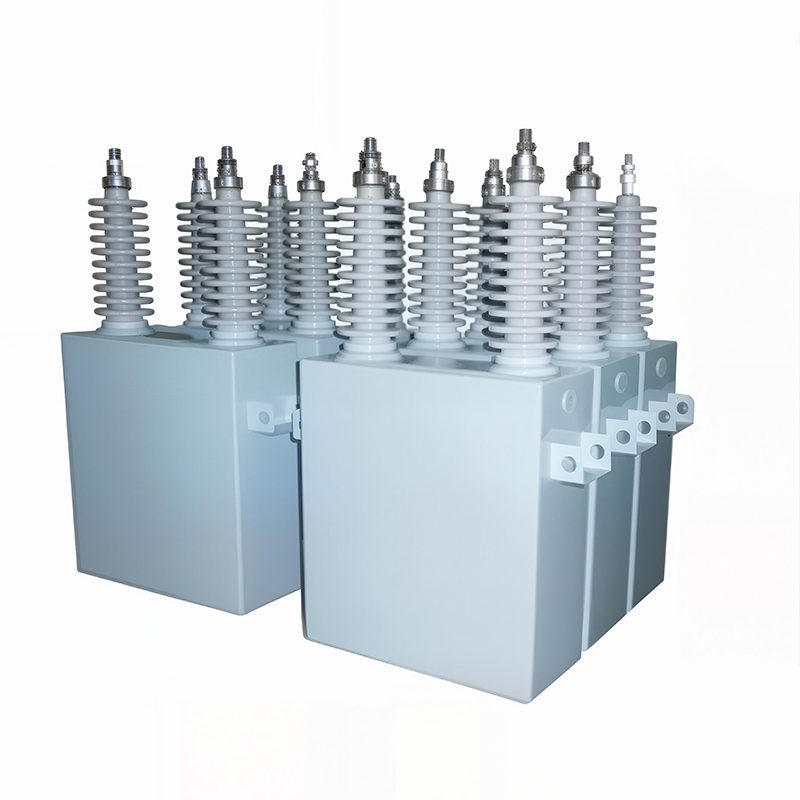
Choosing correction equipment usually begins with understanding the electrical load instead of selecting equipment immediately.
One important question is whether the load stays steady or changes throughout the day. Stable operation often calls for a different solution than equipment that starts and stops frequently.
Another consideration is future development. Some facilities continue using the same electrical arrangement for many years, while others regularly add machines or modify production areas. Planning for possible changes can reduce later adjustments.
Installation space also deserves attention. A correction system should fit comfortably into the available electrical area while allowing room for routine inspection and maintenance.
Several practical points are usually reviewed before making a decision.
Maintenance capability also matters. A simple system may require fewer inspection points, while a larger arrangement contains more components that should be checked regularly.
Looking at daily operating habits often provides a clearer answer than comparing equipment descriptions alone.
Regular inspection helps correction equipment continue operating in a stable manner. Although both correction methods require routine attention, maintenance work is not exactly the same.
A single capacitor generally involves fewer components. Inspection usually focuses on connections, appearance, mounting condition, and general operating status. Since the structure is relatively simple, routine checks can often be completed without reviewing multiple sections.
A Capacitor Bank contains several capacitor units working together. During maintenance, technicians may examine each section individually instead of treating the entire assembly as one component.
Typical inspection work may include:
Visual inspection is also useful. Signs of unusual appearance, discoloration, or damaged parts may indicate that further examination is needed.
Routine maintenance often follows a consistent schedule. Small inspections completed regularly can reduce the possibility of unexpected interruptions later.
Electrical systems differ from one industry to another. Because operating patterns are rarely identical, correction methods also vary.
Manufacturing facilities often experience changing equipment loads throughout the day. Production lines may begin or stop according to different work arrangements. A Capacitor Bank can adapt more easily to those changes because different capacitor sections can operate as needed.
Commercial buildings may present another pattern. Air conditioning, lighting, elevators, and other equipment do not always work at the same level. Demand may rise during busy periods and become lighter at other times.
Utility-related electrical systems may also require flexible correction because operating conditions can change as electrical demand varies.
Some common application areas include:
| Application | Typical Load Pattern | Suitable Correction Characteristic |
|---|---|---|
| Manufacturing | Equipment changes frequently | Flexible adjustment |
| Commercial buildings | Daily demand varies | Step-by-step correction |
| Distribution systems | Changing electrical conditions | Multiple correction stages |
| Service facilities | Mixed electrical loads | Adjustable operation |
Although application environments differ, the basic principle remains similar. Correction equipment should match the actual operating pattern rather than follow a fixed approach for every installation.
Electrical systems work more smoothly when correction reflects real operating conditions instead of assumptions.
A fixed correction method may suit equipment that behaves consistently every day. A Capacitor Bank may be more suitable where machines start, stop, or operate in different combinations throughout normal work.
Selecting between the two approaches often comes down to several practical questions.
Answers to those questions usually provide a clearer direction than comparing product structures alone.
Power factor correction is closely connected with how an electrical system is used from day to day. When correction equipment matches real operating conditions, planning, inspection, and daily management become easier. Whether the choice is a single capacitor or a Capacitor Bank, understanding load characteristics remains an important step before installation.
The variety of models, to meet the development needs of various regions in the world.
Copyright © Shanghai Yongjin Electric Technology Co.,Ltd.

China Power Quality Solutions Supplier