English
 中文简体
 русский
 Español
 عربى
Industry News
Home / News / Industry News / How Does Insulated Cable Wire Improve Electrical Safety in Industrial Applications?
Industrial cables run through some rough territory—heat, moisture, oil, vibration, physical wear. When insulation breaks down, conductors end up exposed, and that opens the door to electric shock, short circuits, equipment damage. Insulated Cable Wire puts a non-conductive layer around copper or aluminum conductors to keep current where it belongs. For industrial buyers, the choice comes down to insulation material, voltage and temperature ratings, and the conditions where the cable will live.
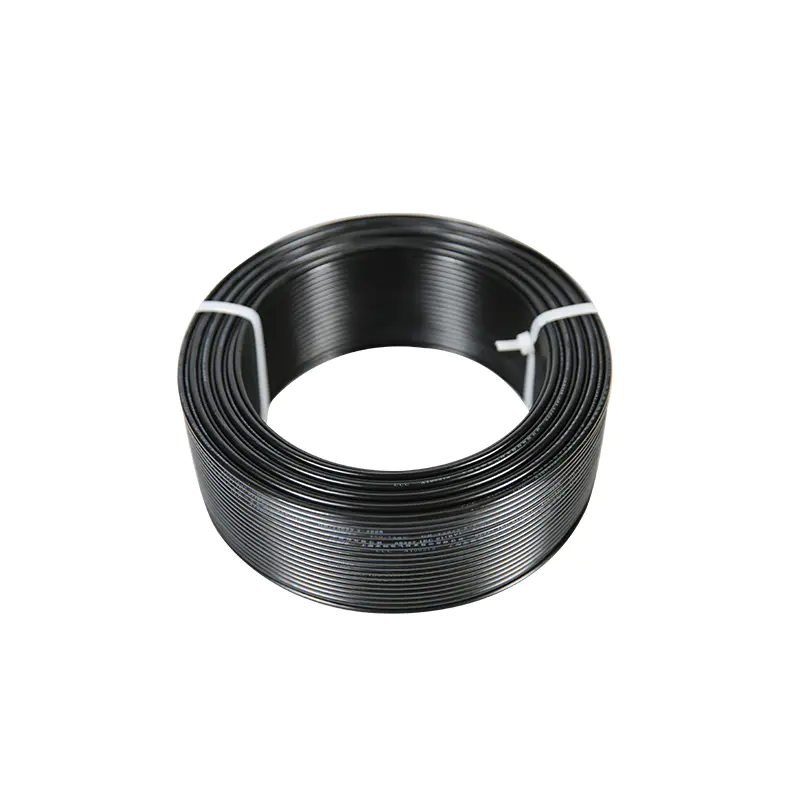
Prevent Electric Shock Through Electrical Insulation
The insulation around a conductor keeps people from touching energized metal. That matters in factories, where cables pass through control cabinets, machinery, production lines, distribution systems. Damaged insulation exposes live conductors or allows contact with nearby metal surfaces. Grounding, circuit breakers, and suitable enclosures add protection, but they don't make damaged cable safe. Worn or cracked sections need repair or replacement—no way around it.
Reduce Short Circuits and Electrical Fires
When conductors at different electrical potentials touch, a short circuit can occur. The resulting current generates heat, causes arcing, damages connected equipment. Cable insulation keeps conductors separated, but its condition changes with age and use. Heat, abrasion, chemicals, incorrect installation—they make insulation crack or deteriorate. A cable meant for an indoor control panel may not belong on outdoor equipment exposed to sunlight and moisture. That's how problems start.
| Insulation material | Main characteristics | Common industrial applications |
|---|---|---|
| PVC | Good electrical insulation, moisture resistance, and cost efficiency | General-purpose wiring and control systems |
| XLPE | High thermal capability and good dielectric properties | Power distribution and industrial installations |
| PE | Good electrical properties and low moisture absorption | Communication and selected power cables |
| Rubber | Flexible and suitable for applications involving movement | Portable equipment and flexible connections |
| Silicone rubber | Maintains flexibility across a wide temperature range | High-temperature equipment and specialized machinery |
PVC shows up in general industrial wiring. XLPE often appears in power cables needing higher temperature capability. Rubber suits flexible connections. Silicone rubber handles wide temperature swings. But the material name alone doesn't establish suitability—check the cable's rated temperature, voltage, flame performance, and chemical resistance against the actual application.
Maintain Safety Under Heat and Mechanical Stress
Cables installed near motors, heaters, furnaces may see sustained heat. When temperatures exceed the insulation's rating, the material can soften, harden, or crack. Movement and physical contact create other risks. Repeated bending, vibration, pulling, abrasion gradually wear through the protective layer. Before selecting a cable, consider:
Machinery with moving parts may need cable designed for continuous flexing. Standard fixed-installation cable isn't necessarily suitable for repeated movement—using it that way tends to shorten service life.
Improve Reliability in Industrial Control Systems
A damaged cable can interrupt power or signal transmission and bring production equipment to a stop. In automated systems, the problem may show up as an intermittent fault that's difficult to trace. Power, sensor, communication, and variable-frequency-drive cables don't always share the same construction requirements. Some applications need shielding or specific separation between cable runs. Routing, grounding, and shielding should follow the equipment manufacturer's instructions and applicable installation standards.
Verify Cable Ratings and Compliance Before Purchasing
"Industrial grade" doesn't tell you enough for a purchasing decision. Buyers should check actual specifications:
| Specification | What buyers should verify |
|---|---|
| Rated voltage | Compatibility with the electrical system |
| Temperature rating | Suitability for operating conditions |
| Conductor material | Copper or aluminum grade and cross-sectional area |
| Insulation thickness | Compliance with the applicable cable standard |
| Flame performance | Required fire-related test classification |
| Environmental resistance | Suitability for moisture, oil, chemicals, and UV exposure |
| Certification | Standards required in the destination market |
Depending on application and market, requirements may include IEC cable standards, UL certifications, or national electrical codes. Confirm the relevant standard and product classification rather than relying on broad compliance claims. Supplier documents should state conductor size, insulation material, voltage rating, test results. For repeat orders, traceability and incoming inspection records help check consistency between approved samples and delivered products.
Support Long-Term Safety Through Inspection and Maintenance
Insulation deteriorates during service. Regular checks should look for cracks, discoloration, swelling, abrasion, loose connections, signs of overheating. Before inspecting or handling wiring, maintenance personnel must follow approved isolation and lockout procedures. Electrical testing belongs to qualified personnel with suitable equipment. Cables with exposed conductors or damaged insulation need prompt assessment and replacement where necessary. Replacement cable must meet the required electrical and environmental ratings—a lower-rated substitute often leads to the same problem recurring.
Select Insulated Cable Wire for Reliable Industrial Operation
Insulated Cable Wire helps prevent accidental contact, short circuits, damage from environmental exposure. Its performance depends on insulation material, cable ratings, installation conditions, ongoing inspection. For industrial applications, buyers need to match the cable to system voltage, operating temperature, mechanical demands, surrounding environment. Proper selection and maintenance keep electrical installations safe and equipment running reliably. That's the goal—not just buying cable, but buying the right cable for the conditions it'll face.
The variety of models, to meet the development needs of various regions in the world.
Copyright © Shanghai Yongjin Electric Technology Co.,Ltd.

China Power Quality Solutions Supplier