English
 中文简体
 русский
 Español
 عربى
Industry News
Home / News / Industry News / How PVC Sheathed Power Cabley Performs in Demanding Industrial Environments
Power cables in an industrial facility rarely have an easy working life. They may run alongside production machinery, pass through crowded cable trays, sit near hot equipment or operate in areas exposed to moisture and cleaning chemicals. Over time, these conditions can damage the cable's outer protection and affect its electrical insulation.
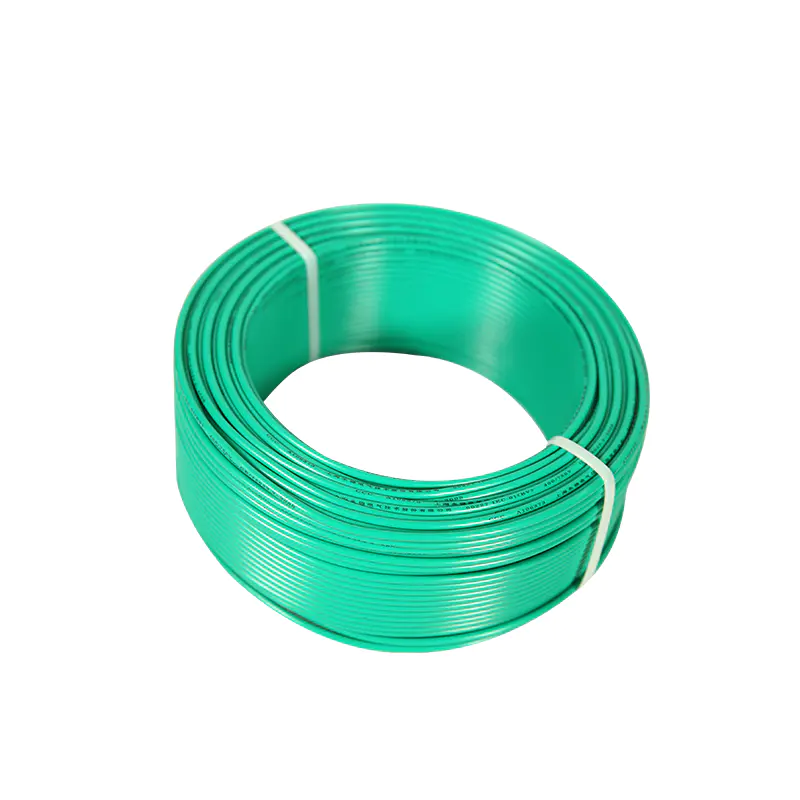
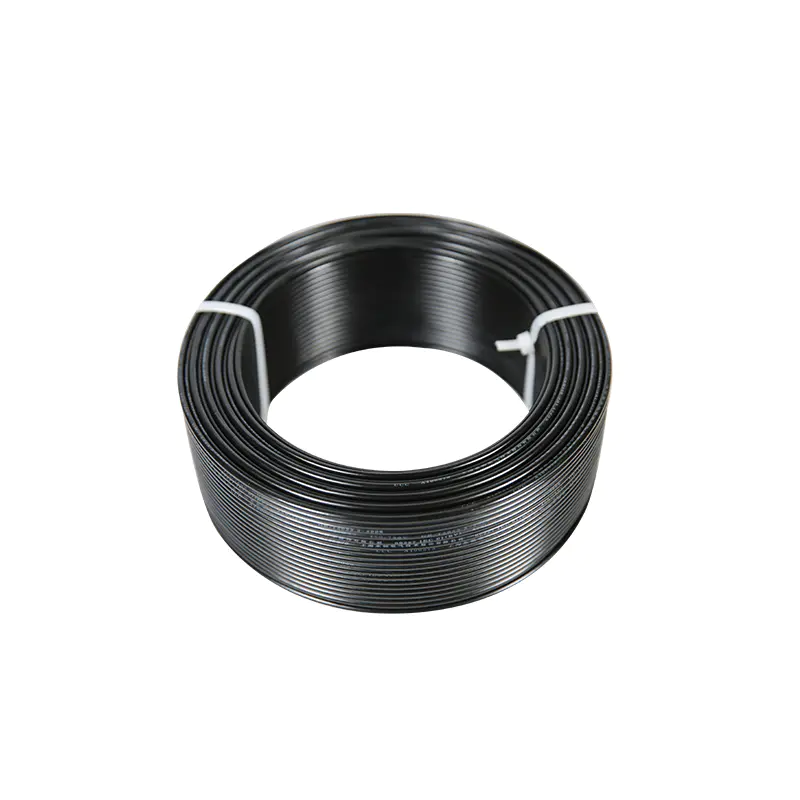
A PVC Sheathed Power Cable is commonly used in industrial and commercial installations because PVC offers a practical combination of electrical insulation properties, mechanical protection and resistance to various environmental conditions. Its actual suitability, however, depends on the compound formulation and complete cable construction. Standard PVC may perform well in a factory workshop but require additional protection in an outdoor installation or an area exposed to aggressive chemicals.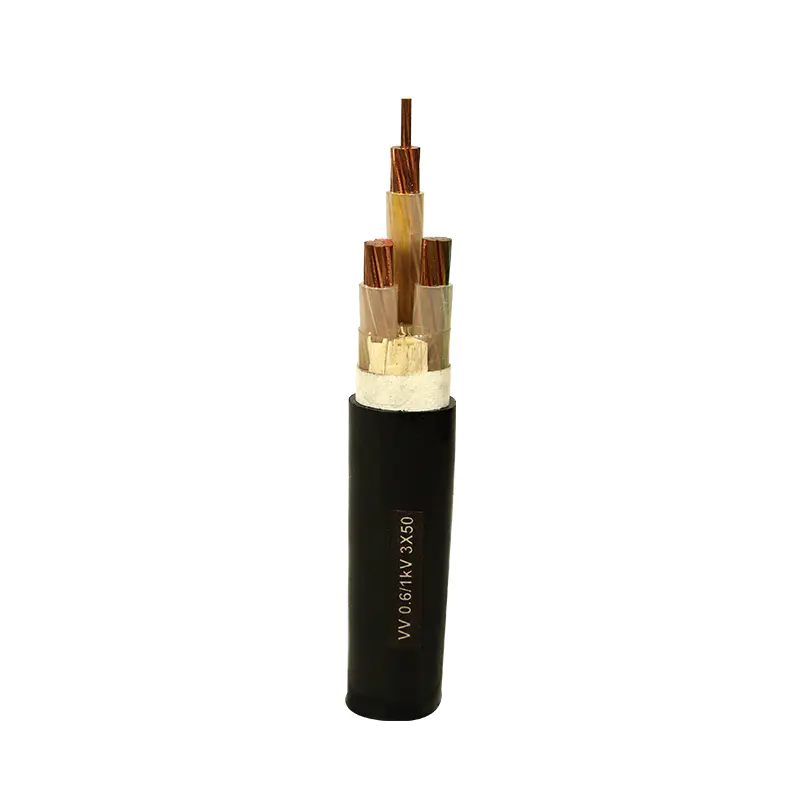
How the PVC Sheath Protects Against Mechanical Damage
Industrial cables are often installed close to moving equipment, metal structures and other electrical components. During installation, pulling and bending can also expose them to friction and pressure.
The PVC outer sheath provides a protective covering that helps resist everyday abrasion, surface contact and minor mechanical damage. This is useful in factories, workshops and distribution areas where cables may encounter occasional contact with surrounding equipment.
The protection has limits, though. A PVC sheath is not designed to withstand every form of mechanical abuse. Sharp metal edges, heavy crushing forces and repeated severe bending can still damage the cable.
Several construction details deserve attention:
For cables installed near heavy machinery, the surrounding installation often matters as much as the cable itself.
Performance in Humid and Moist Industrial Areas
Condensation, water splashes and high humidity are common around pumps, processing equipment and industrial cleaning stations. Moisture entering a damaged cable can eventually compromise its insulation system.
An intact PVC outer sheath helps prevent external moisture from reaching the internal cable layers. This makes it useful in many indoor industrial environments where occasional humidity or water contact is expected.
However, a PVC sheath does not automatically make a cable waterproof. The insulation, joints, connectors and terminations must also provide the required protection. Permanent immersion and underground installation require cables specifically approved for those conditions.
The distinction is important when purchasing cable for pumping stations, washdown areas or outdoor machinery. Check the complete cable specification rather than relying on the material name alone.
Temperature Changes Can Affect PVC Properties
PVC does not behave identically at every temperature. Its flexibility, mechanical strength and long-term durability depend on the formulation and operating conditions.
At elevated temperatures, an unsuitable PVC compound may soften or deteriorate. At low temperatures, some formulations become less flexible and more susceptible to cracking when bent.
Cable selection also requires an understanding of three different temperature limits:
These ratings describe different conditions and should not be treated as interchangeable.
Ambient temperature, conductor loading, cable grouping and installation method also affect the permissible current. A cable that carries a specified current under standard test conditions may require derating when installed in a hot environment or bundled with other loaded cables.
Chemical Exposure Requires More Careful Material Selection
Factories may expose cables to lubricating oils, cleaning agents, fuels and industrial solvents. PVC provides resistance to a range of common substances, but its compatibility varies with the chemical and the compound formulation.
Some oils and solvents can cause swelling, softening or changes in the sheath surface after prolonged contact. Heat and chemical concentration may make the deterioration worse.
| Industrial condition | Typical PVC sheath behavior | What needs checking |
|---|---|---|
| Surface abrasion | Provides useful resistance to everyday wear | Sheath thickness and mechanical exposure |
| Humid environments | Helps prevent external moisture penetration | Complete cable and termination ratings |
| Temperature variation | Performance depends on PVC formulation | Minimum and maximum operating temperatures |
| Oil exposure | Resistance varies by compound | Compatibility with specific oils |
| Dust and dirt | Provides an external protective covering | Sheath integrity and installation condition |
| Direct sunlight | Some formulations are vulnerable to UV degradation | UV-resistant grade or additional protection |
Where cables come into regular contact with industrial chemicals, ask the supplier for relevant compatibility data. A general claim of chemical resistance is not enough to establish suitability for a particular substance.
The Outer Sheath Is Not the Main Electrical Insulation
A typical PVC-sheathed power cable contains several layers. Conductors carry electrical current, individual insulation layers separate the cores, and the outer sheath protects the assembled cable against its surrounding environment.
The conductor and internal insulation determine much of the cable's electrical performance. PVC sheathing provides an additional external barrier but cannot compensate for inadequate conductor sizing or defective internal insulation.
Important electrical specifications include conductor material, cross-sectional area, insulation thickness and rated voltage. Manufacturing consistency also matters because variations in conductor dimensions or insulation quality can affect the finished cable.
Electrical testing commonly covers conductor continuity, insulation resistance and dielectric strength, according to the applicable product requirements. Buyers should request test records that correspond to the actual cable specification and production batch.
Installation and Inspection Affect Service Life
PVC-sheathed cables are available in different core configurations, conductor sizes and constructions. Some are intended for fixed wiring, while others offer greater flexibility through their conductor stranding and insulation design.
A cable suitable for fixed industrial power distribution should not automatically be used in equipment that bends continuously during operation.
During installation, excessive pulling force and tight bends can damage internal layers even when the outside of the cable appears undamaged.
Routine inspections should focus on areas where deterioration is most likely to appear:
Cables routed near moving machinery deserve particular attention because vibration and repeated contact can gradually wear through their protective covering.
What to Check When Purchasing Industrial PVC Power Cable
A product description showing only conductor size and rated voltage leaves several important questions unanswered. Procurement teams need the complete construction specification.
For a PVC Sheathed Power Cable, the purchasing specification should identify conductor material, cross-sectional area, number of cores, insulation type, sheath formulation, rated voltage and temperature limits. Applicable certifications and electrical test reports should also be included.
Supplier evaluation matters as well. Check whether the manufacturer maintains consistent material specifications, conducts routine production inspections and can provide batch traceability. For specialized installations, technical support on chemical exposure, UV resistance and installation requirements can be particularly useful.
Match the Cable Construction to Its Working Environment
PVC sheathing provides a practical solution for many industrial power distribution applications, particularly where cables face ordinary abrasion, humidity and contact with workplace contaminants. It is not a universal solution for extreme temperatures, continuous movement, aggressive chemicals or permanent water exposure.
When selecting a PVC Sheathed Power Cable, the installation environment should determine the material grade and cable construction. Paying attention to these details before purchasing is considerably easier than replacing damaged cables after an electrical fault interrupts production.
The variety of models, to meet the development needs of various regions in the world.
Copyright © Shanghai Yongjin Electric Technology Co.,Ltd.

China Power Quality Solutions Supplier