English
 中文简体
中文简体 русский
 Español
 عربى
عربى
Industry News
Home / News / Industry News / What a Power Factor Correction Capacitor Does Inside an Electrical Panel
Open the door of an electrical panel in a factory, warehouse, processing plant, or commercial facility, and attention usually goes straight to breakers, switches, wiring, and protection devices. Those components are easy to recognize because their purpose is visible. Their job is connected to controlling, distributing, or protecting electrical power.
Less attention is often given to another group of components whose work is less obvious during normal operation. A power factor correction capacitor belongs to that category. It does not start a motor, move a conveyor, operate a fan, or switch a circuit on and off. Its contribution lies deeper within the electrical system, influencing the way energy moves between the supply source and the equipment connected to it.
As industrial facilities continue to rely on motor-driven machinery, pumping systems, air handling equipment, and various forms of inductive loads, reactive power becomes part of everyday operation. The effect is rarely visible on the production floor. Machines continue running, lights remain on, and processes move forward as expected. Yet behind the scenes, electrical infrastructure carries both productive power and reactive power at the same time.
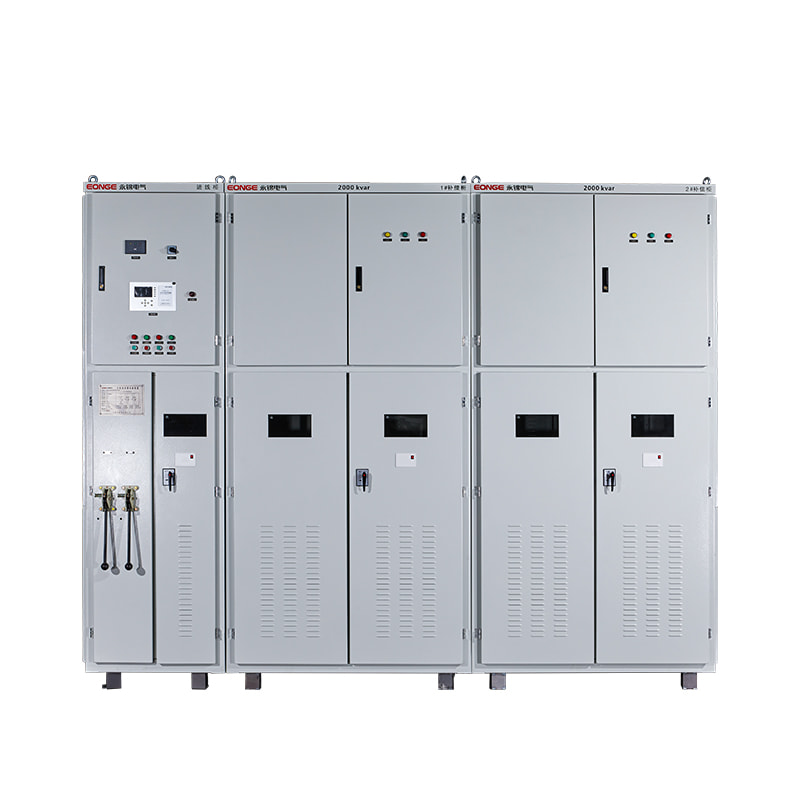
For that reason, compensation equipment has become a familiar sight inside many electrical panels. In some installations, a single capacitor may be sufficient. In others, multiple units are assembled into a pfc capacitor bank capable of responding to changing operating conditions throughout the day.
Understanding the purpose of such equipment requires looking beyond individual components and examining how electrical systems behave when inductive loads become a significant part of daily operation.
Not all electrical energy performs visible work. A motor turning a shaft, a pump moving liquid, or a fan circulating air represents only one part of the electrical process.
Before a motor can rotate, a magnetic field must exist. Before many types of industrial equipment can function, electrical energy must support magnetic conditions inside the equipment itself. Creating and maintaining those fields requires reactive power.
Unlike energy that is converted directly into movement, heat, or another useful output, reactive power behaves differently. It continually moves between the supply source and the load. The process is a normal characteristic of inductive equipment rather than a sign of poor performance.
A simple manufacturing facility provides a useful example. Production lines may contain numerous motors operating at different times. Ventilation systems run in the background. Material handling equipment starts and stops according to operational needs. Pumps cycle through different stages depending on process requirements.
Each piece of equipment contributes a small part to the overall reactive demand. Viewed individually, the effect may appear insignificant. Viewed across an entire facility, the combined demand becomes much easier to notice.
Several conditions often increase reactive power circulation:
Reactive power itself is not a problem. Industrial systems depend on it. The challenge arises when the electrical network must carry increasing amounts of reactive current across long sections of the distribution system. At that point, electrical infrastructure begins handling more current than would otherwise be necessary for productive operation alone.
A capacitor is often described as a device that improves power factor, yet such a description says very little about what actually happens inside the electrical system.
A more practical explanation begins with location.
Without compensation equipment, inductive loads obtain reactive power through the distribution network. Every conductor, transformer, and switching device located between the source and the load becomes part of that path.
When a capacitor is installed within an electrical panel, part of the reactive requirement can be supplied much closer to the equipment creating the demand.
Instead of drawing all reactive power from upstream sections of the network, the load receives support locally.
The change may sound simple, though the impact on electrical flow can be significant. Current associated with reactive demand no longer needs to travel through as much of the system as before. Electrical infrastructure still performs its normal role, yet the movement of reactive current becomes more controlled.
An easy way to picture the process is to imagine equipment repeatedly requesting a resource from a distant location. Every request must travel across the same route. Once a nearby source becomes available, the route becomes less heavily used.
The capacitor acts in a similar manner inside the electrical system.
Its purpose is not to create useful output power for machinery. Instead, it supplies reactive support where reactive demand already exists.
In practical operation, a power factor correction capacitor helps:
None of these actions are visible during normal production. Equipment continues performing the same tasks. The difference appears in how the electrical system supports those tasks behind the scenes.
The relationship between a capacitor and an inductive load resembles a balancing process rather than a replacement process.
Motors still require magnetic fields. Transformers continue operating according to their design. Ventilation systems, conveyors, and processing equipment maintain their normal electrical characteristics.
The capacitor does not remove those requirements.
What changes is the source from which part of the reactive demand is supplied.
Consider a production area containing several motor-driven systems. During operation, each motor creates a demand for reactive power. Without nearby compensation, the entire requirement travels through the distribution network before reaching the equipment.
Introducing a power factor correction capacitor changes the path.
Part of the reactive support originates from the capacitor itself, reducing the amount that must be supplied from elsewhere within the system.
The effect becomes more noticeable as the number of inductive loads increases.
Common environments where compensation equipment is frequently installed include:
Although each facility operates differently, the underlying principle remains consistent. Reactive power is supplied closer to the point where it is needed.
Electrical personnel often describe the result as a more balanced system rather than a fundamentally different one. Machinery performs the same work. Production continues according to normal schedules. The difference lies in the way electrical energy circulates throughout the network.
Electrical demand rarely follows a straight line from the beginning of a workday to the end.
Production schedules change. Equipment starts and stops. Certain machines operate continuously while others run only when required. Maintenance activities, seasonal changes, and process adjustments all influence the electrical profile of a facility.
A single capacitor provides a fixed level of compensation. Such an approach may work well under stable operating conditions, although many industrial environments experience constant variation.
That reality explains the widespread use of pfc capacitor bank systems.
Instead of relying on one correction unit, multiple capacitors are arranged in stages. Individual sections can be connected or disconnected according to actual operating conditions.
The concept is similar to adjusting resources based on demand rather than maintaining the same level at all times.
During periods of lighter operation, fewer stages may be required.
As additional equipment comes online, more stages can become active.
The flexibility offered by a capacitor bank allows compensation to follow changing electrical conditions more closely.
Several practical advantages are commonly associated with staged systems:
Facilities with dynamic operating schedules often benefit from such adaptability because reactive demand rarely remains identical throughout the entire day.
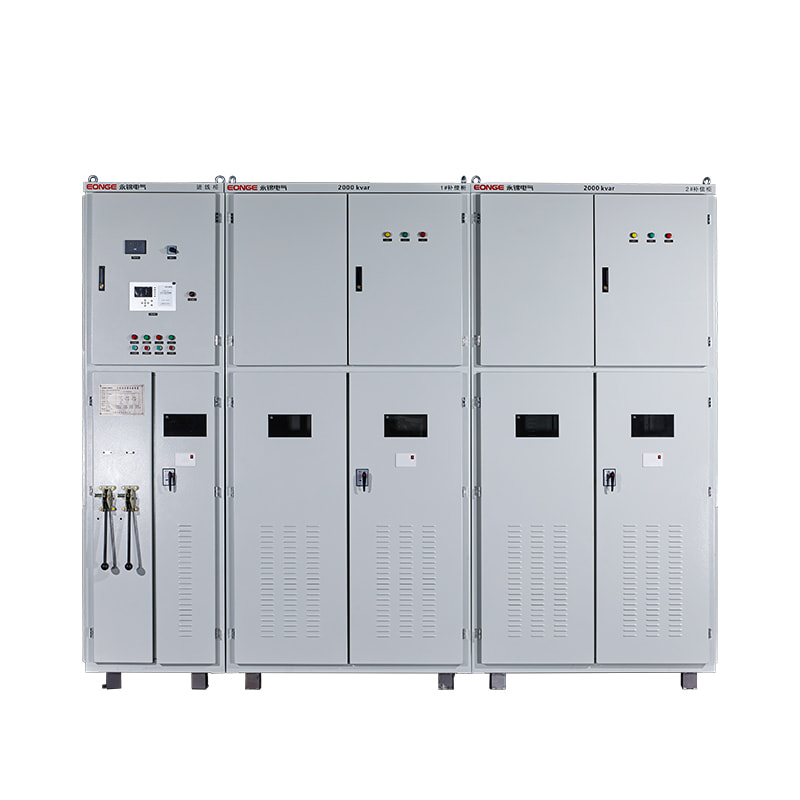
Although layouts vary from one installation to another, several core components appear in many pfc capacitor bank designs.
| Component | Function Within The System | Role In Compensation |
|---|---|---|
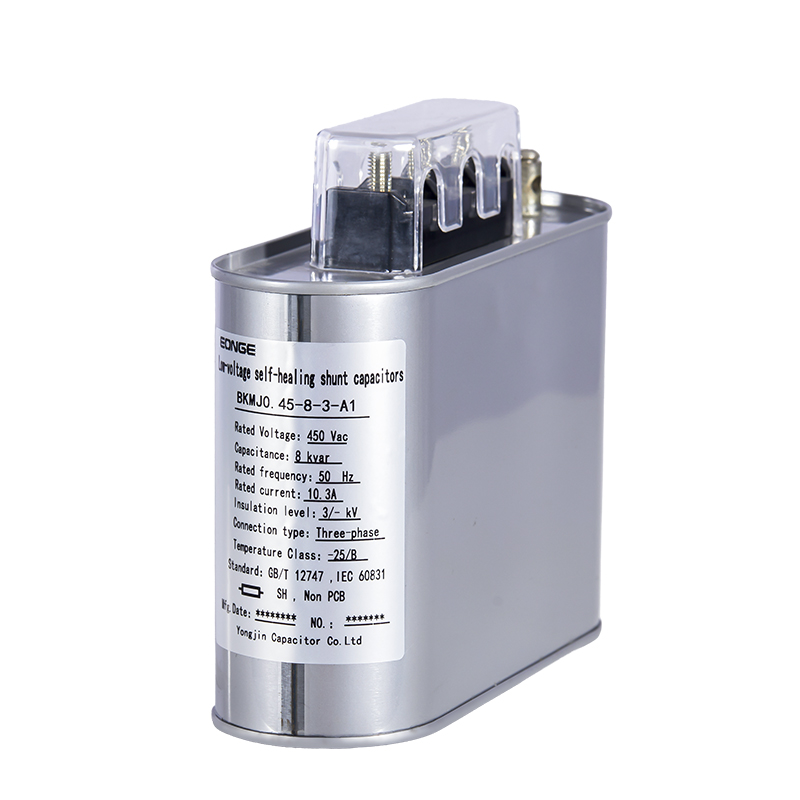
| Capacitor Unit | Stores electrical energy | Supplies reactive support near connected loads |
| Switching Device | Controls connection of stages | Adjusts compensation according to demand |
| Protective Element | Responds to abnormal conditions | Supports stable system operation |
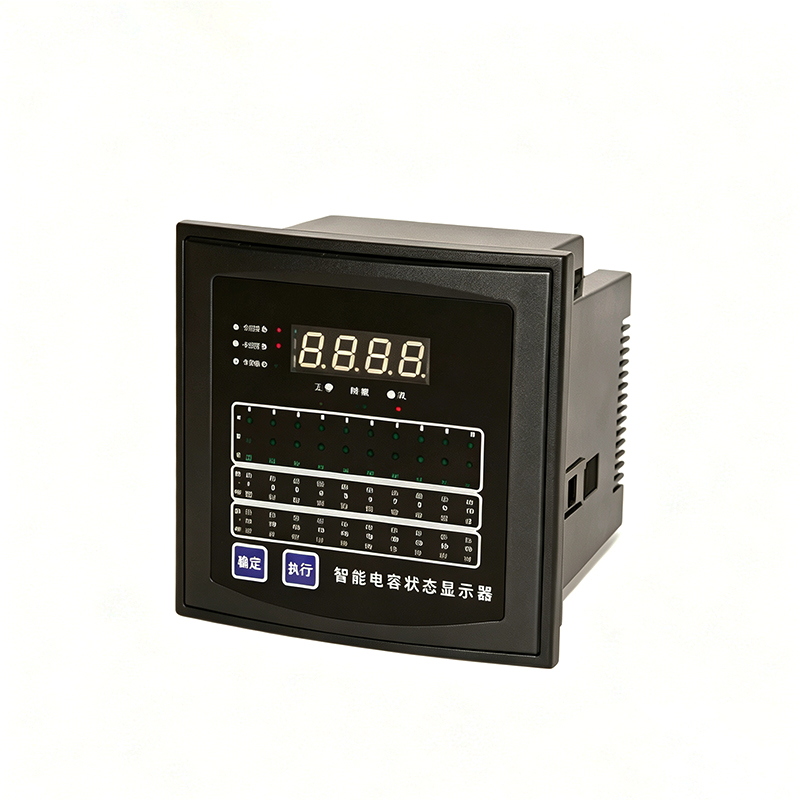
| Control Section | Monitors electrical behavior | Coordinates operation of capacitor stages |
| Panel Structure | Houses and organizes equipment | Supports airflow, installation, and maintenance access |
Viewed separately, each component performs a relatively straightforward task. Viewed together, they form a coordinated system capable of responding to changing electrical conditions while supplying reactive support where it is needed.
Electrical systems serving modern facilities are rarely static. Load conditions change throughout normal operation, sometimes gradually and sometimes within short periods.
Automatic compensation developed as a practical response to that reality.
Rather than depending on manual adjustments, the system continuously observes electrical conditions and determines how many capacitor stages should remain active.
When reactive demand increases, additional stages may be connected.
When demand falls, stages that are no longer required can be removed from operation.
Such adjustments occur quietly in the background while production activities continue.
From an operational standpoint, the goal is not complexity. The goal is maintaining a closer relationship between compensation levels and actual system requirements.
As facilities become more dependent on equipment operating under changing conditions, automatic compensation has become a common feature inside many pfc capacitor bank installations, helping electrical panels respond more naturally to fluctuations occurring throughout the distribution network.
A power factor correction capacitor may appear to be a simple component from the outside, yet its operating environment has a noticeable influence on long-term performance. Electrical panels are rarely isolated from surrounding conditions. Heat generated by nearby equipment, airflow limitations, dust accumulation, and changing load patterns all become part of the operating environment.
Temperature is often one of the more important factors. Electrical panels containing multiple devices naturally generate heat during operation. When internal temperatures remain elevated for extended periods, capacitor materials experience additional stress. For that reason, panel layout often considers airflow paths and spacing between components.
Dust can create a different type of challenge. Industrial environments vary widely, and some facilities contain airborne particles generated by production activities. Over time, accumulated contamination may affect cooling conditions and increase maintenance requirements.
Load variation also plays a role. In facilities where equipment starts and stops frequently, compensation systems may switch stages more often than in facilities operating under relatively stable conditions. Such conditions influence how frequently individual components participate in the correction process.
Several factors commonly observed in operating environments include:
Rather than acting independently, these conditions often influence one another. A panel with limited ventilation may experience higher temperatures, while contamination buildup can further reduce cooling effectiveness.
Electrical distribution systems are designed to move energy from the source to the load as effectively as possible. When reactive current occupies part of the available capacity, conductors, transformers, and other equipment carry additional electrical burden beyond the useful power required by the connected load.
A power factor correction capacitor helps address that situation by supplying reactive support closer to where it is needed. As reactive demand becomes partially satisfied within the local system, upstream infrastructure carries less reactive current.
The practical result is not a change in how machinery performs its work. Motors continue turning, pumps continue operating, and production processes continue according to normal requirements. The difference appears in the way electrical energy moves through the network.
Several operational effects are often associated with compensation:
Many facilities view compensation as part of a broader approach to electrical management. Rather than focusing on a single component, attention is directed toward how the entire distribution system functions under changing operating conditions.
In environments where numerous inductive loads operate simultaneously, even small improvements in electrical balance can influence the overall behavior of the network.
Electrical demand within a facility often changes throughout the day. Production schedules shift, different equipment groups operate at different times, and maintenance activities can alter loading conditions across the network.
A fixed compensation arrangement provides the same correction level regardless of what is happening elsewhere in the system. In some situations that approach is adequate. In others, electrical demand changes too frequently for a fixed response to remain practical.
Automatic compensation systems were developed to address that reality.
Inside a pfc capacitor bank, control equipment continuously evaluates operating conditions and determines how much compensation is required. Additional stages can be connected when reactive demand increases. Stages can also be removed when demand decreases.
The process happens without interrupting normal operations. Personnel working elsewhere in the facility may never notice the adjustments taking place inside the panel.
Several reasons explain the growing use of automatic compensation:
Rather than treating compensation as a fixed setting, automatic systems allow the electrical panel to respond to real operating conditions as they develop.
Like other electrical equipment, compensation systems benefit from routine observation. Maintenance activities do not always involve complex procedures. In many cases, regular inspection helps identify developing issues before they affect operation.
Visual examination is often the starting point. Signs of excessive heat, discoloration, contamination, or physical damage may indicate that further investigation is necessary.
Ventilation conditions also deserve attention. Airflow helps remove heat generated inside the panel. Obstructed vents or heavy dust accumulation can reduce cooling effectiveness and place additional stress on internal components.
Common maintenance activities may include:
A structured maintenance routine often provides a clearer picture of equipment condition over time. Small changes that seem insignificant during a single inspection may become more noticeable when compared across multiple observations.
The objective is not simply extending equipment life. Consistent maintenance also supports stable operation of the broader electrical distribution system.
The effectiveness of a compensation system depends not only on the capacitor itself but also on the surrounding panel design. Component arrangement, spacing, ventilation pathways, and accessibility all influence operating conditions.
Panels designed with attention to airflow allow heat to move away from internal equipment more effectively. Adequate spacing between components can improve cooling and simplify maintenance activities.
Accessibility is another practical consideration. Compensation equipment requires periodic inspection, and panel layouts that allow clear access often make routine maintenance easier.
Several design elements frequently considered during panel construction include:
Although such details receive less attention than the capacitor units themselves, they contribute to the overall operating environment in which the correction system functions.
Electrical systems continue to evolve as facilities adopt new equipment, expand production capabilities, and adapt to changing operational requirements. Despite those changes, the basic challenge associated with reactive power remains familiar.
Motors, transformers, and other inductive loads continue to require reactive support as part of normal operation. As long as such equipment remains part of industrial and commercial infrastructure, power factor correction capacitor installations will continue to play a role inside electrical panels.
The form of compensation systems may change over time. Control methods may become more flexible. Monitoring capabilities may become more detailed. Panel designs may continue to improve. Yet the underlying objective remains largely unchanged.
Reactive power should be supplied in a manner that supports balanced electrical operation while making effective use of available infrastructure.
For that reason, the combination of power factor correction capacitor technology and pfc capacitor bank systems remains a familiar feature in many electrical distribution networks, quietly supporting the operation of equipment throughout factories, processing facilities, commercial buildings, and other environments where inductive loads form part of everyday activity.
The variety of models, to meet the development needs of various regions in the world.
Copyright © Shanghai Yongjin Electric Technology Co.,Ltd.

China Power Quality Solutions Supplier