


 English
 中文简体
中文简体 русский
 Español
 عربى
عربى
Industry News
Why Proximity to Load Matters for a Low Voltage Capacitor
In any electrical installation, components occupy real physical positions within a facility, and the distance between a capacitor and the equipment it supports is really just the length of conductor connecting the two. That spacing varies wildly across installations — some systems tuck the capacitor right next to the load, sometimes sharing the same enclosure, while others place it in a separate room entirely, or even a different floor altogether.
"Proximity" here means more than just feet or meters, though. It covers the entire path an electrical signal travels from capacitor to load connection point — every inch of conductor, every termination, every junction along that route feeds into the overall relationship between the two. Understanding this distance matters because a conductor path never transports energy without leaving some mark on it — it brings its own characteristics into the system, whether anyone accounts for that or not.
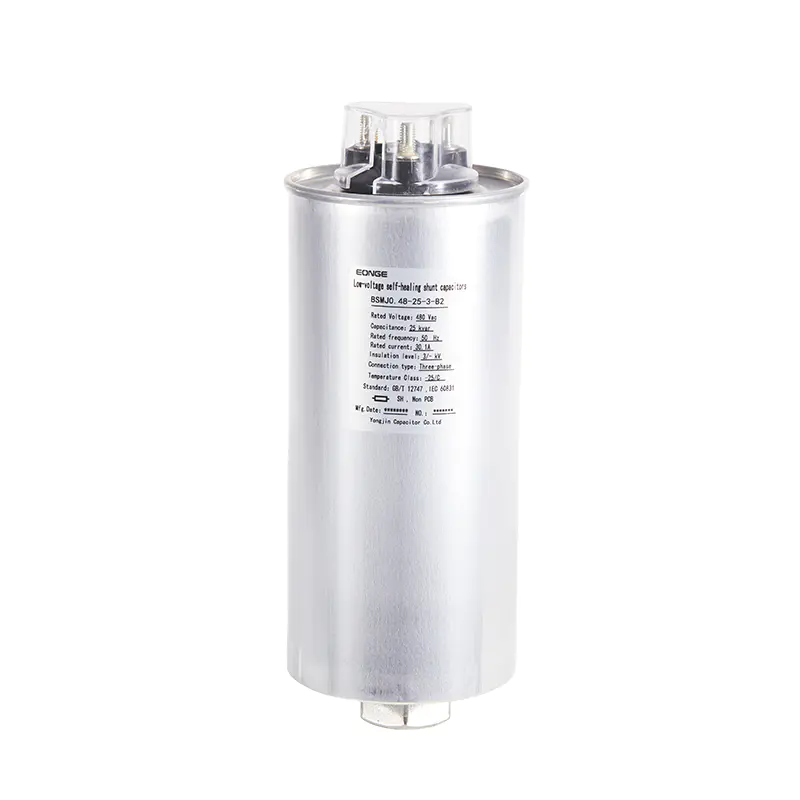
System designers pay real attention to this spacing, and for good reason. Physical equipment layout often gets locked in early during design, sometimes before anyone's fully analyzed the electrical behavior of the system. A layout that looks perfectly convenient on paper can introduce distance‑related effects that only surface once the system's actually running. Worth separating out too: electrical proximity and physical proximity aren't the same thing. Two components sitting close together in physical space can still have a surprisingly long electrical path if the conductor routing winds indirectly through panels and raceways.
Why Distance Affects Low Voltage Capacitor Performance
The connection between a capacitor and its load runs through conductors that carry their own electrical characteristics — none of them are perfectly neutral. They all bring properties that shape whatever current passes through them. As current flows from capacitor toward load, the conductors in between interact with that current in ways tied to length, cross‑section, material, and physical arrangement.
A capacitor's intended function really depends on delivering its effect to the load with as little alteration along the way as possible. Push the capacitor farther from the load, and you're adding more conductor material between the two points — material that changes how the capacitor's output actually arrives at the equipment. That shift can be subtle in some installations, far more noticeable in others, depending heavily on the specific characteristics of both load and connecting path.
Every connection point along the route adds something too. Terminations, splices, bus bar joints — each introduces its own small variation. String multiple connections between capacitor and load together, and these variations start stacking up. The cumulative effect can shift how the capacitor performs in ways that single‑component specs simply don't capture, since catalog ratings typically assume ideal connection conditions that rarely match what's actually installed in the field.
What Happens to Voltage Along the Path from Capacitor to Load
Voltage doesn't stay constant along a conductor path — one level exists right at the capacitor terminals, another may show up at the load connection points, and the gap between them depends entirely on what sits in between. Every conductor section, every connection, every junction leaves its mark on the voltage that finally reaches the load.
The cumulative effect of multiple connections and junctions along the path is really worth thinking through. A single connection point introduces a small variation on its own; several in series introduce variations that add together into something bigger. The total gap between capacitor terminals and load terminals just reflects the combined effect of the whole path — and that gap tends to grow more significant as distance increases or connection count climbs.
The capacitor's job, fundamentally, involves maintaining appropriate conditions right at the load. When physical separation introduces voltage differences along the path, the capacitor has to work through those differences to actually do its job. Compensation happening at the capacitor's own terminals doesn't necessarily translate cleanly to the load if the path in between alters conditions along the way. Looking at systems where separation varies makes clear that the relationship between capacitor output and load conditions hinges on more than just the capacitor's own internal characteristics.
How Connecting Conductors Shape the Capacitor's Effectiveness
Conductors linking a capacitor to a load aren't passive pipes just moving energy from point A to point B. They carry real characteristics that interact directly with the capacitor's output, and how that interaction plays out depends on conductor length, cross‑sectional area, material, and how it's arranged relative to other conductors nearby.
The impedance introduced by wiring and bus bars shapes how the capacitor's output actually reaches the load. This impedance exists at any current level, though its effects tend to become more apparent under certain operating conditions than others. The conductor path is really just one more element in the circuit the capacitor has to work through to serve the load — and the ideal case of a direct, zero‑impedance connection almost never exists in real installations.
Conductor selection carries more weight as the distance between capacitor and load grows. A conductor perfectly adequate over a short run can fall short over a longer one. Because conductor characteristics and capacitor effectiveness are so tightly linked, it's really the entire installation — not the capacitor in isolation — that determines how well the system does its job. Gaps between the ideal conditions assumed during product design and the messier realities of actual installation can shape outcomes in ways that careful conductor selection genuinely helps address.
Does Installation Practice Determine the Feasible Distance
Installation practice really comes down to decisions made during layout and equipment placement, and those decisions often reflect physical constraints just as much as electrical ones. Where existing equipment sits, how much space is actually available, how conductors get routed through the facility — all of it shapes where a capacitor ultimately ends up installed.
Common installation approaches produce a wide range of distances between capacitor and load. Some facilities centralize the capacitor, serving multiple loads from one spot; others distribute capacitors out closer to individual loads instead. Which approach wins out usually depends on facility layout, equipment accessibility, and maintenance needs — electrical performance is just one factor among several shaping placement decisions, not the only one.
The trade‑off between electrical considerations and practical installation needs shows up again and again in system design. A spot offering great electrical proximity might create real headaches for maintenance access or conductor routing. Flip it around, and a location convenient for installation might introduce more distance between capacitor and load than anyone would prefer. How that balance plays out varies facility to facility, shaped by whatever specific characteristics each installation brings to the table. Here's how the common trade‑offs generally break down:
| Installation Consideration | Shorter Separation Arrangement | Extended Separation Arrangement |
|---|---|---|
| Conductor length | Shorter path, less conductor material needed | Longer path, more material and associated cost |
| Connection points | Fewer junctions along the route | Multiple connections and terminations to manage |
| Installation flexibility | Limited by capacitor placement options | Greater freedom in equipment positioning |
| Maintenance accessibility | May be constrained by load proximity | Easier access with more space available |
| Overall system behavior | Capacitor effect reaches load more directly | Additional path elements influence the connection |
Physical constraints often dictate where equipment can actually go. Existing structures, other equipment, building services — all of it competes for the same limited space. The feasible distance between a capacitor and its load really ends up as a design variable, worked out through balancing electrical, physical, and operational considerations together. Every installation arrives at its own answer to that distance question, shaped by its own particular mix of constraints.
How Performance Changes When Multiple Loads Share One Capacitor
A single capacitor sometimes ends up serving several pieces of equipment instead of just one dedicated load — this shows up in plenty of facilities where running a separate capacitor to every load just isn't practical. The distance from capacitor to each load varies across the group naturally. One load might sit right next to the capacitor; another might sit much farther down the same supply path.
That distance variation creates genuinely different conditions for each piece of equipment sharing the capacitor. Whatever's closest gets a shorter path with fewer intervening elements to worry about. Whatever's farthest deals with more conductor material and more connections stacked between it and the source. Both loads receive the capacitor's effect, sure, but that effect arrives at each one through a fairly different route.
Different load characteristics interact with the same supply path in their own ways too. Equipment with steady current draw responds to distance‑related effects differently than equipment with fluctuating demand does. How a given load's characteristics interact with its particular path to the capacitor really determines how effectively that capacitor ends up serving it.
Optimal placement gets genuinely tricky once you're serving multiple points from one capacitor. A spot that works well for one load won't necessarily work equally well for another. Designers often end up picking a placement that's a reasonable compromise across the loads being served — dedicated capacitors for each load offer more precise control, sure, but that comes with added equipment and space requirements. Which approach makes sense really depends on the specific facility and its operating patterns.
What Field Observations Across Installations Reveal About Distance
Looking across different facility types, some clear patterns emerge around how distance shapes capacitor performance. Some installations keep capacitors right next to their loads, resulting in short paths with minimal material in between. Others centralize capacitors, which creates longer paths to some loads and shorter ones to others. These varied arrangements offer genuinely useful practical insight into the distance question.
Short separation arrangements consistently show the capacitor's effect reaching the load with fewer alterations along the way. Less conductor material, fewer connection points — conditions at the load end up matching the capacitor terminals much more closely. That direct relationship simplifies analysis and cuts down uncertainty about how the capacitor will actually perform once it's running.
Extended separation arrangements tell a different story. Additional path elements genuinely affect the connection between capacitor and load — more material, more connections, each contributing its own quirks to overall behavior. The cumulative effect means conditions at the load can diverge more noticeably from conditions right at the capacitor terminals. Anyone designing around extended separations really needs to account for these differences up front, not discover them after commissioning.
Operating conditions shift this relationship further still. The exact same installation can behave differently under light load versus heavy load. Because load type genuinely shapes what distance actually proves workable, there's no single distance figure that applies universally across installations. Each one needs its own look at operating patterns and equipment characteristics to land on the right capacitor placement.
Why a Power Capacitor Factory Might Weigh Distance During Product Development
Manufacturing facilities producing capacitors generally design with certain application conditions already in mind. The expected installation environment shapes decisions around internal construction, terminal arrangements, and overall configuration. Understanding how distance shapes field performance helps these facilities build products that hold up reliably across typical installation conditions.
A Power Capacitor Factory might genuinely fold distance considerations into product specs and application guidance. The application knowledge built up through experience across countless installations informs recommendations around appropriate use conditions. When customers end up installing products in ways that stray far from the intended application conditions, observed performance may simply not match what was expected.
Factory guidance on installation practice helps end users land on consistent results. That guidance often covers conductor selection, connection methods, and placement relative to loads. How product characteristics relate to typical installation distances really shapes the advice that gets passed along to customers. Manufacturers who genuinely understand the distance question tend to offer far more useful guidance as a result.
The back‑and‑forth between manufacturers and end users feeds into product evolution too. Feedback from actual field installations offers real information about how products behave across varying distance conditions, and that feedback can shape future product development or application recommendations down the line. The distance question stays relevant across the whole product lifecycle — from initial design straight through to field application.
How System Designers Can Evaluate the Distance Question for Their Situation
Designers working through the distance question for a specific installation run into several variables worth weighing. Every installation brings its own mix of load characteristics, available space, and conductor routing options. A methodical approach to working through these helps identify what distance actually fits the specific conditions at hand.
A few factors shape the acceptable distance in any given installation:
- The type of loads being served and their current draw patterns
- The physical layout of the facility and available equipment space
- The conductor routing options and associated path characteristics
- The number of connection points required along the route
- The maintenance access requirements for both capacitor and loads
Assessing the impact of separation practically means looking at the entire path between capacitor and load, not just the capacitor in isolation. Conductor length, material, connection quality — all of it feeds into overall behavior. Installations that factor these path characteristics in during the design stage are far more likely to hit expected performance once running.
Installation characteristics really do drive outcomes here, worth being direct about it. Two identical capacitors installed at different distances from their loads can produce noticeably different results. The distance question is fundamentally about the whole installation arrangement, not the capacitor sitting on its own. Worth asking during design: what are the expected operating patterns, what installation options actually exist, and what practical constraints are shaping placement decisions either way.
Does Proximity Affect Long‑Term System Operation
The distance arrangement settled on during installation shapes day‑to‑day operation in ways that can become more apparent as time goes on. A capacitor placed close to its load tends to run under conditions that more closely match what it was actually designed for. A more direct path means fewer variables tugging at the connection, which tends to contribute to more consistent behavior over the system's life.
Consistency really matters for reliable performance across an installation's lifespan. Systems where the capacitor's effect reaches the load directly tend to show fewer variations in behavior over time. The placement choices made at the outset can end up shaping system performance long after commissioning wraps up.
Looking across how different installation choices play out over time, proximity is genuinely worth weighing from the earliest design stages. Facilities that placed low voltage capacitor with real attention to load proximity often report steadier operating experiences than those where placement was decided mostly for convenience. The long‑term effects of installation distance aren't always obvious right away, but they tend to surface more clearly across years of operation.
Because installation choices and system behavior stay linked over time, the distance question carries real weight for sustained operation. Extra design effort up front for thoughtful placement isn't free, sure, but the payoff in stable performance across the system's service life tends to justify it. Every installation really comes down to a set of choices about equipment placement — and those choices shape the operating experience for as long as the system stays in service.

Recommended Products
The variety of models, to meet the development needs of various regions in the world.
Copyright © Shanghai Yongjin Electric Technology Co.,Ltd.

China Power Quality Solutions Supplier