


 English
 中文简体
中文简体 русский
 Español
 عربى
عربىInside a Modern Electric Safety Tools Factory
Advanced Manufacturing Infrastructure
A contemporary Electric Safety Tools Factory operates with precision engineering at its core. Production facilities typically span thousands of square meters, housing multiple specialized production lines. These integrated facilities combine metal processing equipment, friction welding machinery, and automated assembly systems. The layout separates raw material storage, production zones, and quality control areas to optimize workflow efficiency. Modern factories invest heavily in dust-free environments for insulating component production. Even microscopic contamination directly affects dielectric performance and worker safety. Temperature and humidity controls maintain stable conditions throughout manufacturing areas. This infrastructure investment enables manufacturers to serve both domestic and international markets with reliable products.
Comprehensive Product Range
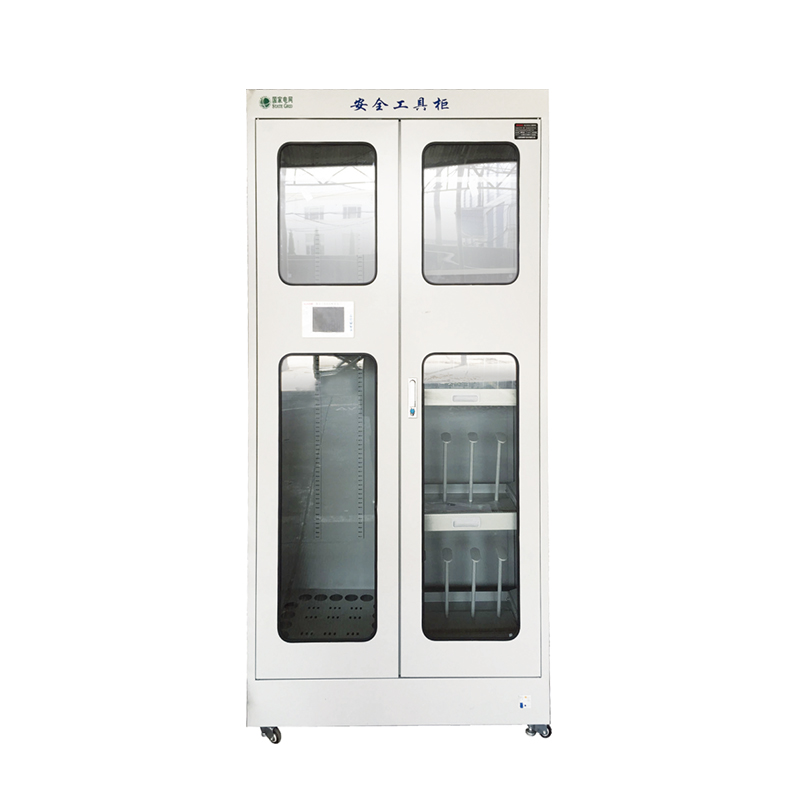
Visitors to any established Electric Safety Tools Factory will observe an extensive array of manufactured items. Production encompasses safety tool cabinets for organized storage and temporary work zone barriers. Stainless steel barriers for permanent installations and hard hats for head protection roll off assembly lines daily. Flood prevention boards for outdoor substations and rodent protection devices for cable trenches undergo rigorous fabrication. Grounding wires carrying fault current safely and voltage detectors confirming de-energized conditions represent critical product categories. Warning signs communicating hazards and insulating rubber mats providing standing protection complete the typical portfolio. This remarkable product diversity requires flexible manufacturing capabilities. The Electric Safety Tools Factory must respond rapidly to varying market demands across utility, industrial, and construction sectors.
Specialized Testing Laboratories
Quality verification represents a critical function within every reputable Electric Safety Tools Factory. Dedicated laboratory spaces operate separately from production areas to prevent interference. These specialized laboratories conduct mechanical strength testing to verify product durability. High voltage experiments confirm dielectric properties using calibrated equipment traceable to national standards. Facilities operate machines capable of applying controlled forces while recording stress-strain data. systems simulate real-world operating conditions up to transmission voltages. The presence of in-house allows manufacturers to verify material compositions before products ship. Some advanced factories maintain testing capabilities up to 800 KV. This substantial infrastructure ensures compliance with international quality standards and provides documentation for regulatory certification.
Research and Development Capabilities
Innovation drives growth in the electrical safety sector. Research and development departments prove essential to any forward-thinking Electric Safety Tools Factory. Engineering teams collaborate closely with utility clients and industrial customers. These partnerships tailor solutions addressing specific workplace challenges that standard products cannot resolve. Research centers explore new materials, composite formulations, and advanced manufacturing methods. Experienced engineers with decades of combined design expertise contribute to patent development. The research focus includes enhancing ergonomics for extended wearing comfort. Reducing weight while maintaining required protection levels remains a priority. Integrating smart technologies such as RFID tracking into traditional safety equipment enables better asset management. This continuous innovation cycle helps manufacturers maintain competitive advantages.
Global Manufacturing Presence
Major Electric Safety Tools Factory operations extend across multiple countries. Strategic international footprints allow companies to leverage different manufacturing strengths. Some manufacturers maintain corporate headquarters in the United States. Additional sales offices operate in Hong Kong and Taiwan. Dedicated production facilities run in both America and China simultaneously. Consistent quality standards apply across all locations through unified management systems. Chinese facilities often exceed 250,000 square feet with capacity for thousands of production workers. These locations manufacture high-volume items cost-effectively for global distribution. American operations focus on specialized products requiring closer customer collaboration. This global infrastructure enables responsive supply chains with reduced shipping times. Localized customer support reaches utility companies, industrial clients, and distribution partners worldwide.

Recommended Products
The variety of models, to meet the development needs of various regions in the world.
Copyright © Shanghai Yongjin Electric Technology Co.,Ltd.

China Power Quality Solutions Supplier