


 English
 中文简体
中文简体 русский
 Español
 عربى
عربىSteps Are Involved in the High Voltage Capacitor Installation Process
High Voltage Capacitor Installation is a crucial process for improving the efficiency and stability of power systems. These capacitors play a key role in regulating voltage and enhancing power factor correction, which ultimately leads to more reliable electrical systems. Here, we will explore the steps involved in a typical high-voltage capacitor Installation.
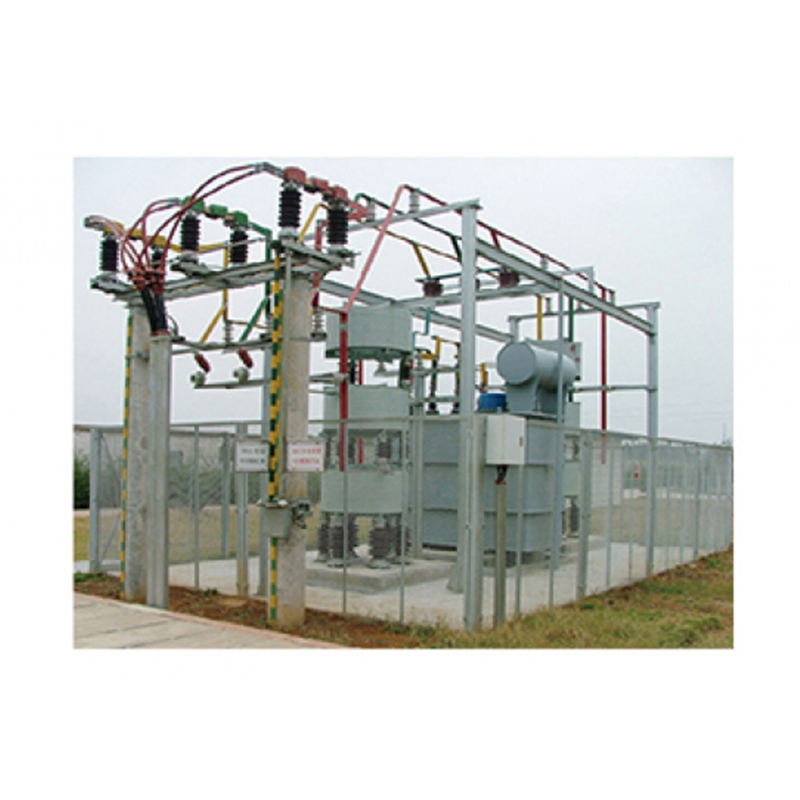
Step 1: Initial Assessment and Site Preparation
Before any installation begins, a thorough assessment of the site is required. This includes understanding the power system's requirements, evaluating the available space, and ensuring that all necessary infrastructure is in place. A qualified engineer will typically analyze the existing power distribution system and determine the most effective locations for the High Voltage Capacitor Installation.
The site must be carefully prepared to accommodate the capacitor bank, which includes ensuring adequate space, proper grounding, and compliance with local electrical codes. Depending on the size and scope of the installation, a detailed blueprint or schematic may be created to guide the installation team.
Step 2: Selection of Capacitor Specifications
Choosing the right specifications for the capacitors is critical to the success of the High Voltage Capacitor Installation. The capacitor’s voltage rating, current, and capacity must be matched with the system’s requirements. Engineers must consider factors such as the type of load the system will carry, the expected voltage fluctuations, and the power factor correction goals.
Capacitors come in various configurations, including individual units or banks of capacitors. The appropriate selection will ensure that the capacitor bank can deliver optimal performance without overloading the system or underperforming. Once the correct specifications are identified, the capacitor units are procured from reputable manufacturers.
Step 3: Installation of the Capacitor Bank
With all preparations in place, the actual High Voltage Capacitor Installation can begin. This step involves placing the capacitors into the designated locations and wiring them according to the installation plan. Capacitors are often connected in series or parallel, depending on the required power correction and voltage levels.
During the installation, it is crucial to follow strict safety protocols due to the high-voltage environment. Proper insulation, secure mounting, and careful handling of the electrical connections are necessary to avoid electrical hazards. The team will also ensure that all components are properly grounded to prevent electrical faults.
Step 4: Integration with the Power System
Once the capacitors are installed, the next step is integrating them into the power system. This involves connecting the capacitor bank to the existing electrical infrastructure, ensuring it works in harmony with the system’s load and voltage requirements. This integration step may include the installation of switches, breakers, and relays to control the capacitor bank’s operation.
The High Voltage Capacitor Installation must be synchronized with the system’s voltage levels to avoid damage to the capacitors or the grid. This is a critical phase that requires precision and a deep understanding of the electrical grid’s dynamics.
Step 5: Testing and Calibration
After the installation and integration are complete, the system undergoes a series of tests to verify its functionality. Engineers will check the system’s response under various load conditions to ensure that the capacitor bank is performing as expected. They will test voltage levels, current flow, and the power factor correction to confirm that the installation meets the desired specifications.
Calibration is an essential part of the High Voltage Capacitor Installation process. The capacitors must be fine-tuned to deliver optimal voltage regulation and power factor improvement. Any discrepancies or performance issues are addressed during this stage to guarantee the system’s stability.
Step 6: Commissioning and Ongoing Maintenance
The final step in the High Voltage Capacitor Installation process is commissioning the system for full operation. This includes providing training to personnel who will operate and maintain the system. Ongoing maintenance is crucial to ensure the capacitors continue to perform effectively. Routine inspections and testing help identify potential issues before they become significant problems.
As with any electrical installation, regular maintenance ensures the longevity of the system and minimizes the risk of costly repairs. Technicians will monitor the capacitor bank’s performance, making adjustments as necessary to keep the system running smoothly.
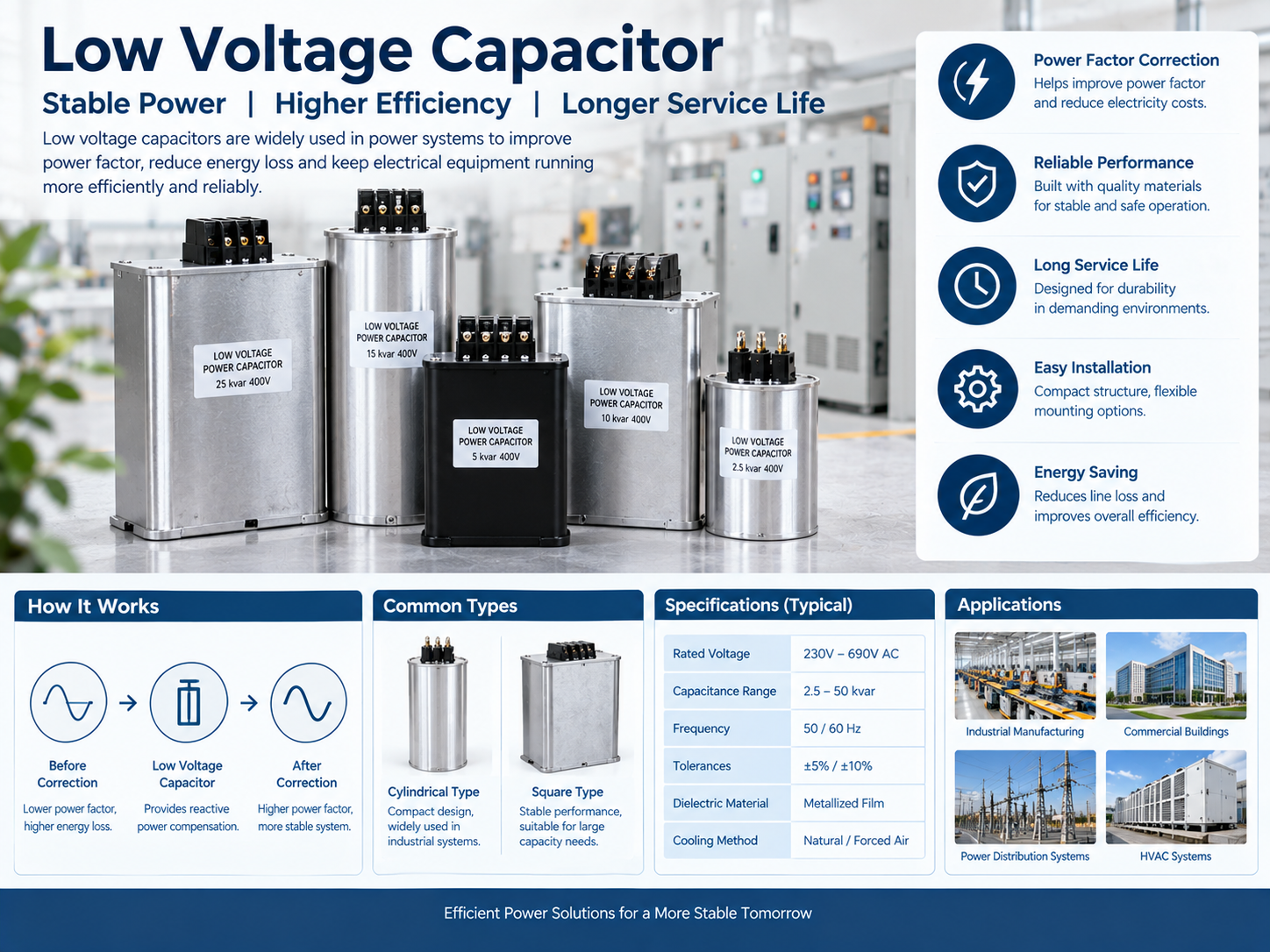
Recommended Products
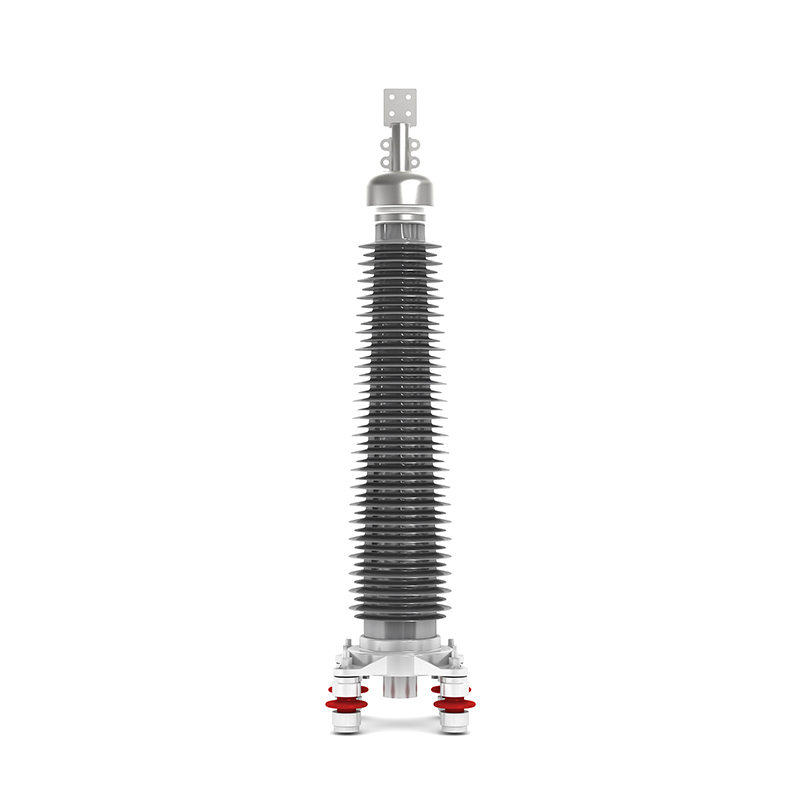
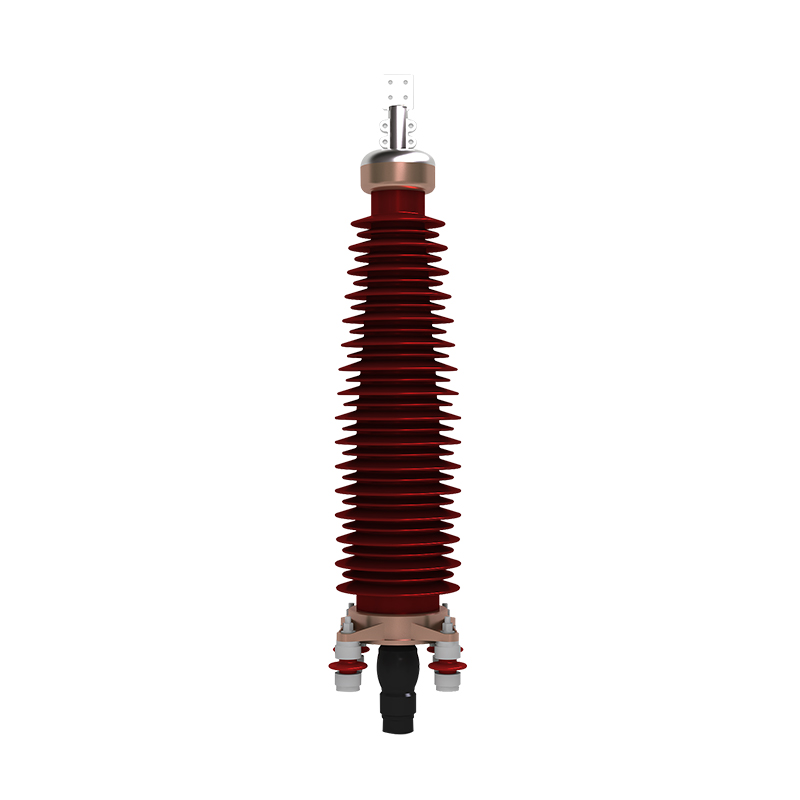
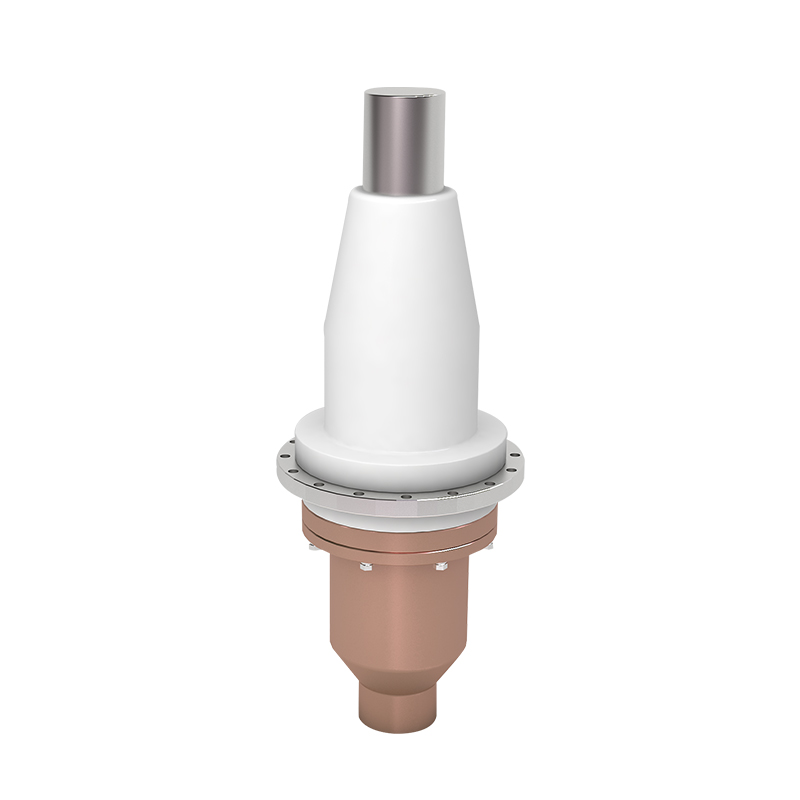
The variety of models, to meet the development needs of various regions in the world.
Copyright © Shanghai Yongjin Electric Technology Co.,Ltd.

China Power Quality Solutions Supplier