


 English
 中文简体
中文简体 русский
 Español
 عربى
عربى
Industry News
Understanding High Voltage Capacitor Unit Functions and Design
What Is a High Voltage Capacitor Unit
A High Voltage Capacitor Unit is an electrical component designed to store and release energy in high-voltage power systems. It is commonly used in industrial, utility, and power transmission applications where stable voltage regulation and reactive power support are required.
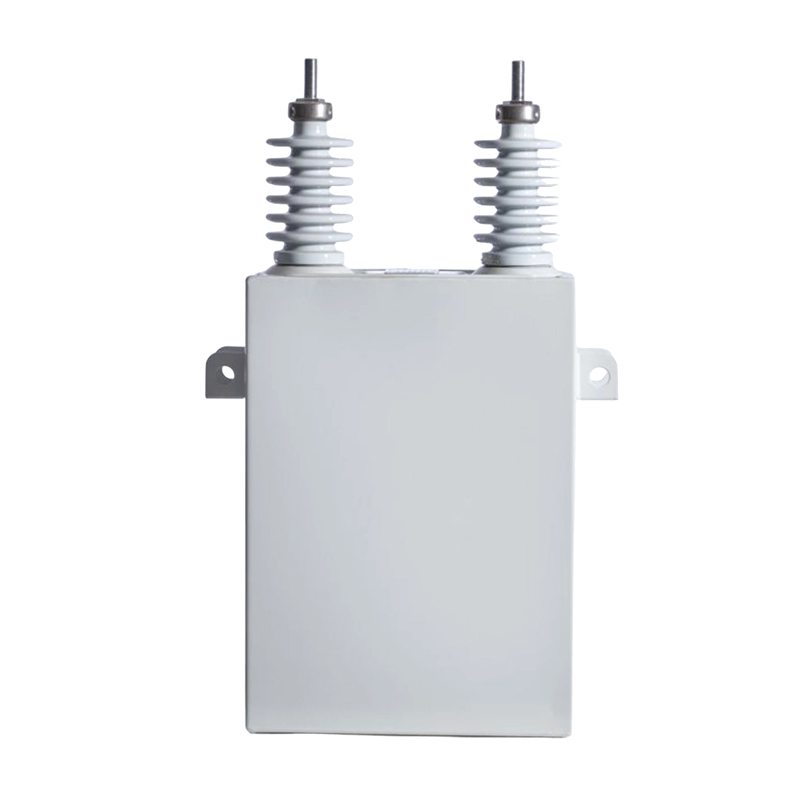
A High Voltage Capacitor Unit plays an important role in maintaining system efficiency by balancing power flow and improving overall electrical performance.
How Does a High-Voltage Capacitor Unit Work
The operation of a High Voltage Capacitor Unit is based on the principle of energy storage in an electric field. When voltage is applied, electrical energy is stored between conductive plates separated by an insulating dielectric material.
When the system requires energy, the High Voltage Capacitor Unit releases the stored charge back into the circuit. This process helps stabilize voltage fluctuations and supports consistent power delivery.
What Are the Main Components Inside
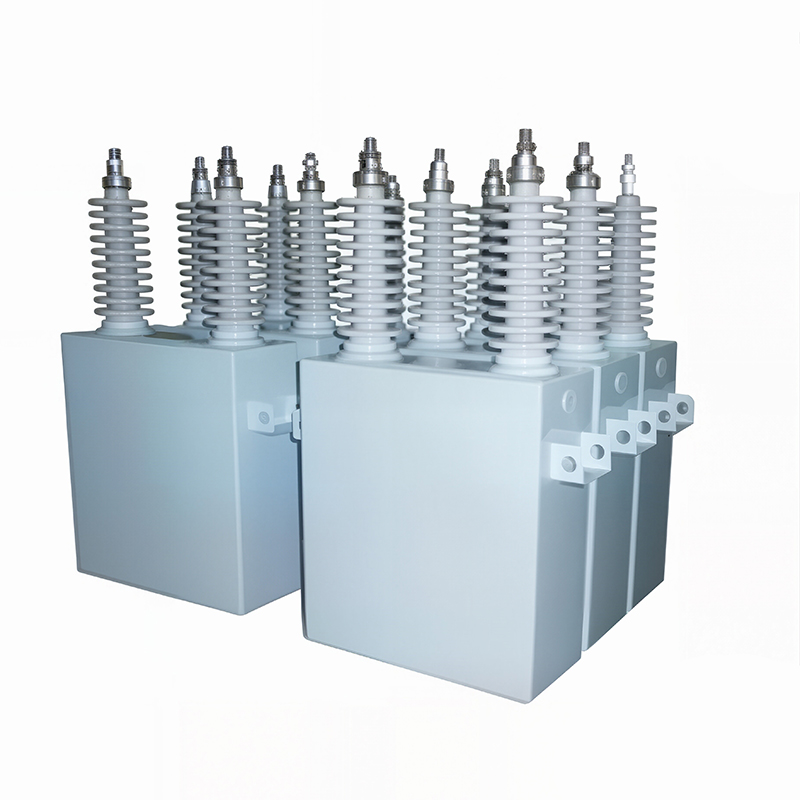
A typical High Voltage Capacitor Unit consists of capacitor elements, dielectric insulation, conductive electrodes, and a protective casing. The internal elements are arranged to ensure safe energy storage under high electrical stress.
The casing of a High Voltage Capacitor Unit is designed to protect internal components from environmental factors such as moisture, dust, and temperature variations.
Where Are High Voltage Capacitor Units Used
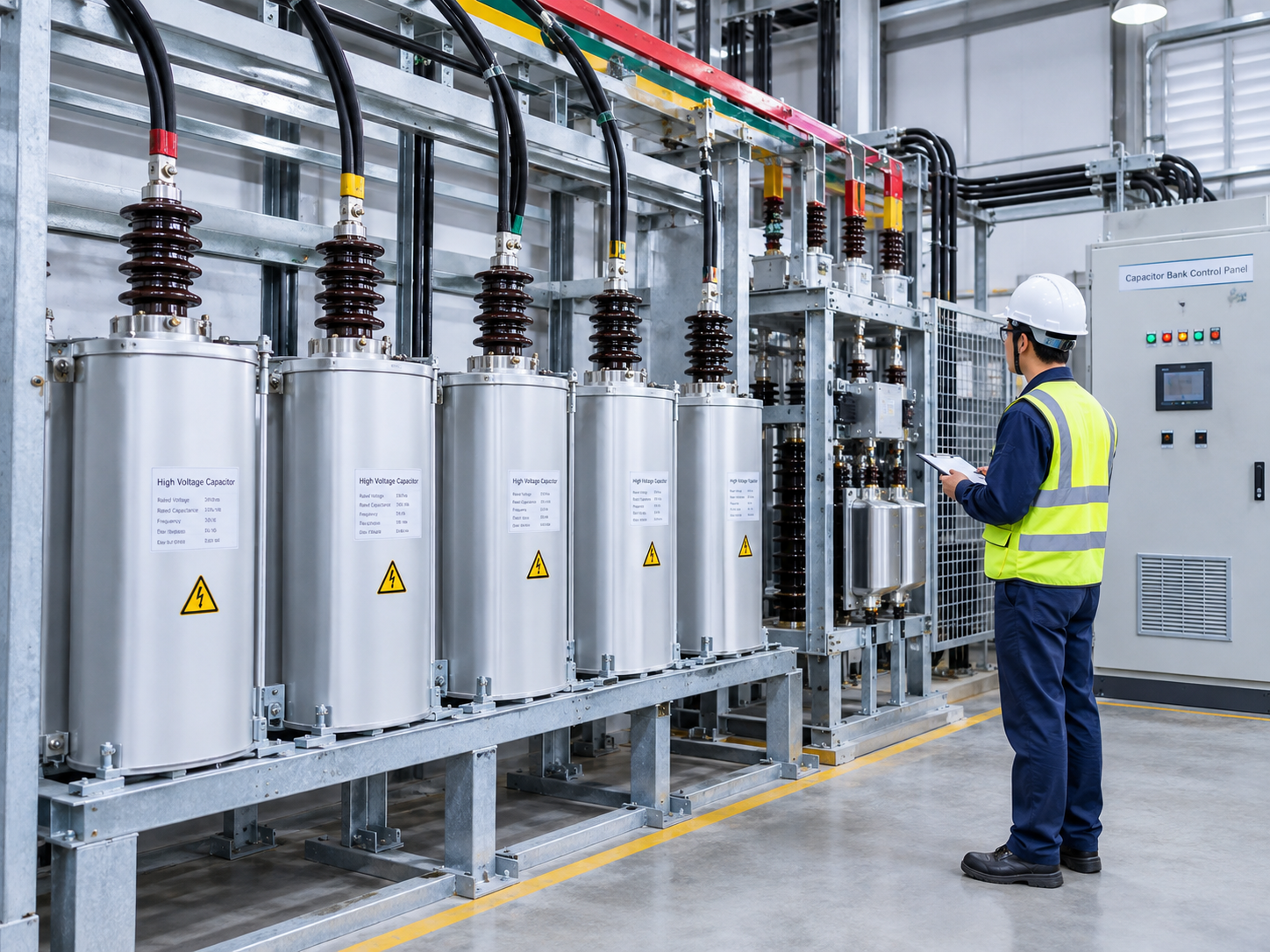
High Voltage Capacitor Units are widely used in power transmission networks, substations, industrial plants, and large electrical systems. They are commonly applied in reactive power compensation and voltage stabilization systems.
In addition, a High Voltage Capacitor Unit can be found in applications such as motor starting systems, harmonic filtering setups, and power factor correction installations.
Why Are They Important for Power Systems
A High Voltage Capacitor Unit helps improve power quality by reducing losses and maintaining voltage levels within acceptable ranges. It supports efficient energy distribution and reduces strain on the electrical infrastructure.
By using a High Voltage Capacitor Unit, systems can operate more efficiently, with improved stability and reduced energy waste.
How Is a High Voltage Capacitor Unit Manufactured
Manufacturing a High Voltage Capacitor Unit involves precision assembly of capacitor elements, insulation processing, and encapsulation. The dielectric materials are carefully treated to ensure consistent performance under high voltage conditions.
Each High Voltage Capacitor Unit undergoes controlled assembly processes to maintain uniform spacing, insulation quality, and electrical reliability.
What Materials Are Commonly Used
The construction of a High Voltage Capacitor Unit typically includes dielectric films, conductive foils, insulating oils or gases, and robust outer casings. These materials are selected for their dielectric strength and thermal stability.
The materials used in a High Voltage Capacitor Unit must withstand high electric fields while maintaining long-term durability.
How Is Safety Ensured in Operation
Safety is a critical consideration in the use of a High Voltage Capacitor Unit. Protective mechanisms such as internal fuses, pressure relief systems, and insulation barriers are often integrated into the design.
Proper installation and maintenance of a High Voltage Capacitor Unit help prevent electrical faults and ensure safe operation within high-voltage environments.
What Factors Affect Performance and Lifespan
The performance of a High Voltage Capacitor Unit depends on operating temperature, voltage levels, load conditions, and environmental exposure. Overloading or improper usage can reduce lifespan.
Regular monitoring and controlled operating conditions help maintain the efficiency and durability of a High Voltage Capacitor Unit over time.
How Is Maintenance Typically Performed
Maintenance of a High Voltage Capacitor Unit includes visual inspections, insulation testing, and performance monitoring. Technicians check for signs of wear, leakage, or electrical imbalance.
Routine maintenance ensures that the High Voltage Capacitor Unit continues to operate reliably and safely within the power system.
What Defines a Reliable Capacitor Unit
A reliable High Voltage Capacitor Unit is characterized by stable performance, strong insulation, efficient energy storage, and resistance to environmental stress.
Consistency in design and manufacturing processes ensures that each High Voltage Capacitor Unit meets operational requirements and supports long-term system stability.
For more technical information on High Voltage Capacitor Unit applications and system integration, explore further resources to understand how these components contribute to modern power infrastructure.
Recommended Products
The variety of models, to meet the development needs of various regions in the world.
Copyright © Shanghai Yongjin Electric Technology Co.,Ltd.

China Power Quality Solutions Supplier