


 English
 中文简体
中文简体 русский
 Español
 عربى
عربى
Industry News
How Temperature Affects the Performance of a Low Voltage Capacitor
A capacitor may look like a small part inside an electrical system, yet its working condition often changes with the surrounding environment. Temperature can rise because of nearby devices, blocked airflow, enclosed cabinets, long operating hours, or seasonal weather changes. In many places, the component keeps working while heat slowly builds up around it, so the influence is not always easy to notice at the beginning.
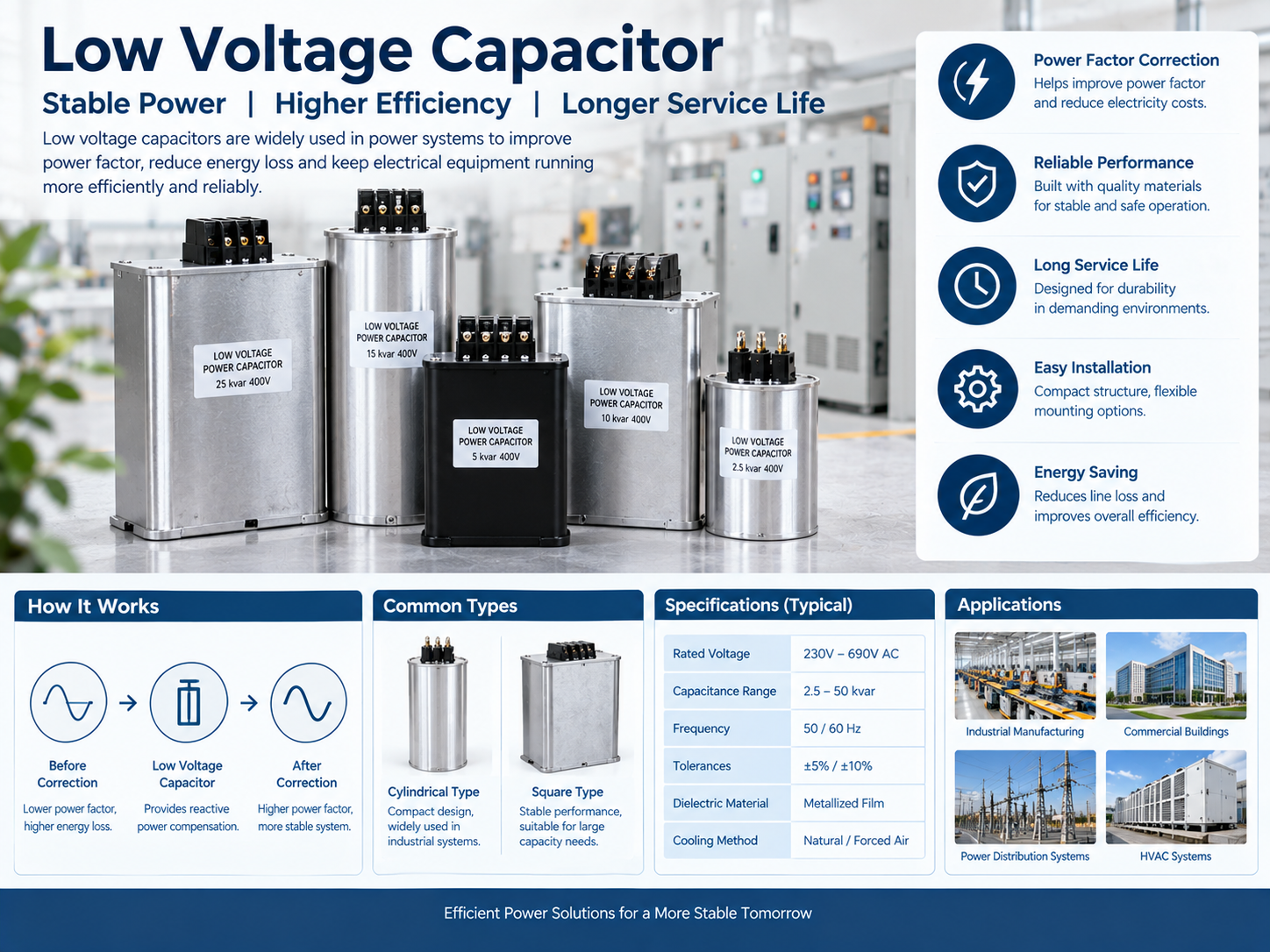
A Low Voltage Capacitor is often installed in control boxes, power equipment, lighting systems, and other electrical setups that need steady operation. Temperature changes around those systems can affect the way the component behaves during daily use. In a warm space, internal parts may stay under pressure for longer periods. In a colder place, materials may react differently when the system starts running. Small changes like that can shape the stability of the whole circuit.
A temperature issue rarely appears as one sudden fault. It usually begins with small signs, such as a cabinet feeling warmer than usual, ventilation space getting blocked, or the equipment taking longer to settle into normal working condition. Paying attention to those details often helps reduce later problems.
How Does Temperature Influence Capacitor Operation?
What Happens When A Capacitor Sits In A Hot Space?
Heat around electrical equipment does more than make the outer surface feel warm. It changes the working condition inside the component as well. When a capacitor stays near heat-producing devices or inside a cabinet with poor air movement, the temperature around it may continue to rise during operation.
That extra heat can make the internal materials work harder. Insulation layers, film structure, and connection points all respond to the surrounding condition. If the heat remains for a long time, the part may not behave in the same way it would in a cooler, better ventilated area.
Common situations that raise temperature around a capacitor include:
- installation inside a tight control box
- placement near motors or other heat sources
- dust blocking air channels
- continuous operation without enough cooling space
A small cabinet in a workshop may seem harmless at first. After repeated use, the heat inside that space can build up faster than expected. A component placed too close to another warm part may face more stress than one installed with enough room around it.
What Changes In Cold Conditions?
Cold weather brings a different kind of pressure. Materials may become less responsive when the surrounding air stays low for long periods. A component can still function, though startup and early operation may not feel the same as in a milder environment.
In outdoor settings, a Low Voltage Capacitor may go through cold mornings and warmer daytime conditions in the same installation spot. That daily change can matter when the equipment starts, stops, and starts again. Repeated movement between cold and warm conditions may affect how materials settle during use.
Some practical signs of temperature stress in colder places include:
- slower response at startup
- different performance during early operation
- more noticeable change when the weather shifts
- uneven behavior between indoor and outdoor equipment
A system in a sheltered room usually faces fewer of those issues. Outdoor or semi-open installations need more attention because the surrounding air changes more often.
Why Does Heat Build-Up Matter In Everyday Use?
Electrical equipment often works fine during short testing. Trouble may appear later, after the system has been running for a while. Heat accumulation is one of the reasons. When air cannot move freely around the component, temperature stays trapped longer.
That matters in daily work because a Low Voltage Capacitor may be used as part of equipment that runs for long periods. A cabinet in a commercial building, a device in a production area, or a unit inside a service space can all face the same problem. Heat does not leave the space quickly enough, and the part keeps working under less comfortable conditions.
| Working Condition | Practical Effect |
|---|---|
| Open space around equipment | Heat moves away more easily |
| Tight enclosure | Heat stays around the part longer |
| Nearby heat source | Extra stress on internal materials |
| Clean airflow path | More stable daily operation |
The problem is not always visible from outside. A component may continue operating while its internal condition slowly changes. That is why installation space and airflow deserve attention from the beginning.
How Does Material Structure Respond To Temperature?
Why Does Material Choice Matter So Much?
Different internal materials react differently when temperature shifts. Some handle heat better. Some respond more noticeably to cold. The structure inside a capacitor decides how well it can maintain normal performance under changing conditions.
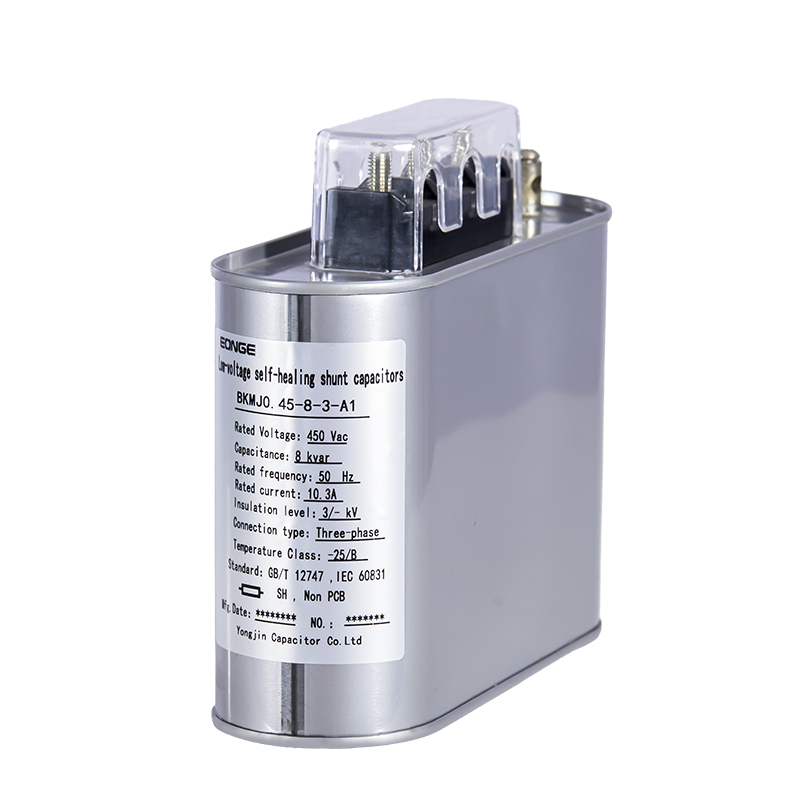
A Low Voltage Film Capacitor uses film-based material inside its structure. That film layer influences how the component behaves when temperature rises or falls. In a clean, stable environment, the part may keep steady operation with fewer changes. In a hotter or colder setting, the material response becomes more important.
For real use, the question is not only whether the component can work. The more useful question is whether it can keep working in a way that remains steady through daily temperature changes.
How Do Installation Conditions Shape Temperature Impact?
Practical factors worth checking before installation include:
- distance from heat-producing parts
- space for air movement
- condition of nearby surfaces
- exposure to outdoor weather or enclosed heat
- frequency of equipment operation
A small change in installation position can make a noticeable difference later. Moving the part a little farther from another warm component may help the whole system stay calmer during use.
When temperature is part of the operating environment, placement becomes just as important as electrical connection.
Why Do Installation Conditions Matter?
A capacitor often sits inside a panel, cabinet, or equipment compartment where air does not move very freely. In that kind of space, temperature builds up quietly. The part itself may still look normal from the outside, while internal heat keeps collecting during operation.
Crowded wiring, nearby heat sources, and dust around ventilation areas can all change the condition around a Low Voltage Capacitor. A space that felt acceptable during installation may become warmer after the equipment has been running for a while. That difference matters because small rises in temperature often stay hidden until performance starts to change.
Practical points usually worth checking include:
- space around the component
- clearance near heat-producing parts
- open airflow paths
- dust around vents and covers
- cabinet size compared with the amount of equipment inside
A panel that stays tightly packed may hold heat for longer. Once heat has nowhere to move, surrounding parts begin working under more pressure. In daily use, that can make the whole electrical setup feel less steady than expected.
How Do Seasonal And Environmental Changes Influence Operation?
Temperature does not stay fixed. A workshop may feel warm in the afternoon and cooler later in the day. Outdoor equipment faces larger changes, especially when weather shifts or when a machine operates across different times of day.
A Low Voltage Film Capacitor placed in an outdoor or semi-open area may see more temperature movement than one kept in a stable indoor room. Morning coolness, midday heat, and evening cooling all affect the surroundings. Repeated changes like that can matter as much as one high-temperature period.
Common situations that create extra temperature movement:
- equipment installed near doors or windows
- systems placed close to open-air work areas
- panels exposed to seasonal weather changes
- machines running for long periods without enough cooling space
A capacitor may continue working through those changes, though its condition over time depends on how well the environment suits it. A sheltered room gives more stable conditions. Open locations need more attention because temperature changes happen more often and with less warning.
What Maintenance Practices Help Manage Temperature Effects?
How Can Temperature Conditions Be Monitored?
Regular checks do not need special tools every time. A quick look at the panel, the airflow path, and the nearby equipment often gives enough information to notice whether something has changed.
Useful signs include:
- cabinet feeling warmer than before
- dust collecting around vents
- equipment restarting after heating up
- nearby parts producing extra warmth
- airflow becoming weaker after layout changes
Maintenance teams often notice temperature problems through routine work rather than through one sudden failure. A cabinet that used to stay cool may begin holding heat longer after another machine is installed nearby. A filter or vent that was clear earlier may become blocked with dust later on.
Looking at the whole installation area usually gives a clearer picture than checking one part in isolation.
Why Is Proper Installation Important?
Where the component sits matters almost as much as what the component is. A capacitor placed too close to a warm machine or squeezed into a tight section of a cabinet may face heat stress from the start.
Simple installation habits can help:
- leave room for air movement
- keep distance from heat sources
- avoid stacking parts too closely
- protect the area from dust build-up
- check whether the final location matches the real working environment
A small change in placement may help the part stay in a more comfortable condition during operation. In many electrical systems, the issue is not the capacitor themselves. The issue is the space around it.
How Does Regular Inspection Help?
Inspection is useful because temperature-related wear does not always show up quickly. A component can keep running while its condition changes little by little. Regular checks make it easier to notice those changes before they become harder to handle.
During inspection, attention often goes to:
- connection points
- dust near ventilation paths
- changes in cabinet temperature
- loose parts around the mounting area
- signs of wear around nearby components
A clean and open installation area gives maintenance workers a better chance of spotting trouble early. Dust, blocked vents, and hidden heat buildup all become easier to miss when the equipment is packed too tightly.
How Can Capacitor Selection Match Different Temperature Conditions?
Considering Application Environment Before Selection
Selection should start with the real working area, not only the electrical need. A component used in a control box inside a room faces another kind of condition from one installed near outdoor machinery or in a warm industrial area.
Before choosing a Low Voltage Capacitor, common questions include:
- How warm does the area become during use?
- Does the equipment run for long periods?
- Is the cabinet open, closed, or partly ventilated?
- Are other heat sources nearby?
- Does the location change with the season?
Those questions help match the part with the environment instead of forcing it into a condition it was not meant to handle for long periods.
Balancing Performance Requirements And Operating Conditions
A suitable capacitor is not only about electrical function. Temperature behavior also matters because operating conditions change from one place to another. A part that works well in a cooler indoor cabinet may need different consideration in a warm panel with limited airflow.
| Condition | Practical Meaning |
|---|---|
| Stable indoor space | Easier heat control |
| Tight cabinet | Heat stays longer |
| Outdoor installation | More temperature movement |
| Well-ventilated area | More comfortable operation |
A Low Voltage Film Capacitor may be chosen when film structure and environmental response need to fit the application more closely. In every case, temperature, installation, and operating pattern need to be considered together.
What Factors Should Be Considered In Future Capacitor Applications?
How Does Energy Use Influence Heat Management?
Heat usually appears where electrical energy is not fully used in the way people want. That is why energy use and temperature control stay connected. A system that produces less extra heat often gives nearby components a calmer working condition.
Practical steps often include:
- avoiding unnecessary load near the component
- keeping surrounding parts arranged neatly
- reducing blocked airflow
- checking the cabinet after longer operation periods
Better heat handling rarely comes from one large change. It usually comes from small decisions made during installation, operation, and maintenance.
Why Is Thermal Management Important In Electrical Systems?
Electrical systems keep changing. Cabinets become smaller, working periods become longer, and installation spaces vary more than before. Temperature control now sits inside many ordinary planning decisions rather than being treated as a separate topic.
For a Low Voltage Capacitor, that means one thing in practice: the surrounding environment matters every day. Material structure, installation space, seasonal changes, and regular inspection all shape how the part performs over time.
A component that stays in a calmer thermal condition usually has an easier working life, and the rest of the system tends to follow that same pattern.
Recommended Products
The variety of models, to meet the development needs of various regions in the world.
Copyright © Shanghai Yongjin Electric Technology Co.,Ltd.

China Power Quality Solutions Supplier