English
 中文简体
中文简体 русский
 Español
 عربى
عربى
Industry News
Home / News / Industry News / Why Humidity Control Matters for a High Voltage Capacitor Installation
High Voltage Capacitors appear in many parts of the power system. They correct power factor. They filter harmonics. They store energy for short-term use. They help with voltage regulation. Their role is important, but their environment is not always friendly.
Humidity is one factor that gets less attention than it should. A capacitor that works well in a dry climate may show problems in a humid one. The problems do not appear immediately. They build over time. The effects of humidity on a High Voltage Capacitor installation are gradual, but they affect reliability and service life. Understanding why humidity matters helps in designing installations that last.
Electrical insulation keeps current where it belongs. In a High Voltage Capacitor, insulation separates the internal electrodes from each other and from the outside world. Humidity changes how well that insulation performs.
Water molecules on the surface of an insulator reduce surface resistance. The water layer is not pure. It contains dissolved salts and other contaminants. Those dissolved substances make the water conductive. The conductive path allows leakage current to flow across the insulator surface.
The dielectric properties of insulation materials change with moisture absorption. Some materials absorb water into their structure. The water changes the dielectric constant and the loss factor. The insulation no longer performs as designed.
Air itself serves as insulation in some parts of a capacitor installation. Moisture in the air affects its insulating properties. High humidity lowers the breakdown voltage of air gaps. A gap that is safe in dry air may flash over in humid conditions.
The inside of a High Voltage Capacitor contains materials that are sensitive to moisture. The dielectric film or paper has pores and surfaces that can absorb water.
Absorbed water changes the dielectric properties of the film. The dielectric constant shifts. The loss tangent increases. The capacitor no longer has the same electrical characteristics as when it was dry. The changes affect how the capacitor performs in the circuit.
Water can react with the metal electrodes. Aluminum and other metals form oxides in the presence of moisture. The oxide layer can grow and change the contact resistance. In some cases, the oxide formation leads to open circuits or high resistance connections.
Partial discharge starts sooner in a moist capacitor. The presence of water creates sites where the electric field concentrates. Those sites start to discharge at lower voltages than dry areas. Partial discharge causes progressive damage to the insulation.
The external connections of a High Voltage Capacitor are exposed to the environment. Humidity affects these connections over time.
Corrosion of terminal hardware creates resistance. The corrosion products are poor conductors. The connection resistance increases. Higher resistance means more heating at the connection point. The heating can accelerate further corrosion.
Electrochemical corrosion occurs when moisture, voltage, and dissimilar metals are present. The moisture acts as an electrolyte. A small current flows between the different metals. One metal dissolves. The connection weakens.
Visible corrosion shows the problem. White deposits, green discoloration, or rust on terminals are signs that moisture has been present. The corrosion may not cause immediate failure, but it reduces the margin of safety.
AC and DC High Voltage Capacitors face different conditions when humidity is present.
DC installations see a continuous electric field in one direction. That field creates a driving force for ionic movement. Water molecules carrying dissolved ions move toward the electrodes. Over time, the ions accumulate at the electrodes. The concentration of ions changes the local field distribution.
AC installations see a reversing field. The ions move back and forth with each cycle. The net movement is less than in DC. The accumulation effect is reduced. The failure mechanisms are different.
The choice between a High Voltage AC Capacitor and a High Voltage DC Capacitor involves considering the operating environment. The same humidity level may affect AC and DC installations differently. The installation practices should reflect those differences.
| Environmental Factor | Effect on AC Capacitor | Effect on DC Capacitor |
|---|---|---|
| Surface moisture | Leakage current during both half-cycles | Leakage current, possible electrolytic effects |
| Terminal corrosion | Increased resistance and heating | Increased resistance, electrochemical migration |
| Internal moisture | Increased losses, dielectric heating | Dielectric changes, electrochemical aging |
| Partial discharge | Occurs at lower voltages | Occurs at lower voltages |
Some locations are more challenging than others for electrical equipment. Humidity does not cause problems everywhere, but in certain environments it demands attention.
Coastal areas carry a high risk. Salt in the air combines with moisture. The salt deposits on surfaces. The deposits attract more moisture. The result is a conductive layer that stays wet for long periods.
Industrial facilities have their own concerns. Cooling towers, steam lines, and wash-down areas create persistent high humidity. Some manufacturing processes release steam or water vapor. The moisture spreads through the facility and reaches equipment that was not designed for it.
Locations with daily temperature swings produce condensation. Equipment surfaces cool overnight. Warm, moist air contacts the cool surfaces. Water condenses. The condensation provides a direct path for leakage currents. The cycle repeats daily.
The long-term performance of electrical equipment depends on how well it resists environmental degradation. Humidity is one of the main drivers of that degradation.
Dielectric materials age faster in humid conditions. The chemical bonds in the insulation break down over time. The breakdown products reduce the material's electrical strength. The aging process occurs faster when moisture is present.
The combination of voltage stress and humidity creates electrochemical reactions. These reactions produce gases, acids, and other compounds. The reaction products attack the insulation from within. The progressive damage reduces the effective dielectric strength.
The partial discharge inception voltage drops as the insulation degrades. Partial discharge starts at lower voltages. Once started, the discharge causes further degradation. The cycle continues until the unit fails. The failure may come after years of gradual decline.
Several approaches keep humidity at safe levels. The right method depends on the installation site and the conditions.
Ventilation moves air through the installation space. The moving air carries moisture away. Ventilation works well in areas where the outside air is not too humid. In humid climates, ventilation may bring more moisture in than it removes.
Dehumidifiers remove moisture from the air. Refrigeration types cool the air and condense the water. Desiccant types absorb moisture onto a material. Both require power and maintenance. They provide active control.
Space heaters keep equipment surfaces above the dew point. The warm surfaces do not collect condensation. The heaters operate continuously or cycle on when humidity is high. They consume energy but provide passive protection.
Sealed enclosures prevent moisture from reaching the equipment. The enclosure has gaskets at all openings. The internal volume is sealed. The moisture level inside stays at the level present when the enclosure was closed.
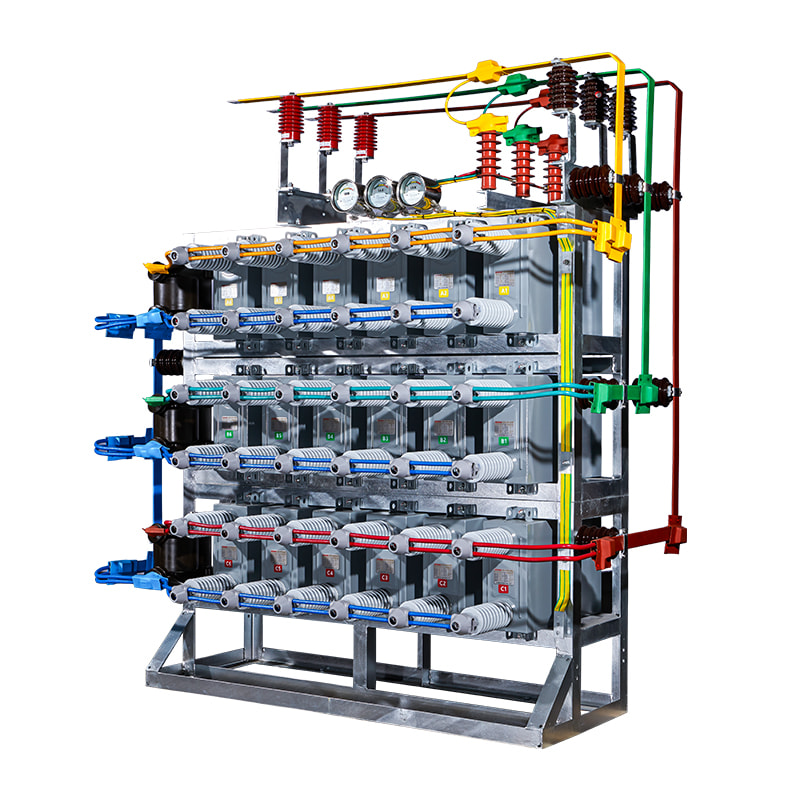
Monitoring provides information about the environment. The data supports decisions about maintenance and operation.
Relative humidity sensors measure the moisture content of the air. The sensor output is a signal that the monitoring system can read. The readings show the current humidity level. They also show trends over time.
Temperature sensors work alongside humidity sensors. The relationship between temperature and humidity affects condensation risk. The dew point temperature tells when condensation will start. Monitoring both gives a complete picture.
The monitoring system can trigger alarms. When humidity exceeds a set level, the system notifies operators. The alarm provides time to respond before conditions cause damage.
The location of the installation affects how much humidity control is needed.
Outdoor installations face direct exposure. Rain, fog, and dew contact the equipment. The enclosure must withstand the weather. The seal must keep water out. Humidity inside the enclosure remains a concern.
Indoor installations face a different environment. The building encloses the equipment. The humidity level depends on the building's HVAC system. Good climate control reduces risk. Poor control allows high humidity.
Underground installations have steady, low temperatures. The air holds less water at low temperatures. The relative humidity can be high even with little moisture. The cool surfaces may not evaporate moisture quickly.
Designing for humid conditions starts with material choice.
Insulation materials should have low moisture absorption. Some polymers absorb less water than others. The material choice affects the long-term stability of the insulation. The selection should consider the expected humidity exposure.
The design should consider terminal protection. Sealed terminals prevent moisture from entering the internal structure. The seal must last for the expected service life. Different designs offer varying levels of protection.
The protection class should match the environment. Higher ratings provide better protection against moisture and dust. The rating should be appropriate for the installation site. Over-specification increases cost without adding benefits for dry locations. Under-specification risks failure in wet environments.
The maintenance plan should include humidity-related checks. Visual inspections look for corrosion and condensation. Electrical tests measure insulation resistance. The plan provides a schedule for these checks.
The variety of models, to meet the development needs of various regions in the world.
Copyright © Shanghai Yongjin Electric Technology Co.,Ltd.

China Power Quality Solutions Supplier