


 English
 中文简体
中文简体 русский
 Español
 عربى
عربى
Industry News
What Clearance a High Voltage Capacitor Needs From Other Equipment
Electrical equipment probably isn't installed as an isolated unit very often. Inside a power system, different components need to work together while keeping enough space for operation, inspection, and maintenance. The arrangement between equipment pieces tends to influence how easily a system gets managed after installation.
A High Voltage Capacitor tends to require fairly careful planning when placed near other electrical units. Space around the equipment probably isn't only related to physical placement. It also tends to involve allowing proper access, supporting heat movement, and reducing difficulties during future maintenance.
A crowded installation area may create some challenges during daily operation. Workers may find it harder to check connections, observe equipment conditions, or perform routine tasks when surrounding components are arranged too closely together.
A few practical points tend to connect with clearance planning:
- Providing enough room for inspection work
- Keeping nearby equipment organized
- Supporting airflow around electrical components
- Allowing easier maintenance access
- Reducing unnecessary installation adjustments
Clearance requirements tend to get influenced by the environment where equipment operates. A large electrical room, a compact cabinet, and an industrial working area may all have somewhat different layout considerations. The surrounding conditions often tend to determine how much space should probably get planned.
Installation planning usually tends to begin well before equipment arrives at the site. Understanding the relationship between components tends to help create a layout that supports both current operation and future service work.
How Does Electrical Clearance Affect Equipment Arrangement?
Clearance refers to the space maintained between electrical equipment and surrounding objects. In practical installation work, the distance between components tends to affect how the system can be operated and maintained down the line.
When electrical units get arranged without enough consideration, small tasks may become somewhat more difficult. Checking equipment labels, inspecting visible parts, or reaching connection areas may require additional steps than they otherwise would.
For a High Voltage Capacitor, surrounding space tends to help create a more manageable working environment overall. The equipment needs to remain accessible, while nearby components also require enough room for their own operation.
A suitable arrangement often tends to consider a few areas:
Access Space
Maintenance workers need enough room to approach the equipment safely during inspection. A layout that leaves clear pathways tends to make routine checks a bit easier.
Equipment Separation
Different electrical components may influence each other through heat, airflow conditions, or physical limitations. Proper spacing tends to help create a more organized installation environment.
Connection Arrangement
Cable paths and connection points probably need planning before installation. A crowded layout may create unnecessary complexity when cables get installed or adjusted later.
Future Maintenance
Equipment may remain in service for a fairly long period, which makes future access an important consideration. A layout that looks convenient during installation may become somewhat difficult when inspection work is required later on.
Clearance probably connects with both installation and long-term management. The purpose likely isn't simply creating empty space, but rather creating a practical environment where equipment can function and be maintained more easily.
Which Factors Influence the Required Space Around Capacitors?
The amount of space needed around electrical equipment tends to depend on several conditions. There's probably no single arrangement that fits every installation, since different environments tend to create different requirements.
One fairly important factor is the structure of nearby equipment. Large units, control cabinets, and cable systems may all influence how components get positioned. The layout probably needs to consider the relationship between all parts rather than focusing on one device alone.
The working environment also tends to affect planning.
A few important factors include:
- Surrounding equipment layout
- Room ventilation conditions
- Access requirements
- Installation method
- Future maintenance plans
A compact arrangement may save space during installation, although limited access can create some difficulties later. On the other hand, excessive empty space without much planning may reduce the efficiency of the available area too.
A balanced approach tends to consider how the equipment will actually be used after installation. Engineers usually need to think about daily operation, inspection routines, and possible adjustments down the road.
The position of a capacitor within a system probably matters as well. Equipment placed near heat sources or in areas with limited airflow may require some additional attention during layout planning.
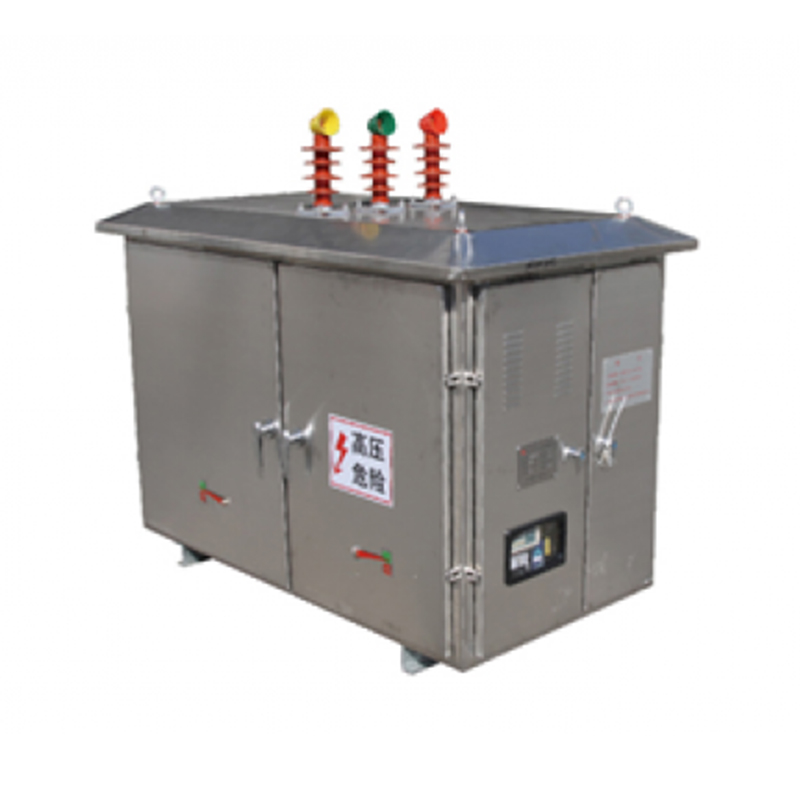
Why Does Heat Management Influence Capacitor Placement?
Heat management tends to be a fairly important part of electrical equipment arrangement. Components generate heat during operation, and surrounding conditions can influence how that heat moves away from the equipment.
A crowded installation area may limit airflow around electrical units. When equipment is placed too close together, heat may linger around certain areas longer, creating a somewhat less suitable working environment.
For capacitor installation, placement decisions often tend to consider:
Air Movement
Open areas around equipment tend to allow air to move a bit more naturally. Good airflow planning tends to help avoid unnecessary heat accumulation.
Nearby Heat Sources
Equipment that produces heat should probably get considered during layout planning. Placing sensitive components too close to heat-generating units may affect the surrounding environment somewhat.
Cabinet Arrangement
Inside electrical cabinets, component positions tend to influence how space gets used. Each part probably needs a suitable location for both operation and inspection.
Environmental Conditions
Temperature, dust, and surrounding conditions can affect equipment management over time. Installation planning should probably reflect the actual place where the equipment will operate.
Heat management probably isn't entirely separate from clearance planning. Space around equipment tends to support both physical access and environmental control together.
How Should Capacitors Be Positioned Near Other Electrical Equipment?
Proper positioning tends to require understanding how different components interact within the same working area. A capacitor probably shouldn't only fit into the available space; it should also support future operation and maintenance reasonably well.
A few practical approaches can help create a more suitable arrangement.
Keep Maintenance Paths Available
Workers need to inspect equipment fairly regularly. Clear paths around electrical units tend to make routine checks easier and reduce unnecessary movement during maintenance.
Avoid Crowded Connections
Cable connections probably require careful planning. When several cables and components get arranged too closely, later adjustments may become somewhat more complicated.
Consider Surrounding Equipment
Nearby devices can influence the available space. Layout planning should probably include all connected equipment rather than treating each unit separately.
Plan for Future Changes
Electrical systems may need adjustments during their service life. A more flexible layout tends to provide more options when modifications or inspections are required later.
A practical installation layout often tends to follow a fairly simple idea: equipment should have enough space to operate, while the overall area should remain reasonably organized.
What Installation Mistakes Can Reduce Capacitor Management Efficiency?
Many installation problems probably relate more to planning than to the equipment itself. A suitable product may still become difficult to manage when the surrounding arrangement doesn't consider daily use carefully enough.
A few common layout issues include:
- Placing Equipment Too Close Together
- Ignoring Airflow Conditions
- Making Maintenance Difficult
- Poor Cable Planning
- Overlooking Future Inspection Needs
Avoiding these issues probably requires attention during the planning stage. Small layout decisions can influence how easily equipment gets managed after installation.
How Does a High Voltage Capacitor Supplier Support Proper Application?
Selecting and installing electrical equipment usually tends to involve more than just choosing a product that matches a technical requirement on paper. The working environment, installation conditions, and future maintenance plans also tend to influence whether the equipment can be managed smoothly down the line.
A High Voltage Capacitor Supplier may provide information related to product structure, installation considerations, and usage conditions. Such information tends to help users understand how equipment fits into different applications without separating the product from the surrounding system entirely.
Communication before installation can involve a few practical points:
- Understanding the available installation space
- Checking connection requirements
- Considering surrounding equipment placement
- Reviewing maintenance conditions
- Matching equipment characteristics with the working environment
Different application areas may create fairly different layout situations. A large industrial area may have more room for equipment arrangement, while a compact electrical space may require somewhat more careful planning.
A supplier's role probably connects more with information sharing than only product delivery. Clear communication about installation conditions tends to let users prepare a more suitable arrangement before equipment enters operation.
The relationship between equipment selection and installation planning tends to be fairly closely connected. A suitable layout probably begins with understanding how the equipment will be used, where it will be placed, and how it will be maintained during daily operation.
Why Is Maintenance Space Important After Installation?
Installation work probably doesn't end once equipment gets placed into position. Electrical systems tend to require regular observation and maintenance throughout their service period, which makes access space a fairly important part of the original layout.
A narrow installation area may appear efficient during setup, yet later inspection work can become somewhat more complicated. Workers may need to check external conditions, review connections, or examine surrounding components during routine maintenance.
Reserved maintenance space can support a few daily tasks:
- Easier Equipment Inspection
- More Convenient Cleaning
- Simpler Connection Checks
- Better Working Organization
Maintenance planning probably should get considered during installation rather than added on later. Equipment that remains accessible tends to be easier to manage throughout regular operation.
How Can Engineers Plan a More Practical Capacitor Layout?
A practical electrical layout tends to require attention to both equipment needs and the conditions of the installation area. Space planning probably isn't only about leaving distance between units; it also tends to involve creating a system that supports daily management.
A few points can help during planning:
- Review the Complete Installation Area
- Consider Equipment Relationships
- Reserve Areas for Future Work
- Balance Space Use and Accessibility
| Layout Consideration | Practical Meaning | Influence On Use |
|---|---|---|
| Equipment Distance | Keeps suitable space between units | Supports easier inspection |
| Ventilation Area | Allows surrounding air movement | Helps manage heat conditions |
| Access Space | Provides room for maintenance work | Improves daily operation convenience |
| Cable Arrangement | Creates organized connection routes | Makes future checks easier |
| Installation Position | Matches surrounding equipment | Supports better system planning |
A good layout probably comes from understanding how equipment interacts with the people who operate and maintain it.
How Does Installation Environment Change Capacitor Space Requirements?
Different working environments tend to create fairly different installation challenges. Equipment placed in a clean indoor area may face quite different conditions from equipment installed near dust, moisture, or frequent mechanical activity.
Environmental factors can influence space planning in a few ways:
Indoor Conditions
Indoor electrical rooms usually tend to focus on equipment arrangement, airflow, and maintenance access. A clear layout tends to help keep inspection work organized.
Industrial Working Areas
Industrial environments may include more surrounding equipment and changing working conditions. Careful positioning tends to help separate different equipment functions.
Limited Installation Areas
Compact spaces probably require more detailed planning, since every component position tends to affect access and maintenance.
Changing Operating Conditions
Some facilities may adjust equipment arrangements over time. Flexible planning tends to let the system adapt a bit more easily.
A capacitor installation probably should match the actual environment rather than follow one fixed layout idea. Understanding the surroundings tends to help create a more practical arrangement overall.
What Should Be Checked Before Operating Installed Equipment?
Before electrical equipment begins regular operation, checking the installation condition can help confirm whether the layout actually supports normal use.
A few areas are probably worth attention:
- Whether surrounding space remains accessible
- Whether connection areas are arranged clearly
- Whether ventilation paths are available
- Whether nearby equipment affects access
- Whether maintenance routes remain open
A simple inspection before operation may help prevent unnecessary adjustments later on.
Equipment placement should probably also get reviewed from a longer-term perspective. A layout that works fine during installation may need some additional consideration once regular inspection and maintenance become part of daily work.
Proper preparation tends to create a connection between installation planning and future equipment management.
How Does Clearance Planning Influence Long-Term Equipment Management?
Space planning around electrical equipment probably affects more than just the installation process itself. It tends to influence how easily operators can inspect, maintain, and organize the system over time.
A High Voltage Capacitor tends to need a working environment where equipment placement, airflow, and maintenance access all get considered together. The surrounding layout tends to become part of the overall management process rather than a separate concern.
A High Voltage Capacitor Supplier also probably needs to consider different application conditions when providing equipment information. Understanding practical installation situations tends to help users make choices that match their working environment reasonably well.
Clearance planning probably isn't simply about leaving empty space around equipment. It tends to involve creating a connection between safety awareness, maintenance convenience, and organized system operation.
When electrical equipment gets arranged with practical space considerations in mind, daily management tends to become a bit easier. Installation decisions made at the beginning can influence how smoothly inspection, adjustment, and maintenance tasks get handled later on.
Recommended Products
The variety of models, to meet the development needs of various regions in the world.
Copyright © Shanghai Yongjin Electric Technology Co.,Ltd.

China Power Quality Solutions Supplier