


 English
 中文简体
中文简体 русский
 Español
 عربى
عربى
Industry News
Low Voltage Power Capacitor Failure Causes And Troubleshooting
Why Do Low Voltage Capacitors Fail In Power Systems?
Power systems always try to keep balance between supply and demand. Inside that balance sits reactive power control, and a low voltage capacitor quietly supports that job. When performance stays steady, current flow feels smoother across the network. Once internal condition starts shifting, small changes begin to appear in the whole system.
A low voltage capacitor works under constant electrical pressure. Current passes through internal materials again and again. Heat builds slowly, even when nothing looks unusual outside. Over time, that repeated stress leaves marks inside the structure.
Failure usually does not appear suddenly. It often grows step by step, almost unnoticed at first.
Common stress sources in daily operation:
- continuous electrical loading during long working cycles
- temperature rise caused by internal energy loss
- uneven current flow across connected lines
- insulation wear after repeated switching
- surrounding environment influence such as dust or moisture
Each factor seems small on its own. When combined over time, the internal condition becomes less stable.
How Does A Low Voltage Capacitor Work Inside Power Networks?
Inside an electrical network, a low voltage capacitor does not create energy. It helps adjust how energy moves. When inductive loads increase, current can become less balanced. The capacitor reacts by storing and releasing electrical energy in a controlled way.
That process helps reduce unnecessary current circulation and supports smoother voltage behavior.
In practical operation, the role usually appears like this:
- helping stabilize voltage levels across distribution lines
- reducing reactive current in connected circuits
- supporting smoother load transitions during operation changes
- easing pressure on transformers and cables
Electrical demand never stays fixed. Machines start and stop, lighting systems shift, industrial loads change. A capacitor sits inside that movement and helps reduce sharp fluctuations.
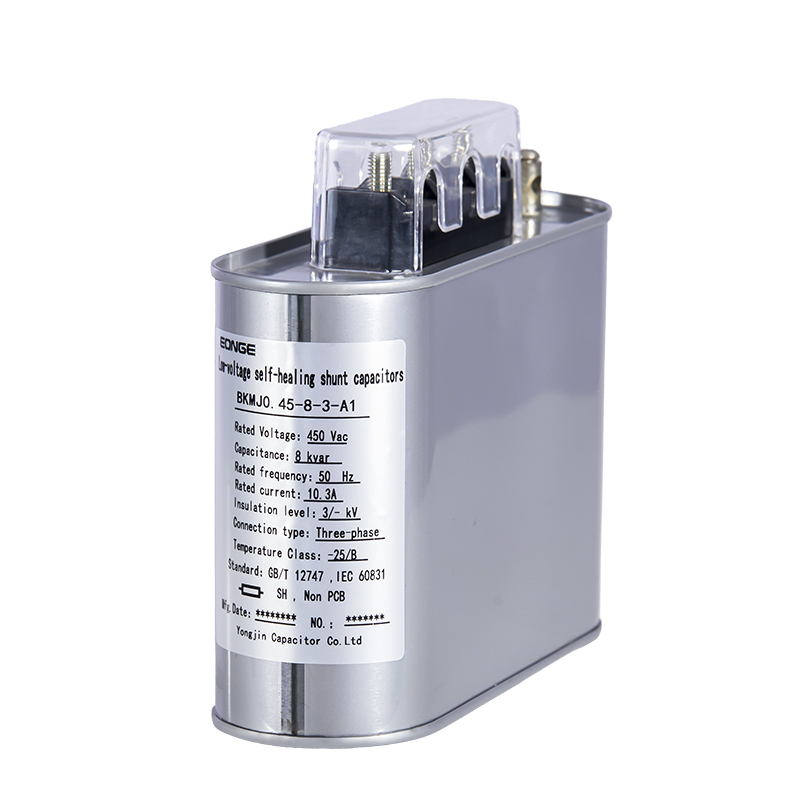
What Are Common Failure Causes Of Low Voltage Capacitor Units?
Failure inside a low voltage capacitor often connects to slow internal changes rather than a single fault. Materials inside the capacitor respond to both heat and electrical stress. Over time, that response becomes noticeable in performance.
Several common causes appear repeatedly in field conditions:
- heat accumulation inside enclosure during long operation
- continuous overload beyond stable working range
- gradual weakening of dielectric material
- aging of internal insulation layers
- environmental influence affecting terminals and casing
A simple view of how stress builds over time:
| Stress Source | Internal Change | System Effect |
|---|---|---|
| Heat buildup | material aging speed increases | stability drops |
| Electrical ripple | uneven internal stress distribution | voltage fluctuation |
| Load variation | repeated expansion and contraction | performance drift |
| External humidity | insulation weakening | leakage tendency |
None of these factors usually acts alone. Combined influence is what gradually reduces stability.
How Does A Low Voltage Capacitor Bank Operate As A System Unit?
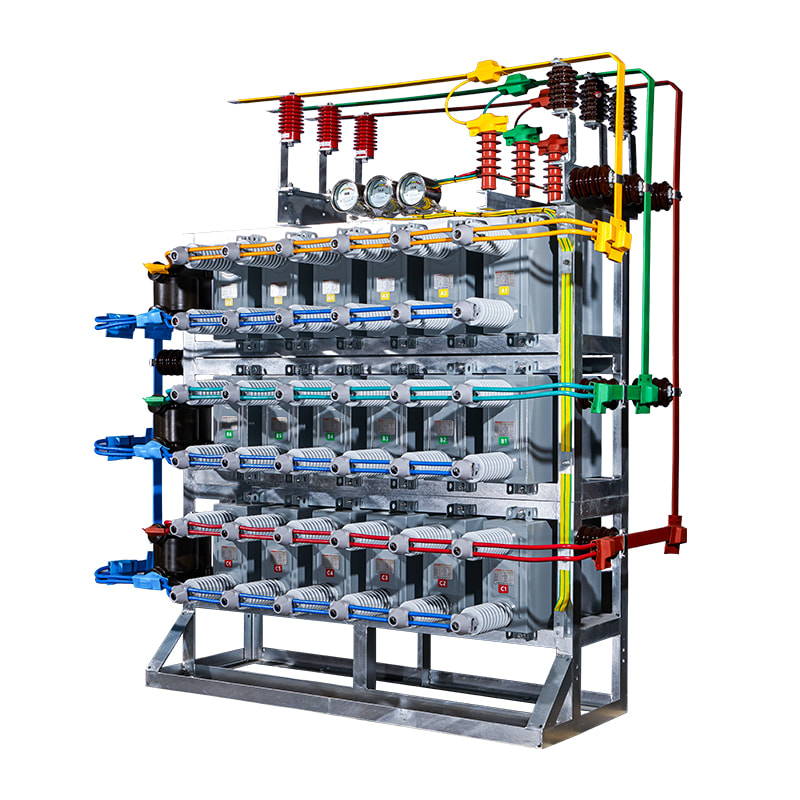
A low voltage capacitor bank connects multiple capacitor units into one coordinated structure. Instead of working individually, units share load and respond together. That arrangement helps handle larger and changing electrical demand.
Inside the bank, switching units on and off becomes part of normal operation. When load increases, more units join the circuit. When demand drops, some units disconnect. That flexible behavior helps match real system conditions.
Key operating characteristics:
- multiple capacitor units working in parallel structure
- shared reactive power compensation across modules
- switching response based on load changes
- distributed electrical stress among connected units
A capacitor bank is not only about capacity increase. It also helps reduce pressure on single components by spreading work across multiple points.
Why Does Temperature Behavior Affect Capacitor Lifespan?
Temperature inside a low voltage capacitor changes during operation. Electrical energy loss turns into heat, and that heat stays inside the structure for a period of time. Even after load decreases, cooling takes time.
Internal materials react to that cycle. Expansion happens when temperature rises. Contraction follows during cooling. Repeating that pattern slowly affects internal stability.
Temperature influence usually shows in:
- gradual change in dielectric behavior
- shifting internal resistance conditions
- variation in insulation strength over time
- mechanical stress from repeated expansion cycles
- slow reduction in overall stability
Lifespan depends on how well internal structure handles repeated thermal movement without losing balance.
What Electrical Symptoms Appear Before Capacitor Failure?
A low voltage capacitor usually does not fail in a sudden way. The system often gives small hints first, only they are easy to miss when everything still runs. Over time, those hints become more visible in how electricity behaves inside the network.
Voltage may start to feel less steady across different points. Current does not always share evenly between lines. Power factor drifts a little from its usual condition. None of these changes look dramatic at the beginning, yet they keep repeating during operation.
Typical early signals:
- small voltage swing during normal load changes
- uneven current feeling across phases
- slow shift in reactive balance behavior
- slight noise change during electrical running state
- response delay when load rises or drops
These signs often appear quietly. They build slowly, more like a pattern than a sudden fault.
How Do Low Voltage Capacitor Solutions Help Improve System Stability?
Electrical systems depend on balance. When that balance moves away from normal condition, a low voltage capacitor solution is used to pull it back into a more stable range. The idea is not to change how the system works, only to smooth the flow inside it.
When inductive load increases, current begins to shift and circulation becomes heavier. Capacitor-based solutions step in by storing and releasing energy in a controlled way, helping reduce unnecessary movement inside the line.
Main effects in practice:
- smoother reactive power distribution across circuits
- reduction of extra current flow inside cables
- calmer voltage behavior during load variation
- lighter stress on upstream equipment
- more even flow between supply and demand points
It works quietly in the background. Most of the time, nothing looks different from outside, only the internal balance feels more controlled.
What Troubleshooting Methods Are Used For Capacitor Issues?
When something feels off in a capacitor system, checking usually starts from the surface and moves inward step by step. A low voltage capacitor can show signs outside, though real changes often sit deeper inside the structure.
First look is usually visual. Any shape change, surface mark, or housing distortion can already give direction. After that, electrical testing becomes more important to understand internal behavior.
Common checking steps:
- outer inspection for swelling or surface change
- checking connection points for looseness or heat marks
- capacitance comparison with expected condition
- temperature check during normal running state
- load behavior observation under working condition
Each step gives a different piece of information. Together they help form a clearer picture of what is happening inside the unit.
How Does Installation Quality Influence Capacitor Performance?
Even a stable low voltage capacitor can behave differently depending on how it is installed. The space inside a cabinet or system panel is tight, and small differences in arrangement may affect long-term behavior.
Connection points need to stay firm. When contact is not tight enough, resistance slowly increases. That extra resistance turns into heat, and heat spreads into nearby areas. Over time, that can influence overall stability.
Things that matter during installation:
- steady and tight electrical contact points
- enough spacing between capacitor units
- clean grounding path for safety and balance
- neat layout inside capacitor bank structure
- controlled cable routing to avoid interference
Nothing here feels complicated during setup, yet small details often decide how smooth long-term operation will be.
Which Maintenance Practices Support Long Term Capacitor Operation?
A low voltage capacitor works best when its condition is checked regularly instead of only after problems appear. Maintenance is more about watching slow change than repairing sudden failure.
Dust around terminals can slowly affect contact quality. Temperature changes may hint at load imbalance. Connection points can loosen slightly after long vibration cycles. All these things develop gradually.
Simple maintenance habits:
- routine look at external condition and casing
- cleaning dust around connection areas
- observing load changes during operation periods
- checking tightness of electrical joints
- watching temperature patterns over time
Small attention done regularly often helps keep the system in a more stable condition without major interruption.
Recommended Products
The variety of models, to meet the development needs of various regions in the world.
Copyright © Shanghai Yongjin Electric Technology Co.,Ltd.

China Power Quality Solutions Supplier