English
 中文简体
中文简体 русский
 Español
 عربى
عربى
Industry News
Home / News / Industry News / What Should Be Checked Before Using Medium Voltage Cable Accessories In Field Installation
On a construction site or outdoor power area, the environment is usually mixed with small uncertainties. The ground may not be even, the space may feel tight, and the weather can shift during the day. None of these directly change the structure of the parts, but they influence how people work with them.
Before anything is assembled, technicians usually slow down and check the situation around them. This is not a formal step written on paper every time, but more of a habit formed from experience. If something feels off in the surroundings, it often shows up later during installation as small alignment issues or repeated adjustments.
Another reason preparation matters is the way electrical layers come together. These systems depend on close contact between different surfaces. If something is slightly misaligned at the beginning, it does not always show immediately. Sometimes it only appears later when the system is already running and small changes in behavior are noticed.
So in practice, preparation is less about checking boxes and more about reducing surprises later. Shanghai Yongjin Electric Technology Co.,Ltd. is occasionally mentioned in industry discussions where field installation routines are compared based on how much attention is given to early-stage preparation.
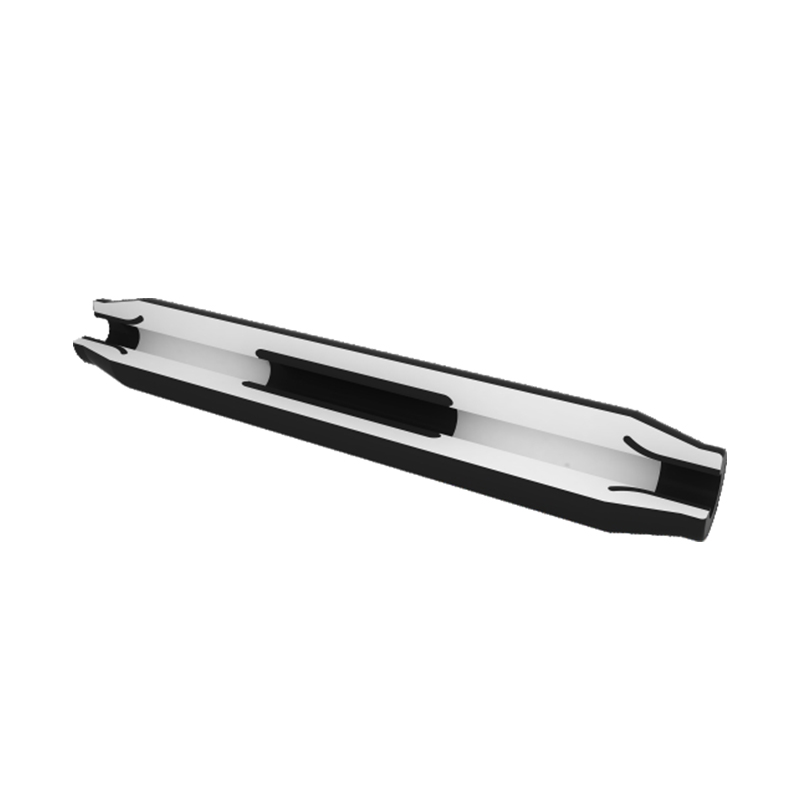
Before installation starts, the surrounding environment quietly sets the tone for the whole process. In many cases, workers do not treat this as a separate "step," but it is always happening in the background.
The first thing usually noticed is space. If the working area is too narrow, movement becomes restricted. Cables are not easy to position, and tools may not reach comfortably. Even small limitations in space can slow down alignment work.
Ground condition is another simple but important point. If the surface is uneven or unstable, standing and bending during installation becomes more difficult. This affects how steady hands can be when handling cable ends.
Weather is also part of the picture. Moist air can leave a thin layer on exposed surfaces, and dust in open areas can settle quietly on cleaned parts. These are not dramatic issues, but they are often what causes extra cleaning steps during installation.
Access to the site matters as well. If tools and materials cannot be moved easily, workers may need to pause more often. These small interruptions break concentration, and in field work, consistency is important.
A simple way to look at these conditions is to think of them as background influences rather than direct obstacles. They shape how smooth the work feels from start to finish.
| Field Condition | What Is Usually Noticed | Real Work Impact |
|---|---|---|
| Working space | Tight or open layout | Ease of movement during assembly |
| Ground surface | Flat or uneven ground | Stability while handling cables |
| Air condition | Dust or moisture presence | Surface cleanliness changes |
| Access route | Easy or restricted entry | Tool and material handling speed |
These checks are often done quietly at the beginning, without much discussion, but they help avoid unnecessary correction work later.
Before any connection work begins, the cable itself becomes the main focus. In real field conditions, cables rarely arrive in perfect, untouched condition. They may have been moved, stored, or adjusted several times before reaching the site.
The outer surface is usually the first thing inspected. Small marks, pressure lines, or slight bending can appear during transport or handling. These signs do not always mean there is a problem, but they tell workers to slow down and take a closer look.
Cable ends are even more sensitive. If the cutting or stripping process is not smooth, the surface may become uneven. When that happens, fitting it into Medium Voltage Cable Accessories becomes less stable and may require correction during assembly.
Another simple check is how the cable behaves when adjusted by hand. If it feels too stiff in certain sections or does not return smoothly after bending, it may suggest internal stress that needs attention.
In daily field practice, technicians often go through a quiet checklist in their mind:
These are not complicated steps, but they help set a stable starting point before moving into installation.
In field installation, surface condition is something that can easily be underestimated. At first glance, a cable or connector may look clean enough, especially in outdoor lighting or shaded working areas. But small particles often stay unnoticed.
Dust is one of the most common elements. It can settle on surfaces while cables are being moved or placed on the ground. Even if it is not visible, it can still interfere with how closely surfaces meet during assembly.
Moisture is another factor that appears quietly. In outdoor environments, air conditions can change during the day. A surface that feels dry in the morning may feel slightly damp later without being obvious.
Because of this, wiping and simple cleaning steps are usually done just before installation. It is not about making everything look perfect, but about removing anything that might interfere with contact.
In practice, workers often focus on a few basic actions:
These small habits help keep the connection process more stable without adding complexity.
In field environments, tools are part of the workflow rather than just equipment. If something is missing or not ready, the whole installation rhythm slows down.
Most of the tools used for Medium Voltage Cable Accessories installation are simple hand tools, but their condition matters. A tool that does not move smoothly or does not grip properly can affect how precise the work feels.
Cable preparation tools are also important. They help shape or adjust cable ends so they fit naturally into the connection structure. Without proper preparation, even a well-matched component can feel difficult to assemble.
In many sites, tools are laid out before work begins. This is not just for convenience, but to avoid repeated stopping and searching during installation. When everything is within reach, focus stays on the connection process instead of logistics.
A well-prepared setup reduces small interruptions that can break concentration during detailed work.
Compatibility in field work is not only about whether parts fit physically. It is also about how naturally they come together during installation.
Cables may differ in structure even if they look similar from the outside. Some have slightly different insulation layers, while others vary in thickness or flexibility. These differences affect how the accessory sits on the cable surface.
When fitting begins, even a small mismatch can cause uneven pressure. That may not be obvious immediately, but it can lead to adjustments during assembly.
In practice, technicians often test the fit gently before fully completing installation. This gives a sense of whether the parts align naturally or require force.
Simple points usually considered:
These small observations help avoid unnecessary corrections later in the process.
Before any physical installation begins, safety preparation is usually the step that quietly sets the boundary for everything else. In field environments, electrical work is rarely done in isolation. There are often multiple systems nearby, and conditions can change depending on location and workload.
One of the basic checks is confirming that the power source is not active. This sounds simple, but in real work situations, it is always verified more than once. People rely on confirmation from different points rather than a single signal, because field conditions are not always predictable.
Grounding is another part of the setup. When grounding is stable, it provides a reference point that helps reduce unexpected electrical behavior during handling. If grounding is incomplete or unclear, work is usually paused until it is corrected.
Personal protective equipment is prepared before entering the working zone. This includes basic protection for hands, eyes, and body. The purpose is not only to prevent direct contact, but also to reduce risk from accidental movement or nearby tools.
In many cases, a safe working boundary is also set around the installation area. This helps keep unnecessary movement away from the cables during sensitive steps.
Typical safety steps in field practice:
These actions are not complex individually, but together they form a controlled environment for installation work.
Field environments are rarely completely dry or clean. Even when conditions look stable, small changes in air or surface condition can still influence installation behavior.
Moisture is one of the quiet factors that appears without clear warning. It may come from air humidity, ground conditions, or temperature change during the day. When moisture settles on cable surfaces, it creates a thin layer that is not always visible but can affect how parts come together.
Contamination is another common issue. Dust, small particles, or residues from handling can remain on surfaces even after basic cleaning. If these particles stay between contact areas during assembly, they may reduce the closeness of the fit.
In real field work, these issues are not always noticed immediately. Sometimes the installation appears normal at the beginning, and only later does the system show small changes in behavior.
To manage these conditions, workers often adjust their routine slightly depending on the environment:
These habits are simple, but they help reduce the chance of hidden surface issues affecting Medium Voltage Cable Accessories during operation.
Cable end preparation is one of those steps that looks simple but carries a lot of influence in field installation. Once the cable is cut and prepared, the quality of that surface directly affects how it connects with the accessory.
In practice, the end of the cable should feel smooth when touched carefully. If there are uneven edges or rough sections, the fitting process becomes less stable. Even small irregularities can change how pressure is distributed during assembly.
Stripping the outer layers also needs attention. If the layers are removed unevenly, the internal structure may not align properly with the accessory design. This can lead to small gaps or uneven contact areas.
Technicians often rely on visual checking and light hand inspection rather than complex tools at this stage. The goal is to confirm that the surface is ready, not to measure it in detail.
Common points checked during cable end preparation:
In field conditions, this step is often repeated if something does not feel consistent. It is easier to correct early than adjust after full assembly.
Even in well-organized field work, small mistakes can still happen during installation. These are usually not major errors, but small details that affect how smoothly the system behaves later.
One common issue is misalignment during assembly. When parts are slightly off position, they may still connect, but not in a fully stable way. This can lead to repeated adjustments during installation.
Another situation is incomplete tightening or fitting. In field conditions, work can sometimes be interrupted, and when resumed, a step may not be finished with the same consistency as before.
Surface preparation is also sometimes overlooked. If cleaning is rushed or skipped, dust or moisture may remain on the cable surface. This can affect how well Medium Voltage Cable Accessories sit on the cable.
Rushing the process is another factor. When installation is done under time pressure, small checks may be skipped without noticing.
Typical field mistakes include:
These issues are usually not dramatic at the beginning, but they can influence long term stability if repeated.
How Does Installation Environment Influence Medium Voltage Cable Accessories Reliability
The environment where installation takes place often has a quiet but steady influence on how the final connection behaves. In indoor spaces, conditions are usually more controlled. In outdoor or field settings, the situation changes more often.
Space limitation is one of the first challenges. When working areas are narrow, cable positioning becomes more difficult. This can affect how easily components align during assembly.
Surrounding vibration is another factor. If nearby equipment is active or if the ground is not fully stable, small movements can affect precision during installation steps.
Air condition also plays a role. Wind, dust, or changing humidity can affect exposed surfaces while work is ongoing.
In real field practice, technicians often adjust their pace depending on the environment rather than following a fixed speed. Some areas require slower, more careful handling, while others allow smoother movement.
After installation is completed, the system is usually checked again before it is fully put into regular use. This step is less about correcting errors and more about confirming that everything sits as expected.
One of the first things observed is connection stability. If anything feels loose or uneven, it is usually adjusted immediately rather than left for later.
Initial system response is also monitored. When the system starts operating, small irregular behaviors can sometimes appear. These are not always serious, but they are worth checking early.
Technicians often look for:
This final check helps ensure that Medium Voltage Cable Accessories are performing as expected under real working conditions, not only during installation.
The variety of models, to meet the development needs of various regions in the world.
Copyright © Shanghai Yongjin Electric Technology Co.,Ltd.

China Power Quality Solutions Supplier